When the federal government announced that history would be reinstated as a compulsory subject in schools, it sounded like more than just a classroom decision. To many, it seemed like a chance to rebuild Nigeria’s fractured sense of identity and to teach the next generation what it truly means to love their country.
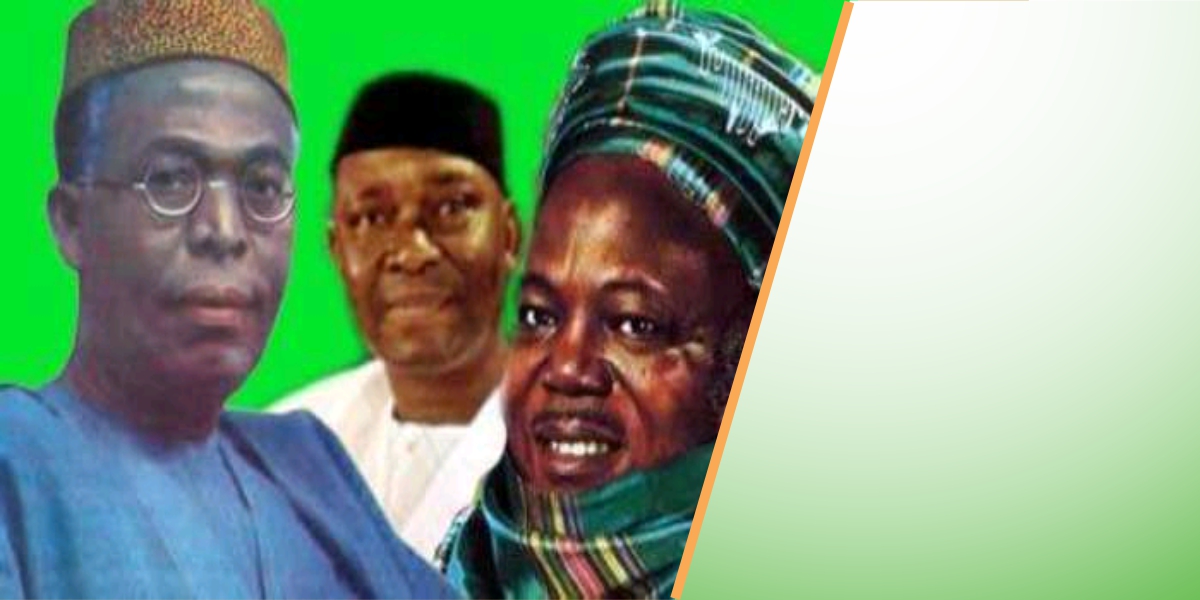
For years, pupils in primary and secondary schools passed through without being taught their own story. Many could list American presidents or European capitals, but struggled to explain how Nigeria gained independence in 1960, or why leaders like Nnamdi Azikiwe, Obafemi Awolowo, and Ahmadu Bello were significant. Experts say this gap has weakened patriotism.
“When you remove history, you remove memory. Furthermore, when you remove memory, you remove identity,” said Professor Grace Nnamani, a historian at the University of Nigeria, Nsukka. “This is one reason many young Nigerians see the country only through tribal or religious lines. They do not see the whole picture.”
Now, that picture may begin to change. Under the new plan, children from Primary 1 to JSS 3 will learn about Nigeria’s heroes, kingdoms, cultures, colonial past, and independence journey. Senior secondary students will also take a new subject called Civic and Heritage Studies, which mixes history with civic education.
Policy experts believe this could help build unity in a country struggling with mistrust and division. Dr Mohammed Adamu, an Abuja-based analyst, explained it this way: “If a Hausa child learns about Awolowo and a Yoruba child learns about Ahmadu Bello, we create respect across ethnic lines. That is how patriotism is built—not with slogans but with knowledge.”
Parents are hopeful, too. In Ibadan, Mrs Aisha Lawal said she was relieved that her daughter would finally learn about Nigerian heroines. “Children today know TikTok stars more than they know Queen Amina or Funmilayo Ransome-Kuti. If they do not know their heroes, how will they respect their country?” she asked.
Other countries show why history matters. In South Africa, schools use history to teach young people about the pain of apartheid and the importance of reconciliation. In Germany, every child learns about World War II and the Holocaust, shaping them to reject hate and extremism. Ghana also made history in 2019 by preserving national pride. Nigeria is now following the same path.
Nevertheless, there are challenges. Teachers will need retraining, and textbooks will require updates. “If history is taught wrongly or in a biased way, it can cause more division instead of unity,” warned Mrs Bisi Ogunyemi, a school principal in Lagos.
Still, many believe the reform is the right step. It is not just about facts and dates, but about giving children a sense of belonging and a sense of duty.
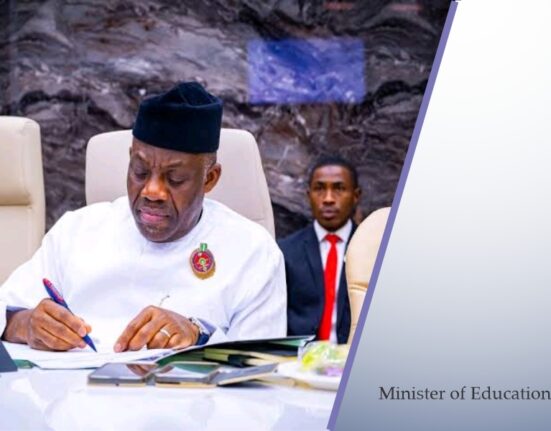
As Education Minister, Dr Tunji Alausa, summed it up: “History is not just about yesterday. It is the foundation for tomorrow.”