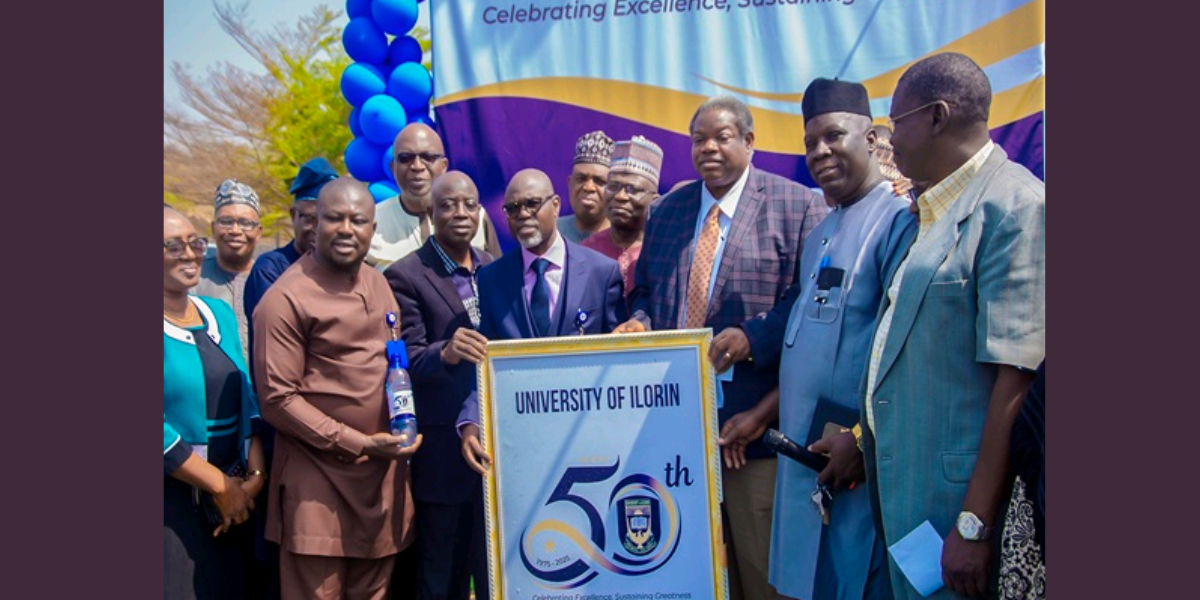
University of Ilorin’s 50th anniversary celebration
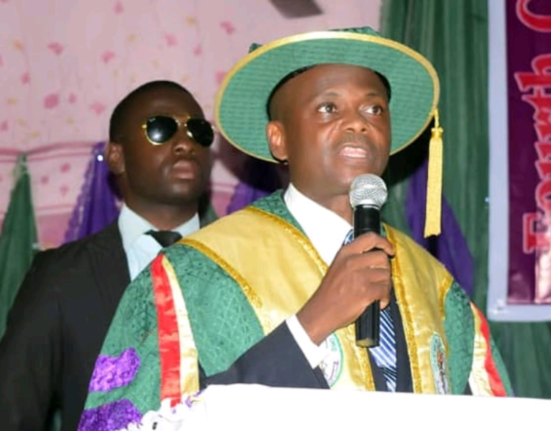
At the University of Ilorin’s 50th anniversary celebration, the conversation moved far beyond history and achievement. It shifted into a deeper question—what does it truly mean to decolonise African education today? For many scholars and stakeholders, including renowned Pan-African thinker Prof. Patrick Lumumba, the answer lies in rebuilding the African university from the inside out.
In a bid to drive this awakening, Lumumba told academics and policymakers that Africa cannot rise if its universities continue to operate with borrowed thinking. From outdated curricula to colonial teaching methods that prioritise European theories over African realities, he argued that the continent’s learning system still carries the weight of its past.
“Africa will only rise when her scholars and institutions are respected and well-funded,” he said, reminding Nigerians that while the nation exports some of the world’s brightest engineers and professors, its universities remain trapped in insufficient funding and colonial structures.
At the centre of decolonisation is the curriculum itself. Many African universities still teach social, economic, and scientific frameworks developed for European societies. Experts argue that this disconnect produces graduates who understand Western problems more than the very issues affecting their own communities.
However, the tide is changing.
At Unilorin, the push for an Afrocentric model is already taking shape. Lumumba praised the school’s agricultural expansion—including its 15,000-hectare project, Jatropha and Teak farms—as a practical example of universities designing solutions that match local needs. “I look forward to the day when Unilorin’s engineers will solve Africa’s problems,” he said.
Other institutions across the continent are joining the movement. Some are redesigning courses to include indigenous knowledge systems, local innovations, African political thought, and community-driven research. The goal is simple: produce graduates who can confront Africa’s challenges in food security, technology, governance, and healthcare with homegrown intelligence.
Stakeholders insist that decolonising education is not about rejecting global knowledge but adapting it to local relevance. It means teaching engineering students how to solve Nigeria’s electricity problems, or training agricultural students to boost food production rather than importing rice and poultry.
The new battle is clear—African universities must evolve from being mirrors of past colonial legacies to engines of African progress. Moreover, as voices like Lumumba’s grow louder, the message of decolonisation becomes unmistakable: Africa cannot develop with a borrowed mind; it must think for itself.