Amid growing concerns about the falling standards of Nigerian universities and the widening gap in global academic rankings, some of the country’s top university leaders gathered last week in Lagos to chart a new course for tertiary education.
The event was a tertiary education summit held during the 2025 Nigerian International Book Fair. The broad theme of the summit was “Overcoming the Global Competitiveness Challenge in our Tertiary Education Landscape,”. Many participants agreed that this summit could not have come at a better time, given the compelling need to draw attention to the myriad of challenges confronting the Nigerian tertiary education system.
Nigerian universities face numerous challenges, including poor infrastructure and low research output.
All the Vice Chancellors at the summit did not mince words as they discussed the quality of teaching across the country. They insisted that a lack of innovation and brain drain were key factors that challenged the quality of teaching on Nigerian campuses.
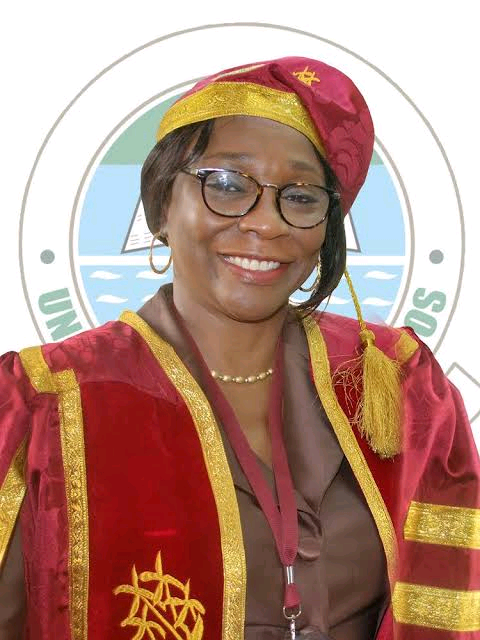
A key highlight of the summit was a speech by Professor Folasade Ogunsola, Vice Chancellor of the University of Lagos, in which she lamented that many Nigerian lecturers still rely on outdated methods and textbooks, making it difficult for graduates to compete globally. “We are still using lecture notes from the 1990s in some departments,” she said. “Meanwhile, the world has moved on to artificial intelligence and virtual laboratories.”
Her counterpart at Pan-Atlantic University, Professor Enase Okonedo, stressed the urgent need for strong university-industry partnerships. “Our curriculum must match the needs of the modern job market. We need more internships, real-world learning, and mentorship from the private sector,” she noted.
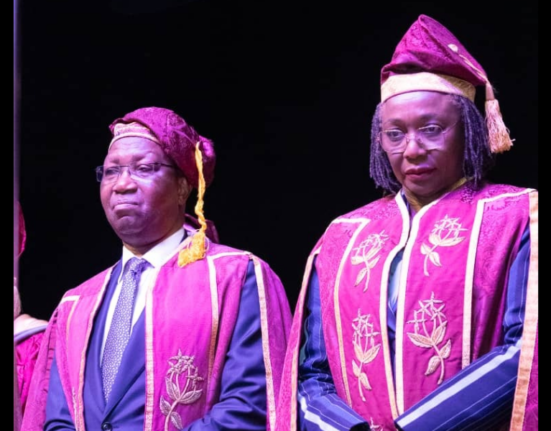
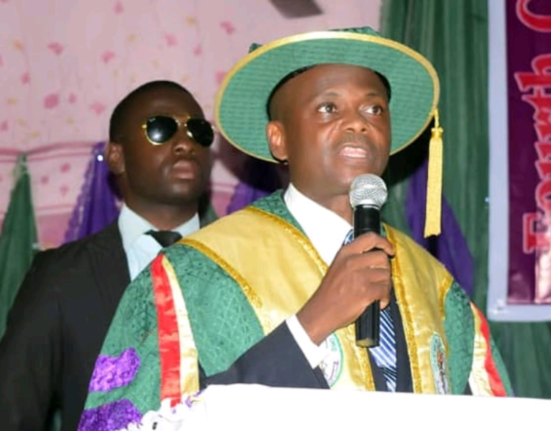
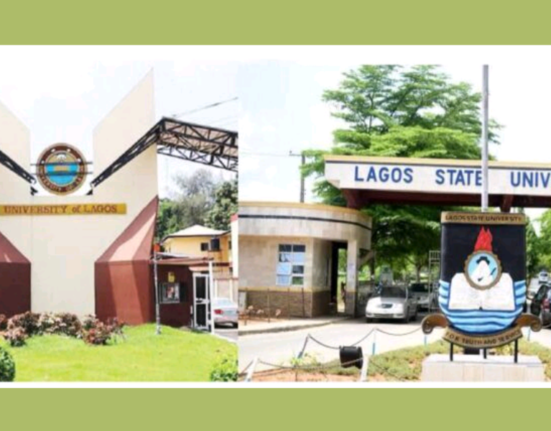
Also at the summit were VCs from Lagos State University, Mountain Top University, LASUSTECH, and Yaba College of Technology, who all agreed that Nigeria’s education sector must innovate or risk becoming irrelevant in the digital age.
Prof. Hope Eghagha, who moderated the session, challenged government and education stakeholders to take bold steps. “Without serious investment and reform, we will continue to play catch-up in global rankings,” he warned.
The Minister of Education, Dr Tunji Alausa, and other top officials from the ministries of Industry, Trade, and Investment also lent their voices to the discussions, promising more support for local content in educational materials and funding.
On the last day of the summit, as participants concluded the various interactive sessions, one thing was uppermost in their minds: the time for talk was over, and swift, sustained, and decisive actions needed to be taken to reposition Nigerian tertiary education and make it more globally relevant and competitive.
For now, the Vice Chancellors must be commended for taking the first step in that direction. However, they must not stop there. Their commitment and dedication to change must resonate not only in the summit hall but also on their various campuses across the country.