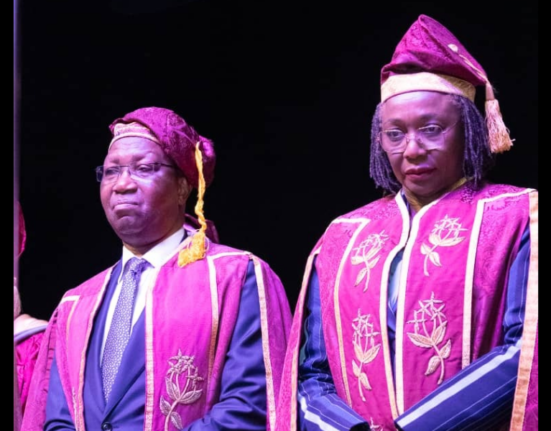
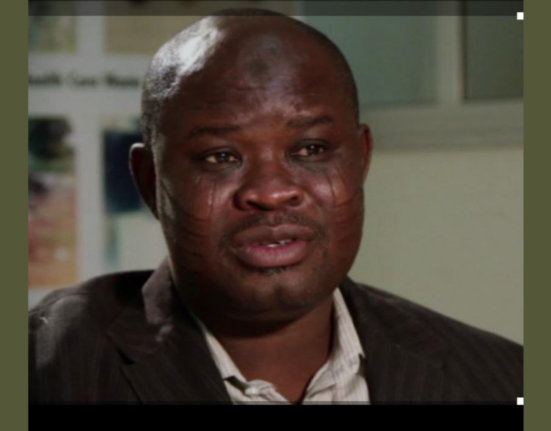
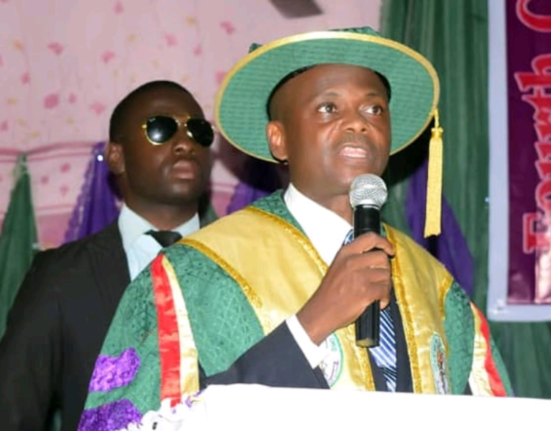
Governor Siminalayi Fubara (right) and House Speaker Martin Amaewhule, of Rivers State
The war of words between Governor Siminalayi Fubara and Speaker Martin Amaewhule may look like another routine political tussle in Rivers State, but beneath the loud exchanges lies a quiet tragedy—thousands of children learning inside broken classrooms while politicians trade blame. The state’s education crisis has now become a battlefield where power, loyalty and political narratives collide, leaving pupils as the unseen victims.
Governor Fubara’s recent promise to allocate the highest share to education in the 2026 budget comes amid a viral video that has further exposed the rot in public schools. From collapsing classrooms and bushy compounds to schools without toilets, electricity or security, the situation is a heavy indictment of successive administrations. The governor openly admitted this, insisting that the decay “did not start today” and that it was weaponised during the 2023 elections. Education, instead of being a social good, had become a political tool.
Nevertheless, Speaker Amaewhule’s counter-attack paints a darker picture. His description of one teacher handling two classes in the same room, children learning beside the PHED headquarters without basic facilities, and even pedestrians being invited to teach due to a lack of staff, paints a picture of a system on life support. He blames abandonment and failure of relevant agencies, accusing the state government of turning a blind eye despite “repeated interventions.”
Education experts say what is playing out is deeper than political disagreement—it is the result of long-standing structural neglect mixed with present-day political rivalry. A Port Harcourt-based education analyst, Dr Bola Nwoke, argues that “when politics becomes louder than governance, schools always suffer first.” She notes that teacher shortages and infrastructural decay did not begin under the current administration, but political tensions have slowed down coordinated solutions.
Stakeholders also question the stalled recruitment of 10,000 workers. While the governor says recruitment will be based strictly on state needs, the Speaker insists the delay reflects a lack of political will, especially with claims that over ₦600 billion was left in state coffers.
Traditional rulers, who recently received praise from the governor for calming political tensions, remain some of the few voices calling for unity. They warn that unless political actors drop their swords, the children of Rivers State will continue to pay the price.
However, beyond the apparent politics-induced exchange between the speaker and governor, the real question remains unanswered: Will politics continue to overshadow pupils, or will this crisis force a long-overdue return to responsible governance?