If you walk into many Nigerian classrooms Today, you will see students who can name foreign countries and celebrities. However, ask them to discuss Nigerian heroes or significant events in the country’s history, and many will struggle to find something to say.
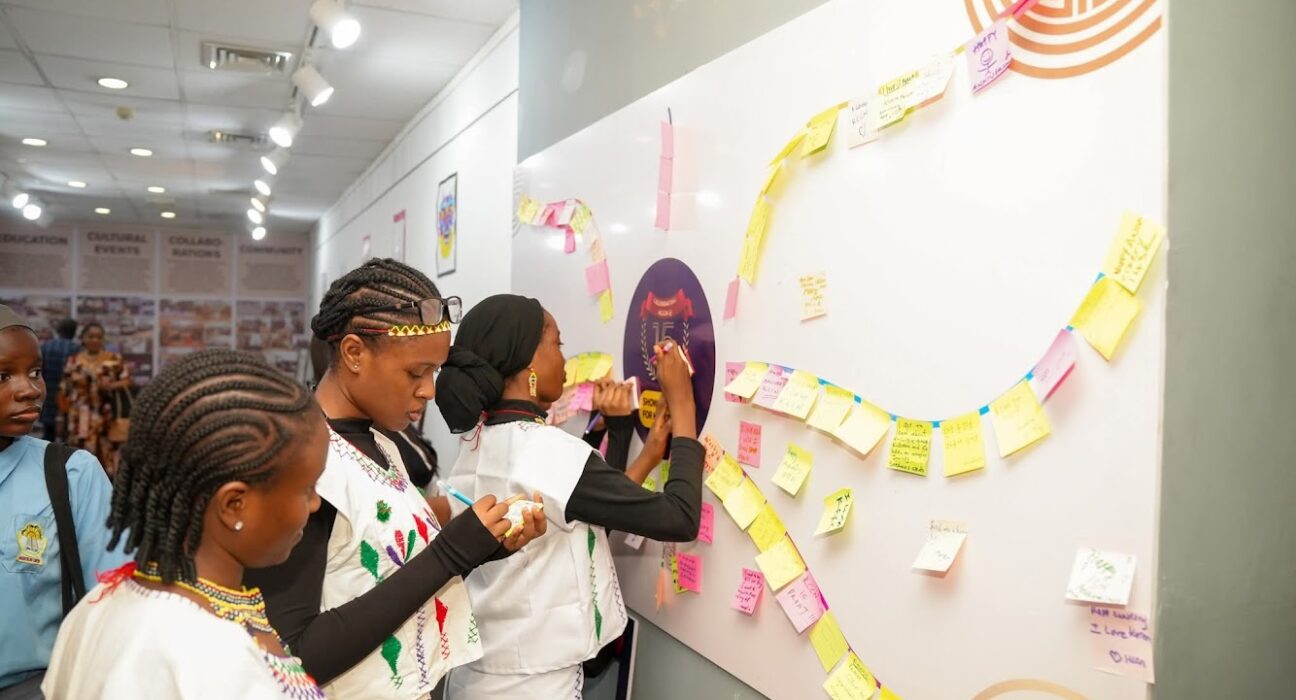
This is the problem that a group called Youth Orientation for Development (YOD) and the Korean Cultural Centre Nigeria (KCCN) are trying to fix. At an event in Abuja to mark the 2025 UNESCO World Day for Cultural Diversity, both groups urged the government to incorporate more culture and history into school lessons.
According to Ambassador Emmanuel Ejiogu, the president of YOD, not teaching children about their culture and history is causing many young Nigerians to lose their sense of identity. He said, “Our culture is our identity. If we do not know it, we will not be proud of where we come from.”
Ejiogu believes that this lack of cultural knowledge is one reason why many Nigerian youths are less patriotic than their peers in other countries. “When students do not learn about their past, they do not feel connected to their country. They may even value foreign cultures more than their own,” he said.
Years ago, the government removed history from school curricula. Although it has now been reintroduced, it is still not taught effectively in many schools. Experts say that this has led many young Nigerians to lose interest in their heritage and their country.
Ejiogu is asking the government to support cultural and historical programmes in schools. He wants schools to organise workshops, discussions, and cultural events to help students understand the importance of Nigerian culture and history.
At the same event, Yunijin Lee, the Culture and Events Officer at the Korean Cultural Centre, explained how the centre has helped Nigerian students learn about Korean culture. For over 15 years, they have hosted painting sessions, school visits, and language classes.
Nevertheless, she added that the goal is not just to teach Korean culture. “We also want Nigerian students to value and learn about their own culture. That is the real meaning of cultural exchange,” she said.
Jennifer Ezeonyeasi, who works with KCCN as the Cultural Events and Communications Officer, discussed other projects. She said the centre has signed agreements with media houses like AIT and has worked with the National Council for Arts and Culture to promote Nigerian traditions. They also organise youth camps and sports events, such as the Ambassador’s Cup in taekwondo, which gives young people a chance to shine.
Ejiogu and others are requesting additional support from both the government and the private sector to sustain these efforts. They believe that when students learn about their history and culture, they will develop into proud and responsible citizens.
The message is simple: If we want Nigeria to have a brighter future, we must teach our children to understand and love their past.