


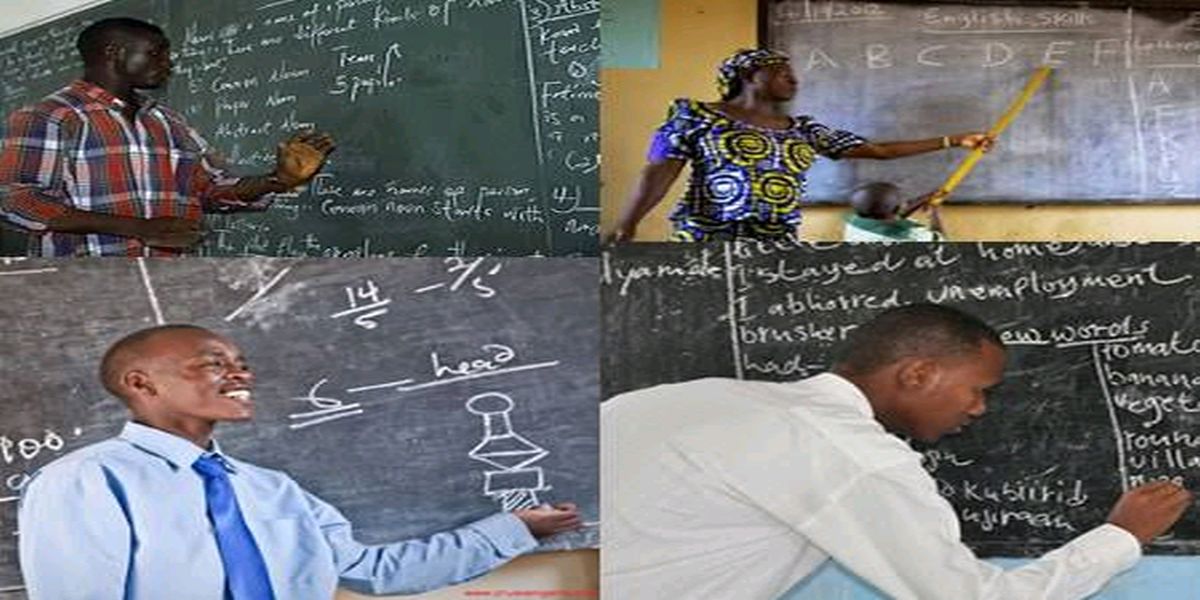
In a July 2025 report by the Universal Basic Education Commission (UBEC), Nigeria’s education system was shown to be steeped in a deep crisis that could take years to address. Interestingly, there are nearly 32 million children in primary schools, but only about 915,913 teachers are available to teach them. This leaves the teacher-pupil ratio at 1:35, which is far above UNESCO’s recommended 1:25 for basic education.
The country urgently needs 694,078 teachers, but only 499,202 are in classrooms today. This means a gap of nearly 195,000 teachers. In some states, one teacher handles an entire school, and in places like Kano, over 4.7 million pupils still learn on bare floors. What makes this situation worse is that Nigeria produces hundreds of thousands of trained teachers every year, yet many remain jobless. Poor recruitment, low pay, lack of career growth, and poor working conditions push many away from the classroom or out of the country entirely.
Between 2018 and 2022, 16 states did not recruit a single teacher. Even with federal funds available, 34 states and the FCT failed to access ₦263 billion from UBEC due to non-compliance with grant requirements. There are signs of hope. Anambra State recently hired 5,000 teachers on merit, and Enugu set aside 33% of its 2025 budget for education. Some policy analysts and educational experts have hinted that the solution lies in hiring more teachers, improving salaries, improving teacher training, and treating teaching as a respected profession. Without urgent action, Nigeria’s future remains at risk.
They insisted that Nigeria must consciously adopt a policy that will strategically and radically turn education, and, by extension, the fortune of this country around. They warned that this is not the responsibility of the Federal Government alone, but of the government across all strata.