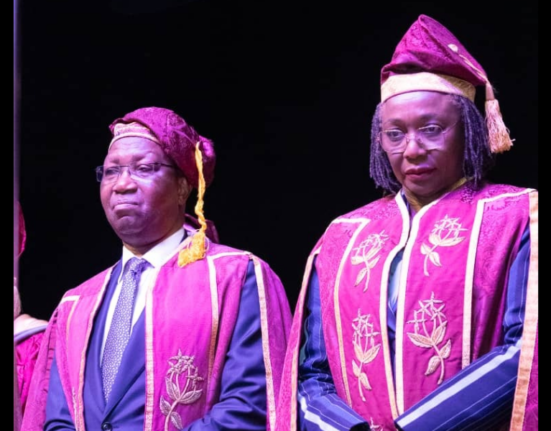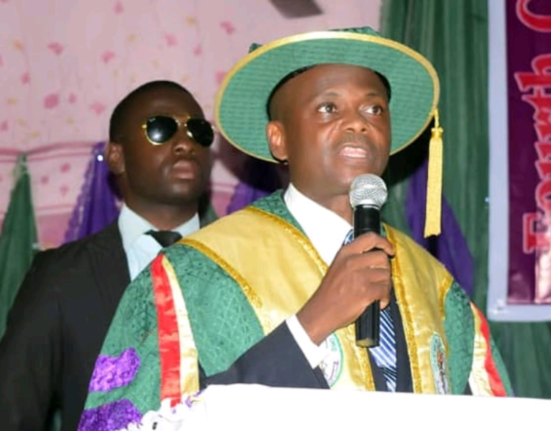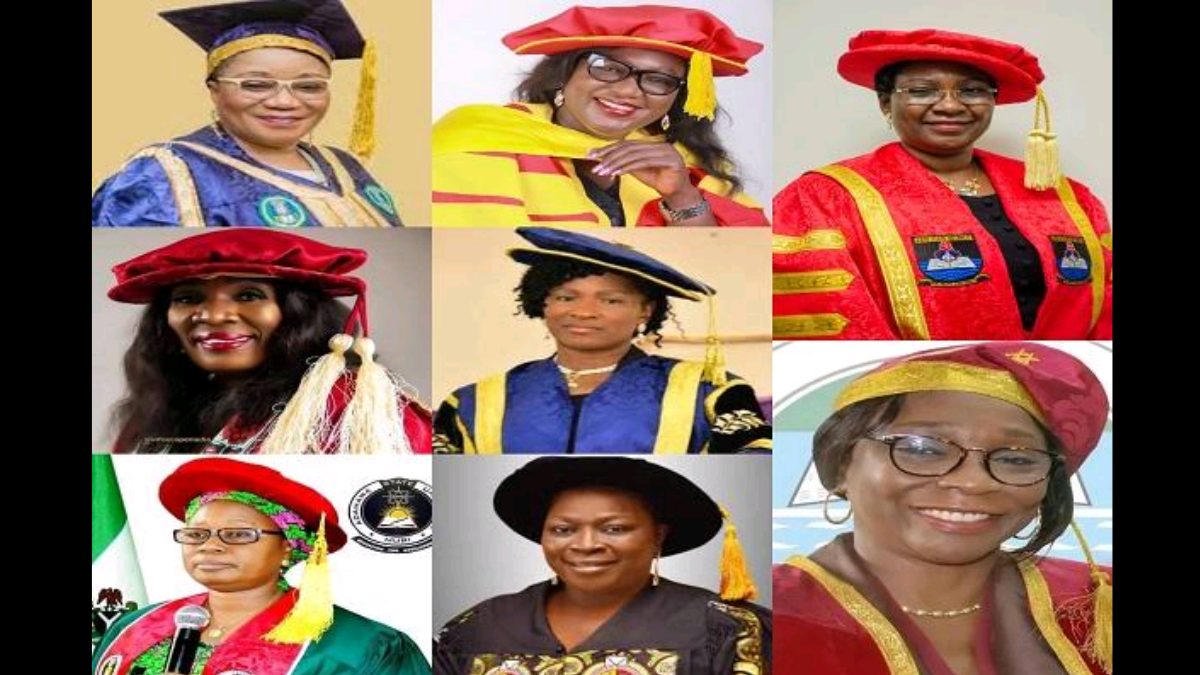
Some Female Vice-Chancellors in Nigeria
Across Africa, women have made significant gains in education, research, and academic participation. However, when it comes to leading universities, they remain largely shut out. Studies from Uganda, Ghana, Tanzania, and South Africa all reveal the same picture: men occupy almost all Vice-Chancellor (VC) positions. Even countries with strong higher education systems still struggle with gender imbalance at the top.
At a 2022 forum organised by the African Women in Higher Education Network and the Association of African Universities, scholars agreed that the continent’s universities still operate like old boys’ clubs. Structural biases, weak policies, and cultural beliefs continue to stand tall in the way of women and block them from climbing the academic ladder. The few who break through often do so against heavy odds.
Nigeria’s Case: Progress, Yet Painfully Slow Nigeria mirrors the continental struggle — only 13 out of 270 universities currently have female vice chancellors. Since independence, barely 5% of all Vice-Chancellors have been women. For a country with the largest university system in Africa, the numbers speak loudly.
Experts say the barriers begin early. Many female scholars balance academic demands with heavy family responsibilities. These responsibilities often eat into the extra time required for research publications, grants, networking and other activities needed for promotion. Some scholarship programmes still impose age limits that disadvantage women who start PhD work later due to childbirth.
Cultural and religious norms, especially in northern Nigeria, also play a strong role, says Dr Amina Abana of the University of Maiduguri. She noted that in some communities, the idea of a woman leading a university is still met with resistance. Limited mentorship opportunities, gender bias in appointments, political interference, and restricted access to networks also keep women out of the Vice-Chancellor race.
Recent findings from the Nigerian Institute of Social and Economic Research (NISER) add deeper nuance. The NISER discovered that cultural forces are still the strongest barriers—and women themselves sometimes reinforce them. Surprisingly, the study found that more women than men often inhibit other women, driven by internalised bias or fear of challenging cultural norms. Yet men, the study notes, have frequently acted as allies by endorsing or mentoring promising women. NISER also highlights a persistent dilemma: expanding women’s participation without appearing to lower standards, especially when many women were historically denied opportunities that prepare candidates for top roles.*
Why Female Leadership Matters
Stakeholders argue that women bring empathy, collaboration, and a more inclusive leadership style — qualities that universities need today.
Professors like Ladi Adamu of ABU Zaria emphasise that women’s nurturing and balanced perspectives make them strong academic leaders. Nevertheless, many female academics remain stuck at the lower rungs of the administrative ladder, such as deans and directors.
What Needs to Change
Experts recommend gender-sensitive policies, childcare support, paternity leave, transparent promotion processes, sexual harassment prevention systems, and leadership training programmes for women. Encouraging girls early, changing societal attitudes, and creating disability-friendly environments for differently-abled women are also critical.
Despite the challenges, Nigeria has inspiring examples: women like Prof. Lilian Salami of UNIBEN, Prof. Florence Obi of UNICAL and Prof. Nnenna Oti of FUTO have shown that leadership excellence has no gender.
However, until universities remove deep-rooted biases and redesign structures to support women, the Vice-Chancellor’s office will remain one of the hardest doors for African women to open.