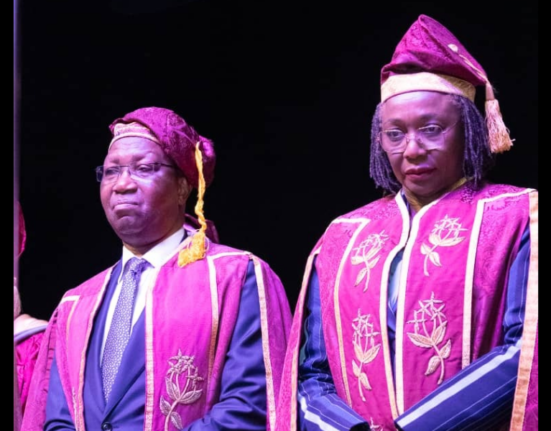
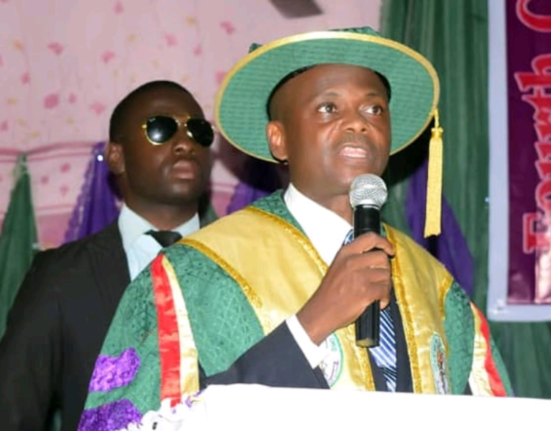
L-R, Mayowa Komolafe, Dr. Joy Isa, Bolanle Durodola and Daniel Emenahor, speaking at the Opening Plenary at TINE Africa
For many years, Africa’s educational blueprint has been inspired by the West. In curriculum design, assessment, and teaching methods, many African schools still mirror foreign models. While these systems have their strengths, experts say they no longer fully serve Africa’s realities, needs and future.
This concern was central to discussions at the International Education (TINE) Africa Summit in Ikeja, Lagos, where education stakeholders called for a shift from copying to designing education models that reflect African values, culture, and aspirations.
Speaking at the summit, the Convener of TINE Africa, Prince Louis Adekola, urged stakeholders to re-imagine international education. According to him, Africa must deliberately create spaces where its own stories are told and respected. “We need narratives that break barriers and allow African students’ voices to influence global systems,” he said.
Experts argue that imported education frameworks often ignore local context. They may prepare students to succeed abroad but leave them disconnected from their communities at home. This, stakeholders say, is why Africa must begin to design education systems that speak to its social realities, economic needs and cultural identity.
The Head of Higher Education at the British Council Nigeria, Daniel Emenahor, emphasised that Africa has strengths the world needs to recognise. For him, global education can only work when African students are no longer treated as side players. “The African student must move from the periphery to the centre of global conversations,” he noted.
Beyond ideas, collaboration was a central theme at the summit. Bolanle Durodola, Regional Director for West Africa at the University of Hertfordshire, called for durable partnerships across institutions. She emphasised the need for shared data, long-term training plans and strong communication channels. According to her, meaningful progress can only happen when institutions work together, not in silos.
Dr Joy Isa of Rugby School, Nigeria, added that Africa cannot thrive by running on borrowed models alone. She argued that African children must be taught to value their culture and develop their own voice. “When our students travel to learn, they should return stronger, ready to build Africa,” she said.
As African students study and work across the world, they also serve as informal ambassadors. Their confidence, ideas and values shape how Africa is seen globally. Stakeholders believe that when Africa designs education systems rooted in African realities, the continent can produce students who not only succeed globally but also drive domestic development.