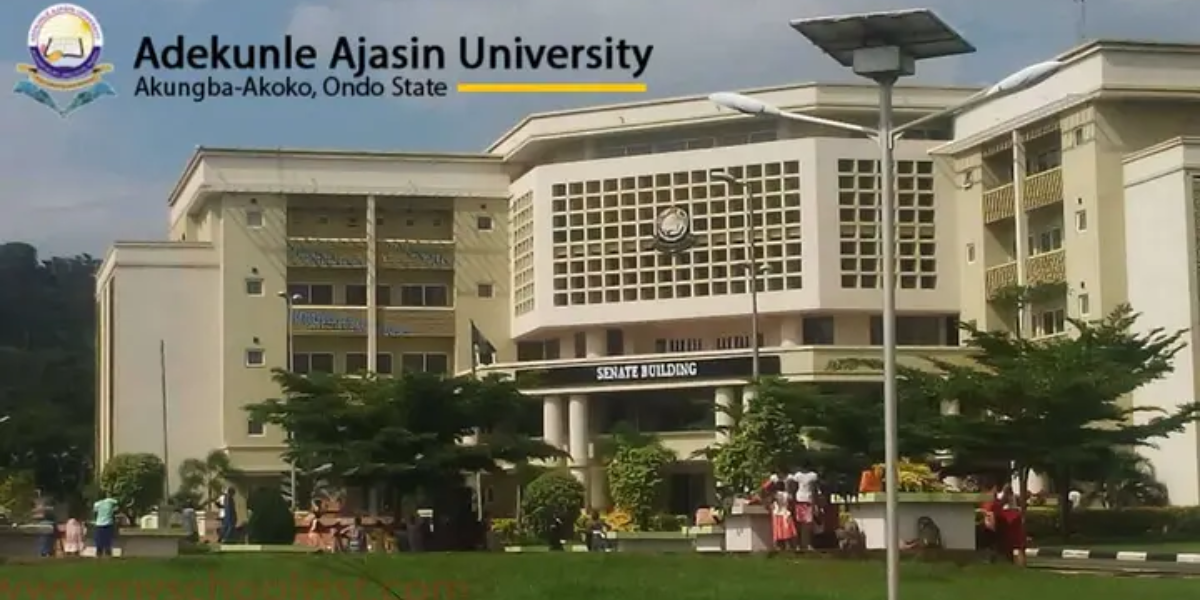
Recently, when the management of Adekunle Ajasin University, Akungba-Akoko (AAUA) announced that all 32 of its first-class graduates would receive automatic employment, many Nigerians welcomed the announcement.
Afterall, that is what analysts have been calling for. Nevertheless, beyond the applause lies a deeper national conversation: Why is retaining top graduates such a big deal, and what does it reveal about the country’s education system?
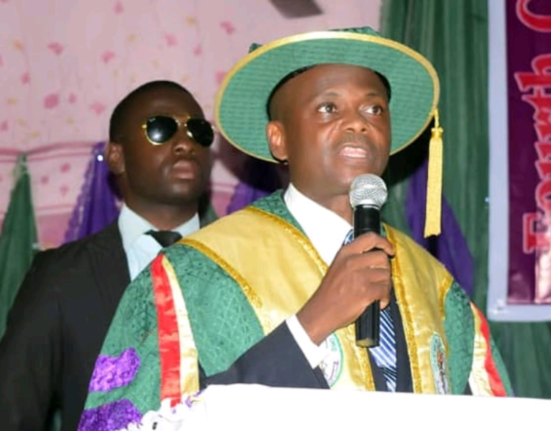
According to AAUA’s Vice-Chancellor, Prof. Olugbenga Ige, the policy is not just a reward for academic excellence—it is an intentional measure to counter worsening brain drain in the education sector. The “japa syndrome,” he said, has hit universities hard, with many young scholars abandoning the system due to poor pay and unstable funding. A PhD holder in Nigeria earns around N250,000, while the same academic earns up to N5 million abroad. “Who will stay under such conditions?” he asked.
However, perhaps the most striking voice in this debate comes from the former UNILAG Vice-Chancellor, Prof. Oluwatoyin Ogundipe. In a recent speech, he recalled that of the 256 first-class graduates retained at UNILAG between 2015 and 2022, only 17 remain, as of a few weeks ago. A staggering 239 left for foreign universities, private-sector opportunities, or left the country entirely. His conclusion was blunt: “We do not have a retention problem; we have a survival problem.”
Education analysts argue that AAUA’s approach is a good start—but not enough. Retaining first-class minds requires more than just offering them jobs. It demands a complete rethink of university funding, staff welfare, research opportunities, and conditions of service. Without an environment that excites young scholars, the country’s brightest will continue to leave, taking with them the innovation Nigeria desperately needs.
Stakeholders also warn that the issue goes beyond universities. The bigger picture involves national competitiveness, talent development, and the future of research in Nigeria. Countries like Rwanda, Kenya, and South Africa already run aggressive talent-retention programmes. Nigeria cannot afford to keep losing its best minds.
AAUA’s policy sends a strong message: excellence should not slip away. However, the bigger issue cannot be ignored: government, regulators, and institutions must work together to build an environment where young intellectuals can dream and grow. If not, the brain drain will continue, and Nigeria will keep training talent for the rest of the world.