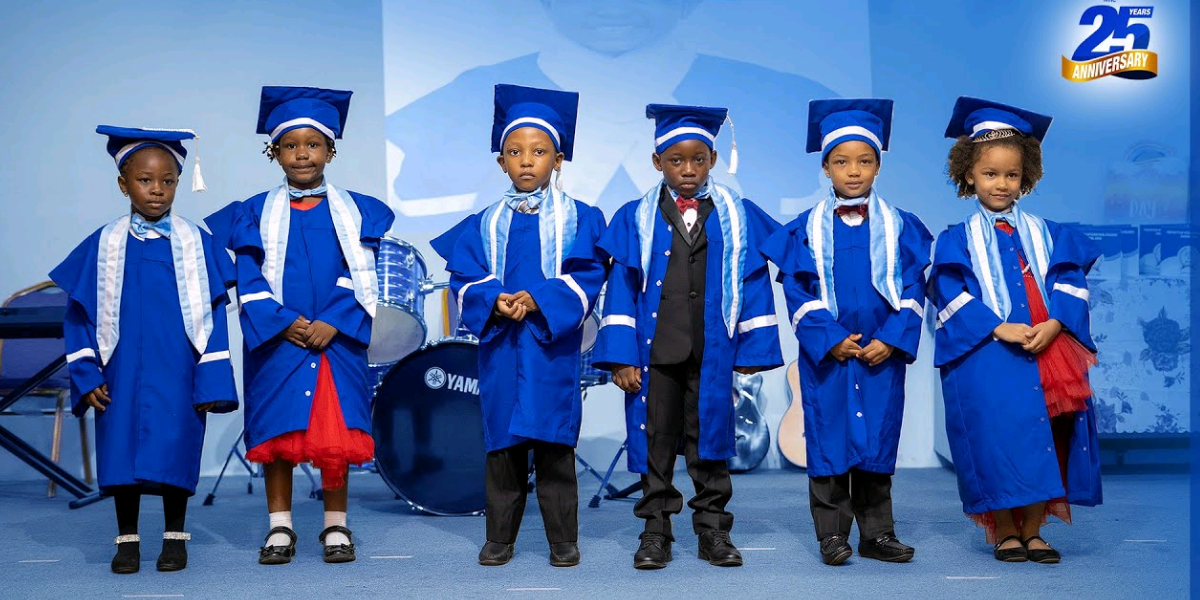
A quiet storm is sweeping across Nigeria’s private schools, and it is not about academics. It is about graduation ceremonies—the loud, colourful, university-style events now being thrown for toddlers and young pupils. What used to be a simple end-of-year prize-giving day has become a full-blown social event, competing with weddings and large birthday parties. However, the trend has now reached a breaking point. Five state governments—Oyo, Ekiti, Imo, Delta, and Anambra—have banned or regulated the ceremonies, accusing schools of turning education into an expensive show.
For many parents, the pressure has become unbearable. A kindergarten graduation can cost between N50,000 and N400,000, depending on the school. From custom-made gowns and caps to “aso-ebi,” photographers, DJs, and decorated halls—parents say it feels more like planning an owanbe than sending a child to the next class.
“I can now focus on my daughter’s school fees without worrying about an extra celebration bill,” said Uche Nwosu, a mother in Owerri, welcoming the ban.
However, others are not happy. Some school owners argue that the government is overstepping. They insist the ceremonies are part of their identity and a marketing tool in a very competitive private school market. “Parents pay willingly,” one school proprietor said. “It is not by force.”
Experts, however, warn that the trend goes deeper than money. Child psychologists say these ceremonies place the wrong values before children.
“We are teaching them to chase spectacle, not learning,” said Dr Chidinma Okafor. “Children begin to link achievement to flashy celebrations, not effort.”
The National Orientation Agency (NOA) has also backed the bans, saying Nigeria must discourage the culture of waste and early obsession with status.
Interestingly, the crackdown comes with its own economic consequences. A photographer in Owerri said most school bookings disappeared overnight after the new directives. The “graduation industry”—tailors, bakers, decorators—is already feeling the pinch.
Still, education analysts say the bans are a necessary reset. They argue that schools should return to simple, meaningful celebrations that focus on growth, teamwork, and learning—not on social media pictures.
“We need to remove the pressure and bring back substance,” said policy expert Olakunle Olatunde. “Let the children enjoy learning without turning school events into fashion shows.”
As more states consider similar bans, one thing is clear: Nigeria is rethinking what it truly means to celebrate a child’s success—and choosing learning over lavishness.