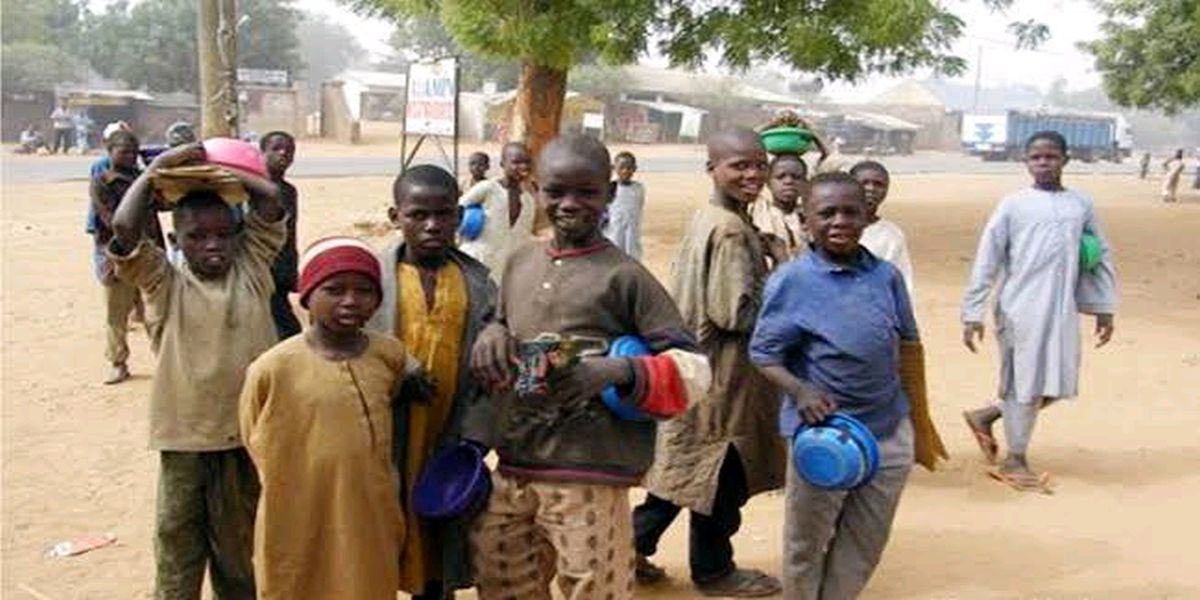
Without a doubt, Nigeria’s education system is in a state of crisis, and it is costing the country significantly, particularly in terms of human capital development and economic growth. Whether it is poor school infrastructure, outdated curricula or the highest number of out-of-school children in the world, the signs of stagnation are there for any discerning mind to see.
Three Nigerian scholars in the diaspora — Osmond Agbo, Moses Ochonu, and Farooq Kperogi — recently discussed the issue, blaming years of neglect, lack of political will, and the failure of leaders to prioritise education. According to UNICEF, Nigeria has over 13 million children not in school, primarily in the Northern Part of the Country. However, the world is moving fast with Artificial Intelligence and technology, areas where Nigeria is lagging behind.
Moses, one of the discussants, stressed that throwing money at education alone will not solve the problem. He said Nigeria must fix the foundation, specifically in primary and secondary schools, where students first develop their skills. He also called for a comprehensive overhaul of the university curriculum, increased accountability for lecturers, and improved mentoring.
Kperogi, who is also a known government critic, added in a tone that was rather emotional that the rot in education reflects the general decay in the country, particularly in leadership. While it is a fact that some Nigerian universities produce brilliant minds, he argued that rankings often do not tell the whole story. Still, he noted that constant strikes, corruption, and poor teaching quality continue to hurt progress in the country’s institutions.
One bold suggestion that came from these Nigerian intellectuals was for the government to introduce tuition in federal universities and use “sin taxes” on alcohol and cigarettes to fund scholarships for poor students. This may be a somewhat controversial issue, but they are convinced it will bring progress. However, at the heart of it all is one bitter truth: Nigeria’s education problem is not a lack of ideas, but a lack of action.