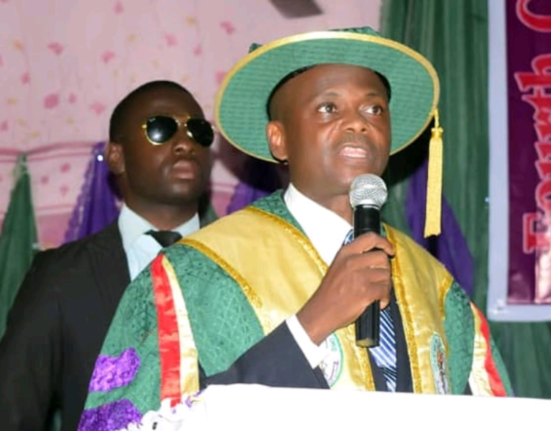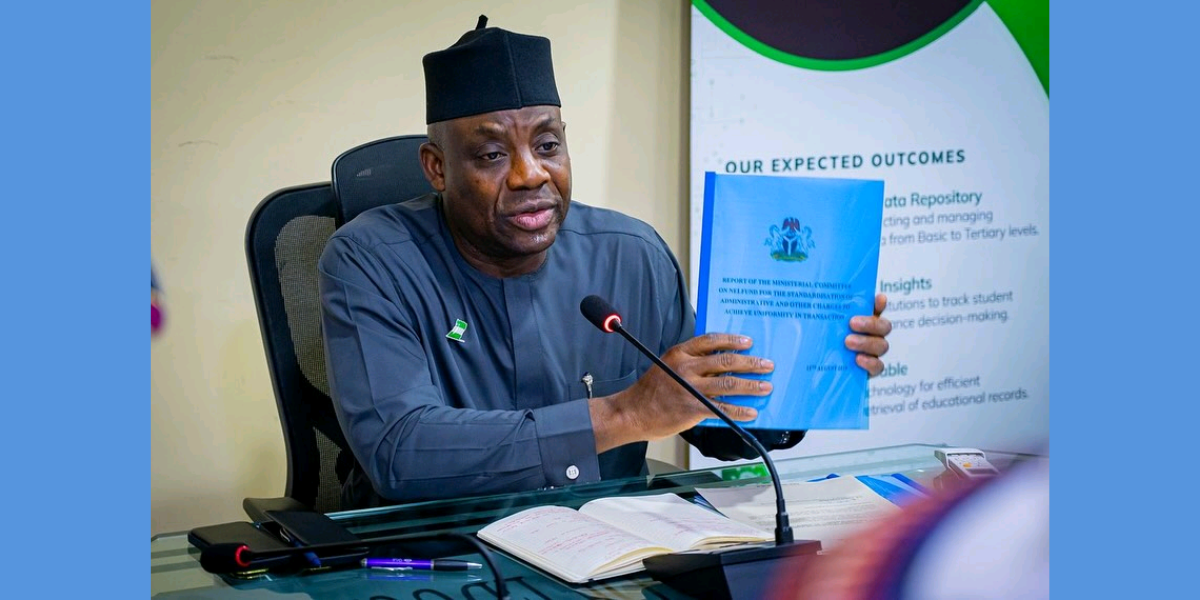
Dr. Tunji Alausa, Minister of Education, unveiled the new 80–20 education reform model in Abuja
For years, Nigeria has been celebrated for producing impressive education policies—documents full of big promises and elegant frameworks. However, classrooms across the country still struggle with overcrowding, weak teacher capacity, drug abuse concerns, poor learning outcomes and patchy monitoring. The Federal Government now says the problem is simple: too much policy writing, too little implementation.
This is the big idea behind the new 80–20 education reform model, unveiled in Abuja by the Minister of Education, Dr Tunji Alausa. In plain terms, the FG wants ministries, state governments, SUBEBs and LGAs to spend 80 per cent of their energy on execution, and only 20 per cent on drafting new rules.
Why Nigeria keeps missing the mark
Education experts often say Nigeria suffers from “policy fatigue”—every administration creates new documents, but teachers, parents, and students rarely see change. Policies gather dust because there are no strong accountability systems, no timelines, and no clear metrics to judge success. The new model tries to end this cycle.
What an implementation-driven system will look like
In real terms, this means more on-the-ground action and fewer conferences in Abuja. Federal ministries will focus on technical guidance, but the real work will shift to states. Commissioners like Kwara’s Dr Lawal Olorungbebe, who have already pledged full compliance, will be under pressure to deliver measurable results—not just reports.
Teachers will feel the shift quickly. Licensing through the Teacher Registration Council, compulsory digital upskilling, and regular competency checks will become routine. Development partners such as UNESCO and UNICEF, who supported the new policies, are expected to help track performance indicators across states.
New accountability tools
For the first time, states will be required to work with timelines, standard indicators, and routine audits. Progress will be monitored from Abuja, but implementation will take place in classrooms—from teacher attendance and lesson delivery to digital training, drug-prevention programmes, and student well-being programmes.
What parents, teachers and students should expect
Parents may notice more structured school environments. Teachers will see more training and stricter compliance checks. Students should expect improved learning processes, especially as drug-abuse prevention and counselling services roll out. Moreover, communities will watch states integrate these commitments into their 2025/2026 budgets, making the reforms harder to ignore.
The 80–20 model may not solve every education problem overnight, but it signals a new discipline: less talk, more work—and precise results to measure.