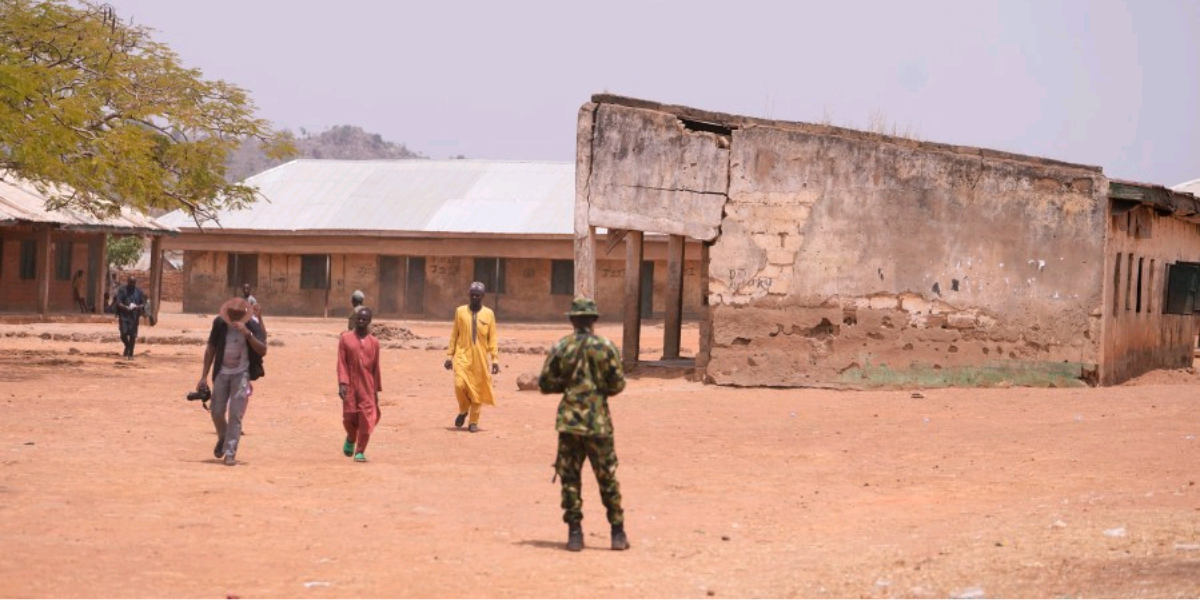
More than ten years after the global community rallied behind Nigeria with millions of dollars to secure its schools, the reality on the ground paints a troubling picture: over 42,000 primary and secondary schools in northern Nigeria remain without perimeter fencing, leaving children exposed to the country’s worsening security crisis. This is despite the more than $30 million raised under the Safe School Initiative (SSI).
Launched in 2014 after the abduction of 276 Chibok schoolgirls, the SSI was designed to rebuild school infrastructure and protect learners from armed attacks. Donations poured in—from Norway, Qatar, Switzerland, the African Development Bank, the UK, and Nigerian business leaders—raising hope that children would finally learn without fear. Nevertheless, a decade later, bandits have kidnapped over 2,000 students, and about 800 schools have been shut in northern states due to insecurity.
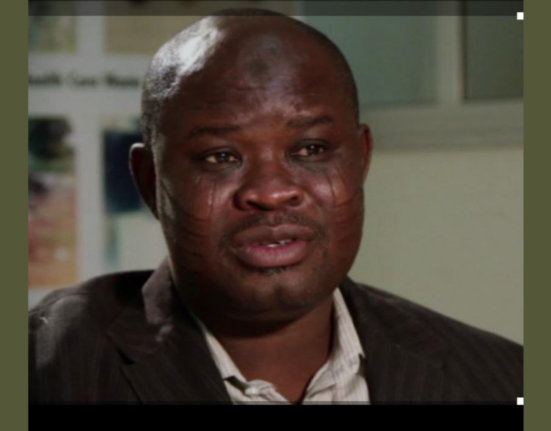
Education and security experts say the problem is not money, but poor implementation. Legal practitioner Kunle Ayeni questioned whether any schools truly benefited. Analysts blame bureaucracy, weak monitoring, and inconsistent leadership for the collapse of momentum. “There was no clarity on who should lead,” one analyst explained. “Police handle internal security, NSCDC coordinates SSI, states manage the schools, and the military comes in during mass abductions. The overlap creates confusion.”
The National Safe Schools Response Coordination Centre, created to fix the problem, still struggles with real-time reporting and rapid response. This delay allows attacks to go on for hours without interception.
The human cost is devastating. Recent mass abductions—from the 303 students kidnapped in Niger State this year to earlier cases in Katsina, Zamfara, Kaduna and Yobe—have forced multiple states, including Kwara, Plateau, Benue and the FCT, to shut schools. For many communities, learning has simply stopped.
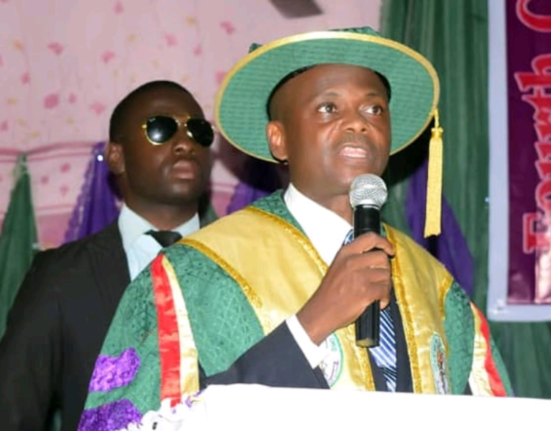
Civil society organisations are now demanding answers. Education for All, led by Emily Owoeye, insists on a full public audit of SSI funds. “More than $20 million was pledged. Nigerians deserve to know what was done,” she said.
Security experts say restarting the initiative will require restructuring. Analyst Charles Ude recommends clear accountability, proper fencing, CCTV, trained guards, and stronger community intelligence. Emmanuel Orji of AFED adds that insecurity cannot be solved without tackling its roots—poverty, youth unemployment, and social exclusion.
For parents, teachers, and millions of children across the North, one question remains: How long will it take for Nigeria to finally make its schools safe?