Education is supposed to be the foundation of national progress, but in Nigeria, constant changes in the education system have continued to weaken that foundation. Every few years, the country introduces a new structure — from 6-5-4 to 6-3-3-4, and now 9-3-4 — all in a bid to improve learning. Nevertheless, despite the big promises, real progress has remained far from reach. These endless policy shifts have disconnected education from Nigeria’s long-time dream of becoming an industrial nation.
After independence, Nigeria had high hopes of becoming a significant industrial power. With booming agricultural exports such as cocoa, groundnuts, and palm produce, many believed that education, especially technical training, would prepare the country to transition into manufacturing and industrial production. Back then, schools such as Yaba College of Technology and the Nigerian College of Arts, Science and Technology were producing skilled workers, technicians, and engineers who helped to build industries and infrastructure.
However, along the line, that system began to collapse. Repeated reforms, inadequate funding, and ineffective planning left technical education on the verge of collapse. For years, government funding for education has remained below 8 per cent of the national budget — far below the 15 to 20 per cent recommended by UNESCO. Many technical schools have been abandoned, laboratories are outdated, and teachers are poorly trained. While the private sector attempted to fill the gap, most private schools prioritised profit-making over skill development.
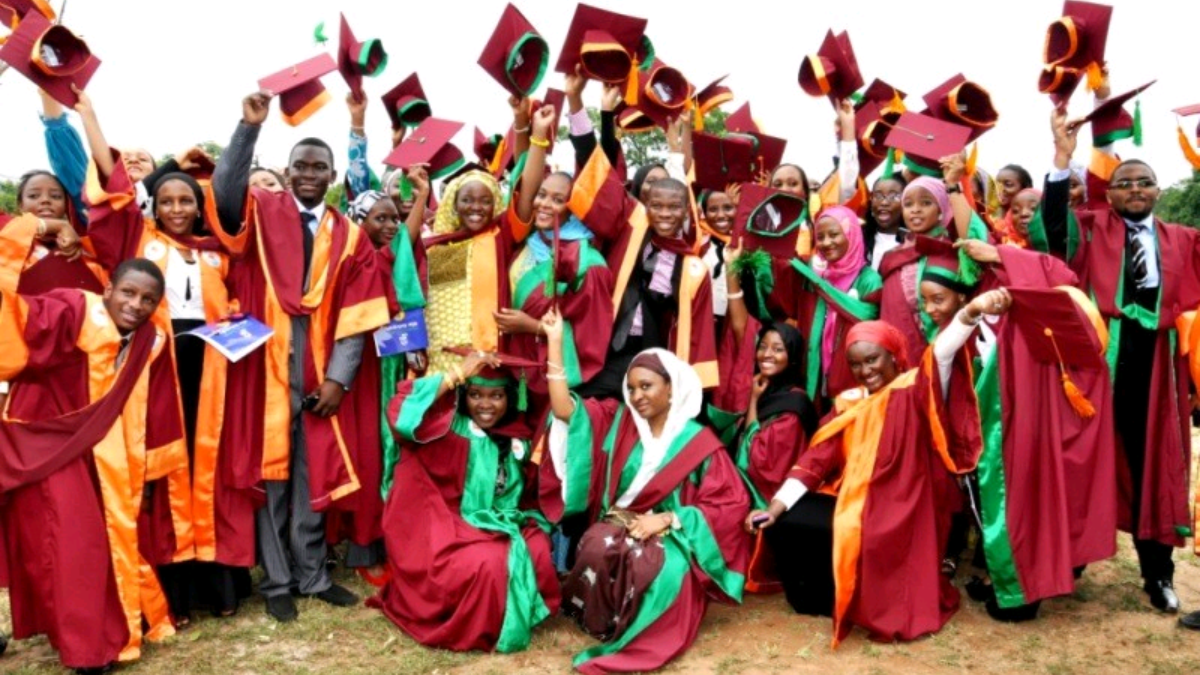
Today, Nigeria’s education system, in most cases, produces graduates who proudly display their certificates but lack the necessary practical skills. Many young people now hold degrees but are unable to operate machines, build systems, or solve technical problems. As a result, industries are struggling to attract skilled workers, while unemployment rates continue to rise, reaching around 33 per cent in 2023.
Another major problem is Nigeria’s fixation on certificates rather than competence. Polytechnics have lost their respect, vocational schools are dying, and even universities are not producing graduates who can fit into modern industry. Many companies, primarily multinational and large Nigerian corporations, are now compelled to rely on foreign experts or import semi-finished products because there are not enough skilled Nigerians available to perform the job.
If Nigeria is to find a lasting solution to this problem, it must reconnect education with industry. Vocational and technical schools need to be revitalised, and universities should collaborate closely with companies to enable students to gain practical experience.
Nigeria’s future will not depend on the number of degrees people hold but on the quality of skills they can offer. Until the country begins to train people who can think, build, and create solutions, the dream of industrialisation will continue to be just that — a dream.