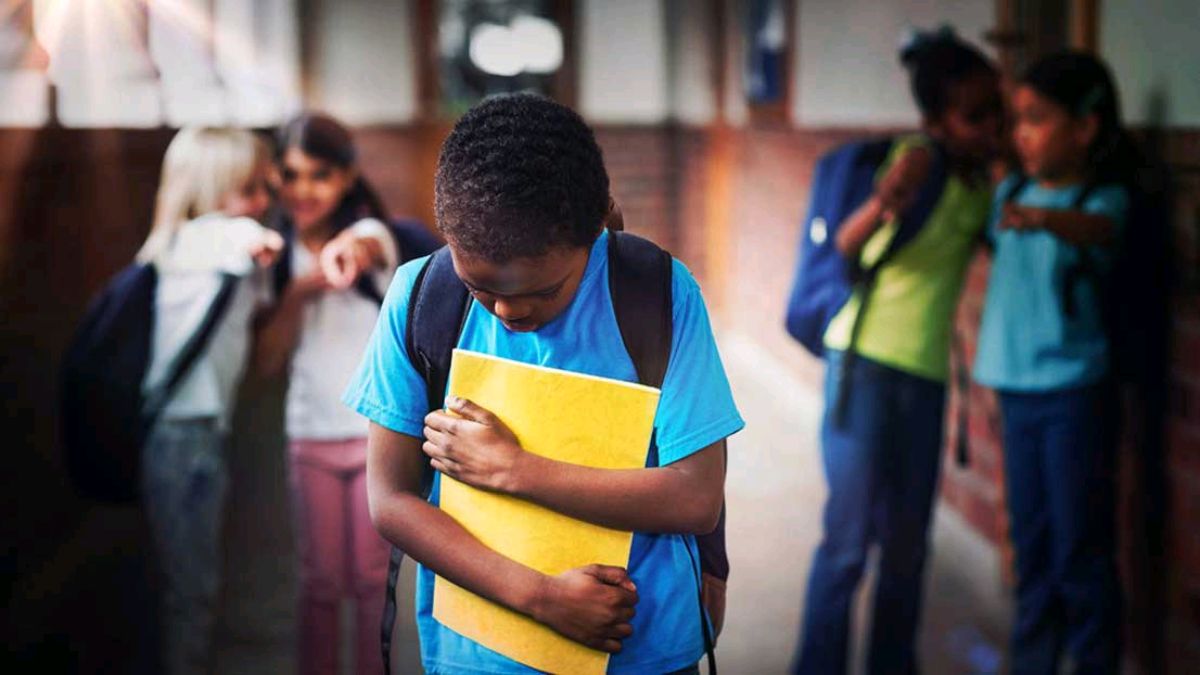
Twelve-year-old Favour used to love chatting with her friends online. However, that suddenly changed one night when a cruel message appeared on her screen. “You are ugly and useless,” it read. The words stayed longer than the glow of her phone screen. Her grades dropped, her smile faded, and her parents could not understand why their once-cheerful daughter had withdrawn into silence.
As the world marks the Day Against Violence and Bullying at School, stories like Favour’s remind us that for many children, the battle is not fought in the playground anymore — it is online.
Cyberbullying has quietly become one of the biggest threats to young people in today’s digital age. Behind the selfies and emojis, children are exposed to online cruelty that can destroy their confidence and peace of mind. Psychologists warn that children and teenagers — trusting, curious, and emotionally sensitive — are the easiest prey in this virtual jungle.
“Keeping the conversation open is the best form of protection,” says child therapist Dr Ada Eze. “Children must feel safe enough to share their fears without being judged or blamed.” Experts insist that both victims and bullies need counselling — one for healing, the other for reformation. Moreover, when adults engage in such cruelty online, the law must take its full course of action.
Cyberbullying affects more than emotions. Victims often suffer anxiety, depression, body image issues, sleeplessness, and even physical symptoms like headaches or fatigue. To combat this, parents are encouraged to raise “cyber-smart” kids — children who understand that not everything online is safe and who feel confident enough to speak up when something feels wrong.
Technology can also help. Many free apps now allow parents to monitor or limit their children’s online activity. However, beyond software, experts say the best protection comes from trust and communication. “No app can replace a parent’s presence,” says Dr Eze.
Sadly, the bullying problem does not stop at cyberspace. Nigeria’s schools are still haunted by physical and emotional bullying. From Abuja to Lagos and Uyo, painful stories keep resurfacing — from the tragic case of Don Davis to the recent incident at Lead British International School, where a viral video showed a student being assaulted by her classmates. These incidents expose a disturbing truth that bullying in Nigeria is not something new, nor is it rare.
Professor Dieter Wolke, a researcher at the University of Warwick, has long warned that childhood bullying leaves long shadows. His study found that victims often grow up struggling with jobs, relationships, and mental health — even decades later. The scars, though invisible, are lifelong.
However, Nigeria has no national anti-bullying policy. While countries like the U.S. and the U.K. have put in place a structured system that allows victims to report and address school bullying, Nigeria’s response remains reactive — only surfacing when tragedy strikes.
Bullying, whether it is digital or physical, is not a “normal part of growing up.” Stakeholders must rise against it because it is a silent epidemic that erodes children’s confidence, dreams, and dignity. The time has come for parents, teachers, and policymakers to unite — not just in outrage, but in sustained action.
Every child deserves to learn, live, and love without fear — both in the classroom and on the screen.