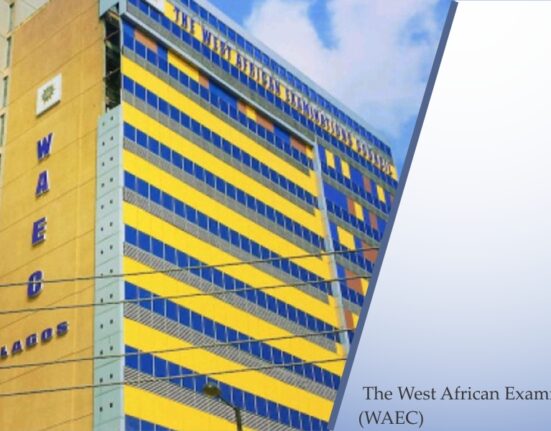
Despite contributing nearly three-quarters of candidates for the West African Senior School Certificate Examination (WASSCE), Nigeria has continued to watch from the sidelines as Ghanaian students cart away the top prizes year after year. The situation has become a national embarrassment, and education stakeholders are raising the alarm.
Alhaji Muhammad Ibn Musa, President of the All-Nigerian Confederation of Principals of Secondary Schools (ANCOPSS), paints a grim picture of the rot in Nigeria’s education system — and it cuts across the Board: students, parents, teachers, and even government policies.
“The problem is not just with teachers or principals,” Musa explains. “It’s a shared failure. Students today are not serious about academic excellence. Many want to pass, not excel. Some don’t even realise they are competing with students across West Africa.”
His comments come amid Ghana’s clean sweep of WAEC’s International Awards for two years running — a feat Nigeria hasn’t matched, despite producing the largest number of candidates.
So, what are Ghanaians doing differently? According to Musa, it’s about structure and focus. “Ghana has specialised schools for science, arts and commerce,” he says. “Here in Nigeria, we have comprehensive schools — some with just two classrooms presenting students for SSCE.”
The decay goes even deeper. Musa blames many parents for enrolling their underage children and pressuring them to skip classes. Some even encourage exam malpractice. “How can you expect a child who scores 72 in JAMB to do well in WAEC?” he asks.
But it’s not just about parents and students. Teachers also bear responsibility. Musa laments that many students skip vital topics, waste class time on irrelevant discussions, such as politics, and rarely attend WAEC or NECO script-marking exercises, thereby missing out on essential insights into how examinations are assessed.
And the government? Its policies have not helped either. Musa highlights how states now enforce automatic promotions and disregard the 6-3-3-4 system, effectively abandoning vocational training altogether. “Technical schools exist in name only,” he says. “No tools, no workshops — just theory.”
Even the curriculum is more ornamental than functional. “Students cram instead of understanding concepts. In science labs, five students share one piece of equipment. So, they all write the same answers during examinations, and WAEC calls it malpractice,” he explains.
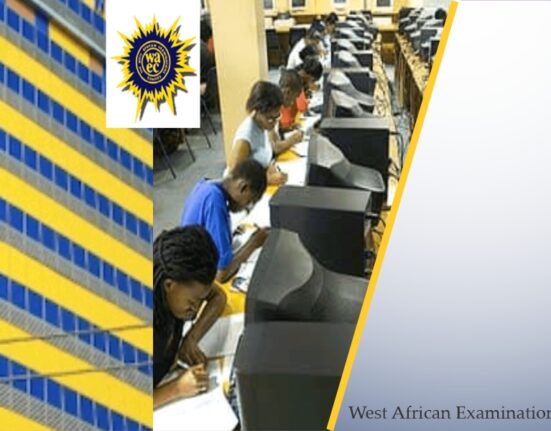
This alarming cycle of failure, Musa says, is exacerbated by the migration to digital examinations, which often lack sufficient infrastructure to support them. “We claim free education, but parents still buy everything – even chalk. Who maintains the computers when they break?”
The result? A generation of students who are ill-prepared to face both local and global academic challenges.
The message is clear: If Nigeria must reclaim its pride in WAEC and NECO examinations, everyone must act now. Teachers must retrain, students must focus, parents must support responsibly, and the government must stop politicising education.
Until then, the Ghanaian flag will continue to fly higher, while Nigeria watches.