The 2025/2026 school session has started, and some schools are already into their second week of classroom activities. However, one issue has dominated conversations across homes, markets, and offices: school fees. Parents groan under rising costs, school owners insist they cannot survive without upward reviews, while the government steps in to forbid increases. However, this raises a moral question: should the government prohibit private schools from increasing fees, or is it interfering with how businesses operate?
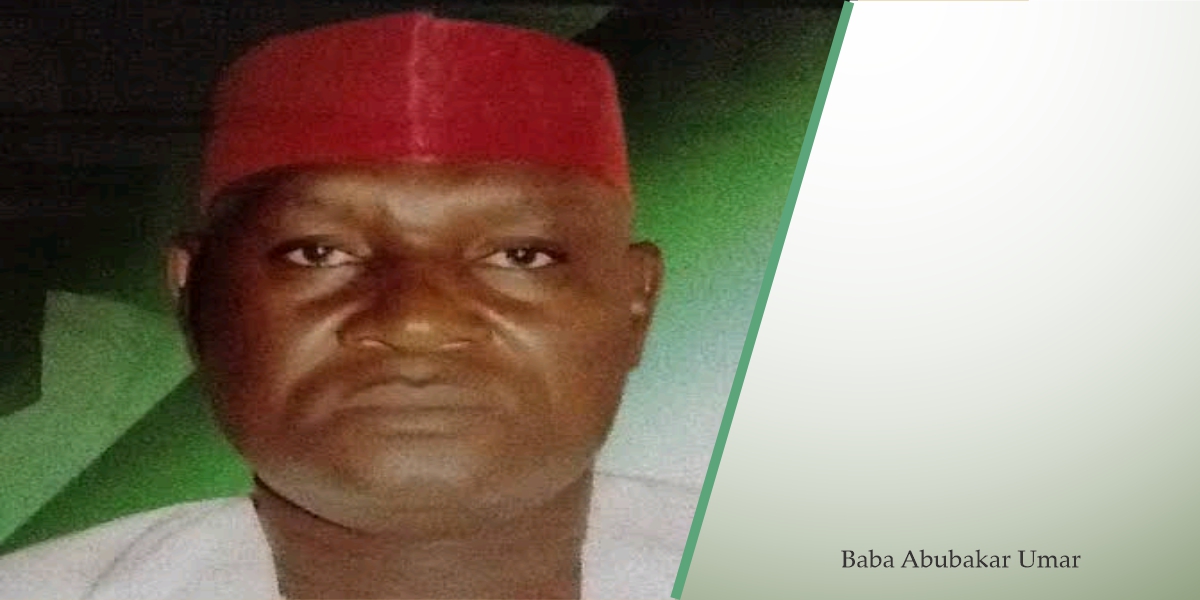
In Kano State, the government has drawn a clear line. “No school is allowed to increase fees without receiving formal approval from this board, no matter how big that school is,” said Baba Abubakar Umar, Special Adviser to Governor Abba Kabir Yusuf on Private and Voluntary Institutions. According to him, schools must first hold a Parent-Teacher Association (PTA) meeting with parents, teachers, and state officials, and two-thirds of the house must back any increment before government approval.
The state also banned schools from forcing parents to buy uniforms, books, or pay for prize-giving ceremonies. Kaduna State has taken a similar stance, warning private schools against arbitrary hikes.
For many parents, this government action is a relief. Investigations by Tribune Online revealed that some schools increased their fees by as much as 35 per cent this term. “I had to withdraw my two children from Twins Academy after they increased fees by over 30 per cent,” said Paulina Okede, a single mother in Mararaba, Nasarawa State. “It was too much for me. I may put them in public school or keep them in my shop to learn tailoring.”
Nevertheless, private school proprietors tell a different story. They argue that inflation, high diesel costs, and rising teacher salaries make it almost impossible to maintain schools without reviewing fees. A school owner in Abuja, who preferred not to be named, explained: “We are not government schools that get subventions. Everything we spend comes from fees. If we do not increase, we collapse. The government is asking us to run at a loss.”
This is where morality comes in. Can the government, which itself struggles to fund public schools, morally prevent private schools, run as businesses, from adjusting to economic realities? Or is the intervention justified in the name of protecting vulnerable families?
Education policy expert Dr Funmi Adeyemi believes it is a delicate balance. “Parents are right to complain, schools are right to demand sustainability, and the government is right to regulate. However, regulation without support mechanisms, such as subsidies, tax breaks, or funding schemes, may be unfair. We cannot ask private schools to bear all the burden of Nigeria’s failing economy.”
Parents’ associations, however, support the clampdown. “Some schools exploit parents under the excuse of inflation. The government must protect us,” said Abdulrasheed Sani, a PTA leader in Kano.
Ultimately, the school fees debate reflects Nigeria’s broader struggle: striking a balance between survival and fairness. Parents understandably want affordable education, schools want to remain in business, while the government wants order. Amidst all these considerations, the biggest question is how to protect the different interests of all stakeholders without jeopardising children’s right to quality, affordable education.