In a bid to address the foundational weaknesses of Nigeria’s education system, Nigerian engineer and education innovator Anthony Nwachukwu Isiani has unveiled a series of locally developed learning tools designed to transform classroom teaching nationwide.
Isiani, founder of School Development Support (SDS) International Limited, told journalists during a facility tour at the company’s Lagos headquarters that Nigeria’s slow socioeconomic progress is rooted in decades of underinvestment in critical sectors, especially education, agriculture, and engineering.
He described these three sectors as the “Trinity of Human Development,” arguing that no nation can truly develop without deliberate investment in them. “For years, these sectors have suffered neglect from both the government and the private sector. However, if we pay focused attention to them, we will see transformation across the board,” he said.
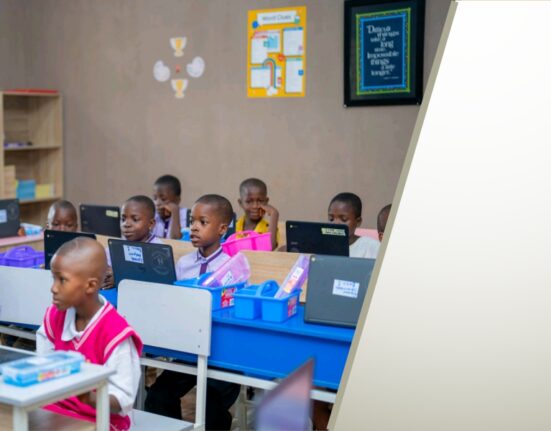
In response, Isiani and his team at SDS have spent the last 27 years developing over nine indigenous education solutions, designed to make learning more interactive, engaging, and effective. The products, built entirely in-house, range from customised student furniture and classroom accessories to remote-controlled audiovisual systems, writing tablets, and even mini table tennis courts for early learners.
During the media tour, visitors were shown SDS-designed theme parks for schools, science laboratory prototypes, writing markers, and classroom monitoring screens — all locally made and tailored to suit the unique needs of the Nigerian learning environment. “We are not just designing equipment; we are creating solutions that make education meaningful and engaging for both teachers and students,” Isiani explained.
A mechanical engineering graduate of the University of Nigeria, Nsukka, Isiani said he ventured into the education sector unexpectedly but found his calling in using engineering to support learning. Though qualified to run a conventional school, he opted instead to serve as a provider of educational infrastructure to schools across Nigeria.
“I realised that starting my school would limit my impact. My goal is broader — to support the entire education industry with tools and ideas that raise teaching standards,” he said. Isiani, who left a career in oil services to return to education, said his long-term vision is to bridge the gap between engineering and teaching, and help reshape Nigeria’s learning culture through technology, innovation, and local solutions.