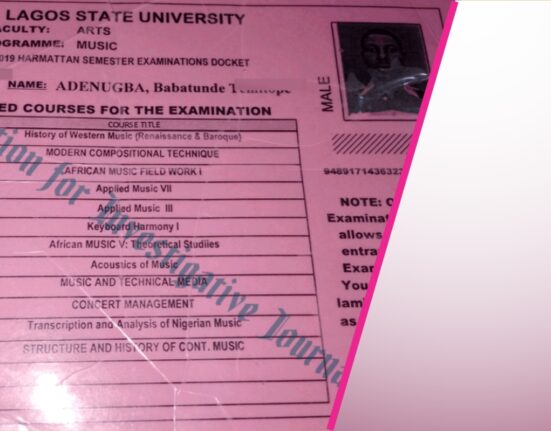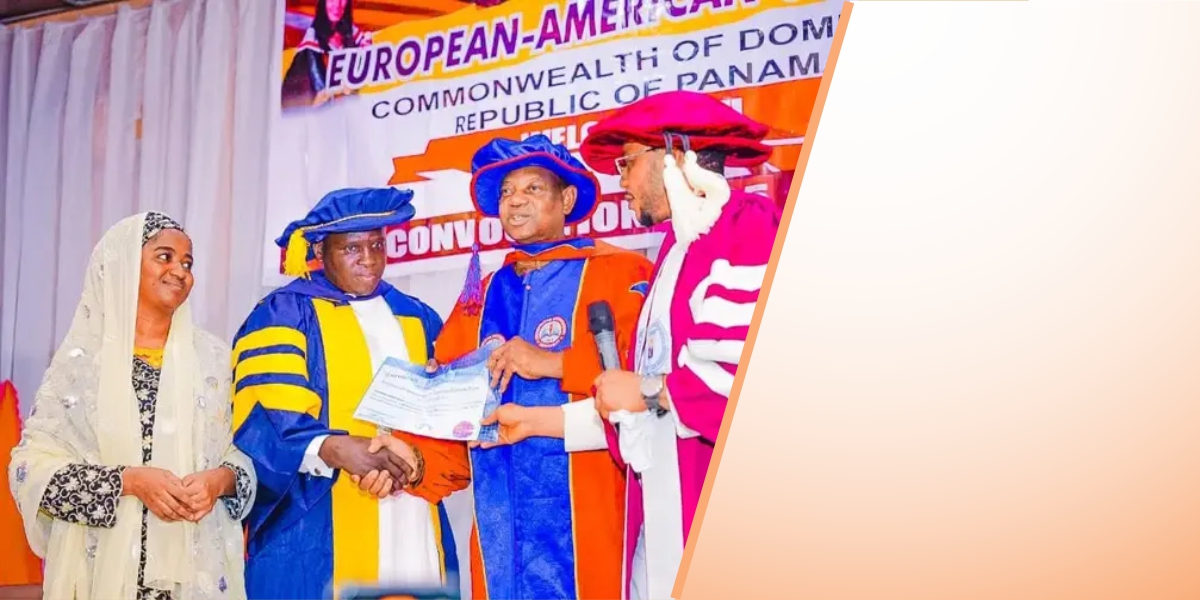
The rise of fake universities in Nigeria is fast becoming a big problem. These schools, often operating under foreign names or claiming to be partners with well-known institutions, take advantage of young Nigerians who are desperate for a university education, as well as their parents. They promise quick degrees, big convocation ceremonies, and international recognition. However, in the end, what students get are fake certificates and disappointment.
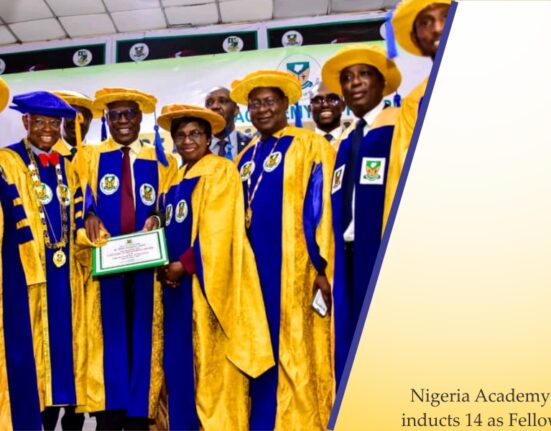
Just this month, the European-American University had to issue a public statement disavowing a purported convocation in Abuja where honorary degrees were conferred upon prominent Nigerians, including the popular Hausa musician Dauda Kahutu Rarara. The university described the event as “fraudulent,” warning that those behind it had no authority to act on its behalf. It also vowed to pursue legal action in Nigeria to stop the spread of fake certificates.
Sadly, this is not an isolated incident. Back in 2013, the National Universities Commission (NUC) published a list of 41 illegal universities operating openly in the country. Many of them were running from known addresses and even masquerading as satellite campuses of licensed schools. More recently, in January 2024, the Federal Government shut down 18 foreign universities in Nigeria—mainly from the US, UK, and Ghana—describing them as “degree mills.”
Education experts say the menace of fake universities is a symptom of Nigeria’s broken educational system. With over two million candidates sitting for UTME every year, only a fraction gain admission into the country’s 260 approved universities. According to data from JAMB, fewer than 40 per cent of applicants secure admission annually. The rest are left stranded.
It is this acute shortage that creates a fertile ground for fake universities. “When demand is far higher than supply, fake operators will naturally exploit the gap,” says Professor Tunde Ajayi, a Lagos-based education consultant. “Parents are desperate to see their children in school, so many do not do proper checks before paying huge sums.”
The situation is not unique to Nigeria. In Ghana, the National Accreditation Board has had to close down several illegal institutions over the years. In Kenya, the Commission for University Education has also been fighting “degree factories” that sell fake certificates to politicians and job seekers. Across Africa, the story is the same: weak regulation, high demand, and desperate families.
The dangers are clear. Graduates of fake universities are unable to secure jobs, apply for postgraduate studies, or participate in the National Youth Service Corps (NYSC). Employers and foreign embassies now scrutinise certificates more carefully, making it nearly impossible for individuals with fake degrees to advance.
Experts insist that Nigeria must strengthen its oversight. Firstly, the NUC Should, as a matter of necessity, publish regular updates on fake institutions and circulate them widely in newspapers, radio, and social media. Second, security agencies must go beyond publishing names and actually prosecute the operators of these schools. Third, the government must invest in expanding access to quality education, including the establishment of more state-owned universities and technical institutions.
As Professor Ajayi puts it, “We cannot police our way out of this problem. We must expand opportunities so that young people are not forced into the waiting arms of fake operators.”
Until then, fake universities will continue to thrive, feeding on the frustration of students and the weaknesses of Nigeria’s education system.