Across the world, many of the significant inventions that have changed society did not originate from classrooms or lecture halls. They came from people who used vision, courage, and creativity, even when they did not go far in school. Sadly, Nigeria tells a different story. Here, academic titles are celebrated more than real results. Professors and PhD holders receive praise, yet their research hardly produces inventions that solve everyday problems.
Nigeria has thousands of professors and doctoral holders. However, how many of them can point to one major breakthrough after years of research? Most of the time, what we see are endless journal papers that do not influence government policy or create new industries. Many of those papers end up forgotten in university libraries. For a country that aspires to compete in the global knowledge economy, this is a shame.
Our universities have now become factories for degrees and promotions. Academic progress depends more on publishing papers than on producing solutions. For instance, on our campuses, students often write projects that nobody remembers after graduation. Dissertations pile up, but they hardly address Nigeria’s real challenges. This focus on paper qualifications instead of practical innovation explains why the country is still behind in science and technology.
It was not always like this. In the 1970s, Nigeria produced Professor Ayodele Awojobi, a brilliant engineer. He designed the Autonov 1, a car that could move forward and backwards with equal strength, featuring two steering wheels and a rotating driver’s seat. His work was far ahead of its time. However, after his death, the project was abandoned. His story shows Nigeria’s tragedy: we let brilliance die, while we glorify empty titles.
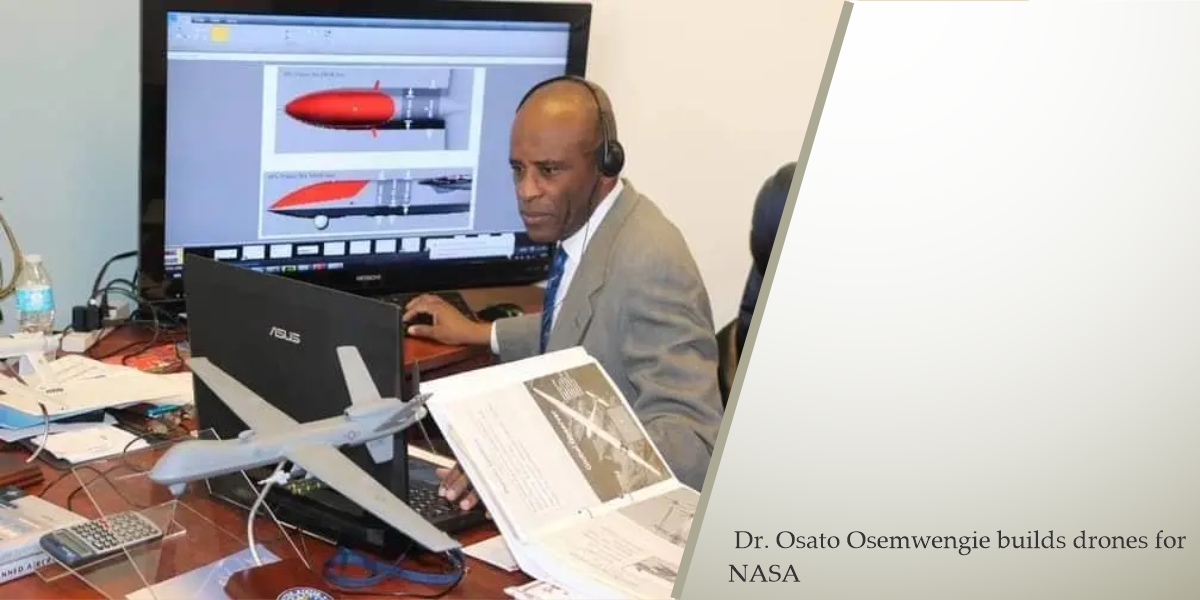
Meanwhile, Nigerians abroad are making history. Dr Samuel Achilefu invented cancer-vision goggles now used in hospitals overseas. Dr Osato Osemwengie builds drones for NASA. Silas Adekunle created MekaMon, the world’s first gaming robot, in partnership with Apple. Dr Bennet Omalu discovered CTE, a brain disease that changed global sports medicine.
These men are Nigerians, but their breakthroughs did not come from Nigerian institutions. They succeeded in places where innovation is valued above paper titles. The question is: why can’t Nigerian universities do the same?
Experts say the solution is reform. Stakeholders must work towards ensuring that research has a direct correlation with industry, health, and technology. Also, university projects should produce patents, startups, and valuable products, not just dusty files. Academic titles should be tied to real contributions that improve society.
The government should invest in innovation hubs, provide research grants with practical outcomes, and foster partnerships with industry to drive innovation. The private sector, too, should collaborate with universities to transform inventions into products that people can use.
At this point, Nigeria must ask itself: What is the value of a professor whose knowledge never leaves the classroom? What is the worth of a doctorate that cannot improve lives? The world is moving fast in science and technology. If Nigeria continues to chase empty prestige, it will be left far behind. It is time to stop celebrating titles and start rewarding innovation.