The federal government has introduced trade subjects into the school curriculum in an effort to enhance students’ practical skills.
Under the new framework, Junior Secondary School (JSS 1) students will be required to choose one of six trade options: solar photovoltaic installation and maintenance, fashion design and garment making, livestock farming, beauty and cosmetology, computer hardware and GSM repairs, and horticulture and crop production.
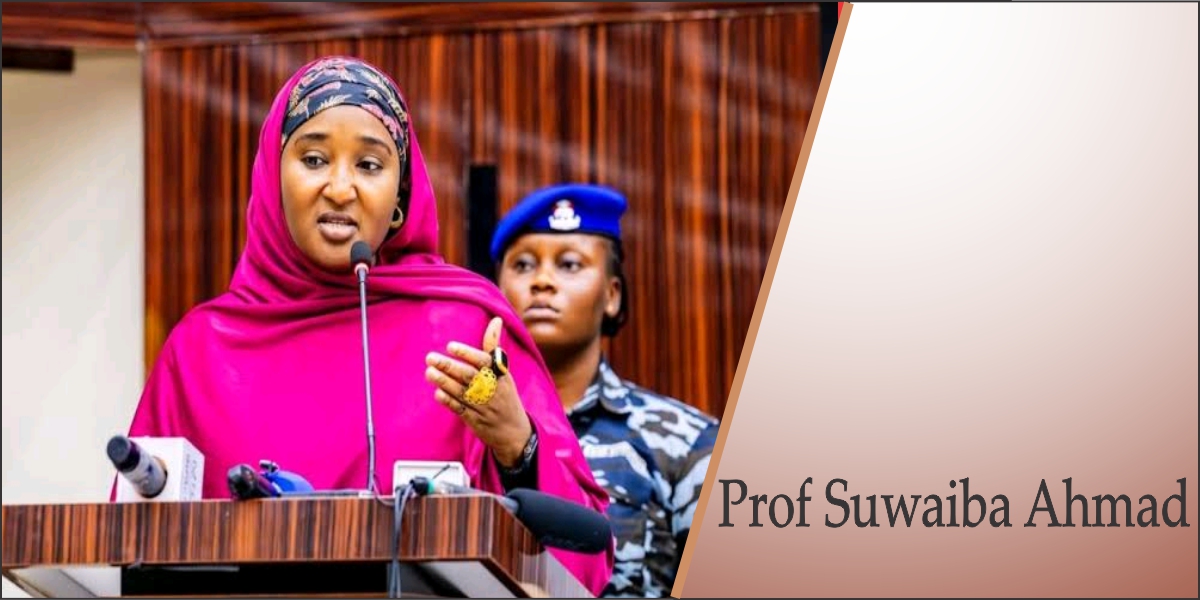
Education Minister Tunji Alausa, represented by Minister of State for Education Prof Suwaiba Ahmad, announced the changes at the 2025 International Conference of the African Curriculum Association in Abuja. He said the reforms were designed to equip young people with 21st-century skills, including digital literacy, robotics and artificial intelligence.
The Nigerian Educational Research and Development Council (NERDC), which developed the new curriculum with other education bodies, said the review had been completed for basic education and was nearing completion for senior secondary schools.
The framework also revises subject loads across levels: pupils in Primary 1–3 will take 9–10 subjects, those in Primary 4–6 up to 12, junior secondary 12–14, senior secondary 8–9, and technical schools 9–11. Officials stated that the new curriculum would be implemented soon across schools nationwide.