The Federal Government’s contrasting responses to recent industrial actions are reigniting debate about Nigeria’s national priorities — and whether education is being treated as a second-tier concern.
On Monday, the government ordered vice-chancellors of federal universities to enforce the “no work, no pay” policy against members of the Academic Staff Union of Universities (ASUU), who are currently on a two-week strike over unmet demands.
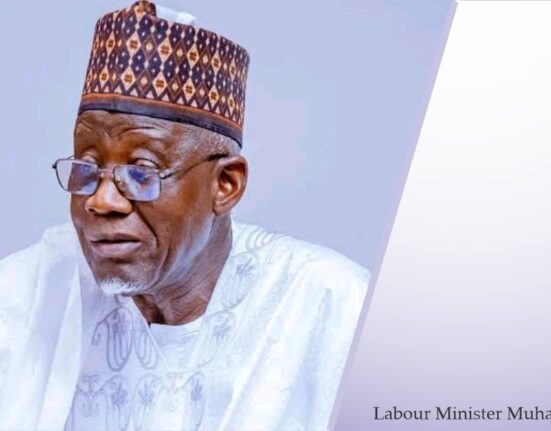
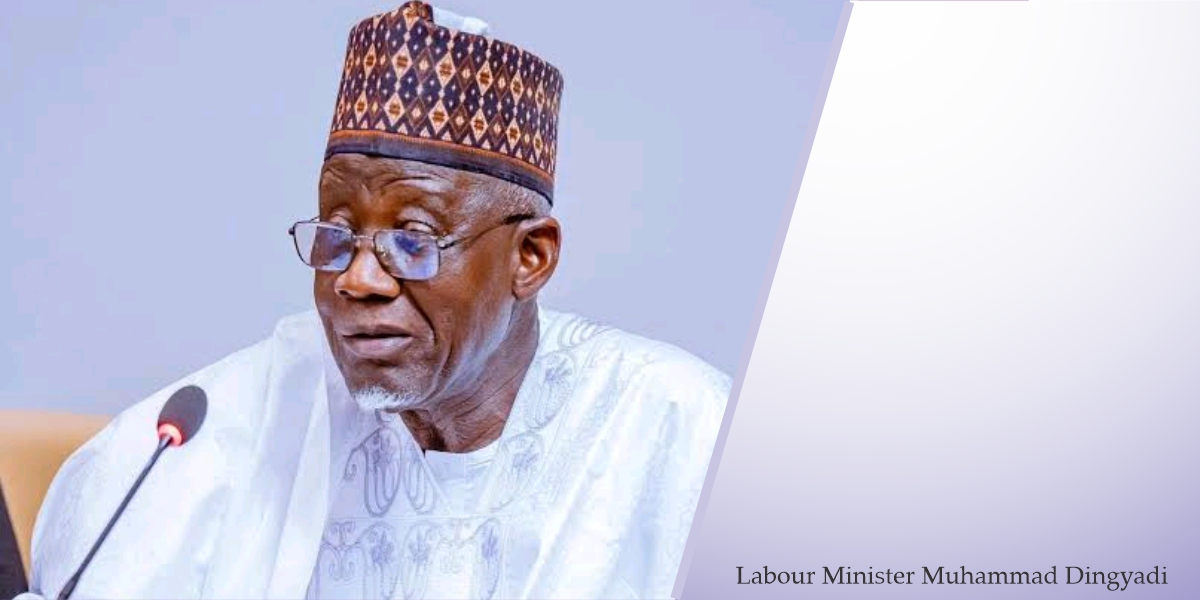
However, just last month, when oil workers under the Petroleum and Natural Gas Senior Staff Association of Nigeria (PENGASSAN) threatened to down tools, the government moved swiftly to negotiate, avoiding a shutdown. During that engagement, Labour Minister Muhammad Dingyadi described PENGASSAN as “peaceful partners” and stressed the need to avert any disruption to the economy. The contrast in tone has not gone unnoticed.
Education consultant Jessica Osuere said the difference shows “where the government’s value system lies.” She argued that while oil unions hold economic leverage, “ASUU members, bound by the civil service system, are easier targets for coercion.”
Ada Obinna said the varying responses may reflect “economic realities and public pressure,” but acknowledged that the approach “creates a perception of inconsistency.” Parents and educators, however, see it as a deeper issue. “Oil strikes hit government revenue immediately, but education strikes only hurt in the long term — and that is the tragedy,” said parent Mercy Oyingbo
Critics warn that the government’s hard line against lecturers could signal a broader shift toward enforcing compliance across sectors. Still, many insist the real problem lies in how Nigeria values its future. “Education is treated as expenditure, not investment. That is why we keep repeating this cycle,” Oyingbo said.