Nigerians are witnessing a new wave of changes in the education sector as the Federal Ministry of Education implements reforms under the government’s Renewed Hope agenda. The focus is straightforward: only qualified teachers will be permitted to teach, and every child must be instructed by professionals.
One of the key moves is that all teachers must now register with the Teachers Registration Council of Nigeria (TRCN) before they can practice. TRCN will handle regulation and licensing, while the National Teachers’ Institute (NTI) will focus on training and retraining teachers, even at the community level.
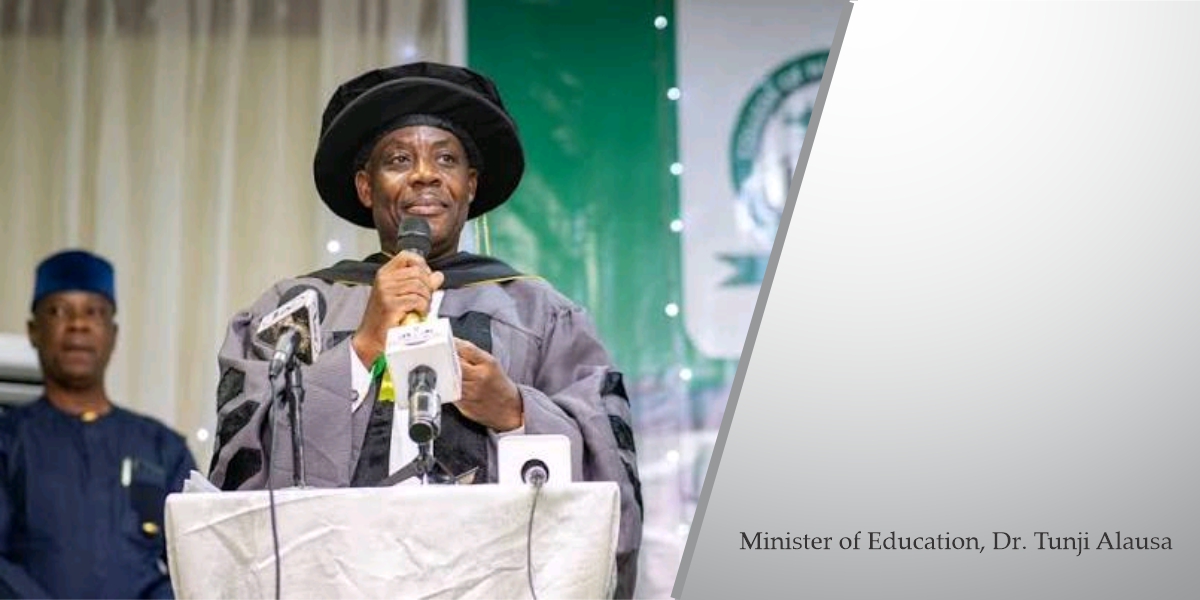
“The era of unqualified teaching is over,” said Dr. Marauf Alausa, Minister of Education. “Any school without certified teachers will no longer serve as an examination centre. We want the best for Nigerian children.” Many teachers and parents have welcomed the move. Mrs. Grace Okeke, a teacher in Enugu, said it will raise the value of teaching and push teachers to upgrade their skills. A parent, Mr Chijioke Eze, added that the reforms give him confidence that his children will now receive better quality education.
Experts also agree that the reforms could change the system for good. Prof. Adebayo Adeniran of the University of Lagos explained that certified and well-trained teachers will directly improve student performance. He said the plan could mark a turning point for Nigeria’s schools. The NTI will also make training easier for teachers in rural areas by offering community-based programmes so they do not have to leave their jobs to learn.
Countries like Singapore and Finland, where strict teacher licensing has boosted education, are being used as examples of what Nigeria could achieve if the plan works well.
Though challenges like compliance and monitoring remain, these have not dampened the hopes of stakeholders that something good is on the horizon for Nigeria’s education. For the first time in years, there is a clear plan that connects teacher quality with student success.
If these reforms are given the needed support, then Nigeria’s educational system may be stepping into a new era — one where professionalism, accountability, and better learning outcomes take centre stage.