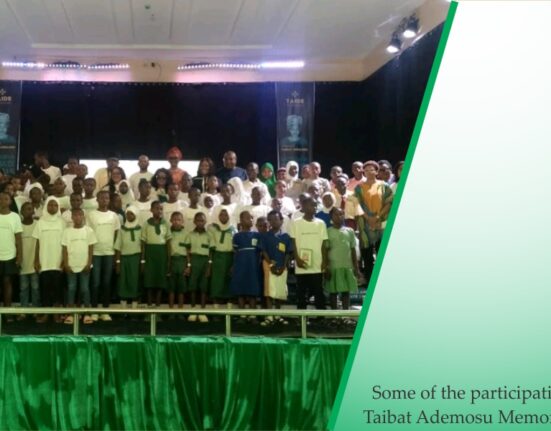
A total of 500 students from polytechnics across South-West Nigeria have commenced a Compressed Natural Gas (CNG) conversion training programme in Lagos.
The initiative, organised by the Mojisola Olayinka Fatungase Oedema (MOFE) Foundation in collaboration with the South-West Zone of the National Association of Polytechnic Students (NAPS), is themed “The Future of CNG in Nigeria: Empowering a Sustainable Tomorrow.”
At the flag-off ceremony held at Yaba College of Technology, Lagos State Commissioner for Transportation, Mr Oluwaseun Osiyemi, emphasised the environmental benefits of adopting cleaner alternative fuels such as CNG.
He noted that CNG is environmentally friendly, emits fewer pollutants than petrol or diesel, and contributes significantly to reducing greenhouse gas emissions, thereby supporting Nigeria’s climate action objectives.
Mr Osiyemi described the CNG conversion programme as a strategic initiative designed to promote sustainable energy practices while equipping the next generation of engineers with practical knowledge.
He commended the organisers for their foresight and encouraged the students to engage thoroughly with the training. Participants are to undergo a one-month practical course delivered by industry experts, upon completion of which certificates will be awarded.
In her keynote address, the immediate National Chairman of NAPS, Engr. Mrs Funmilade Akingbagbohun highlighted the programme’s dual impact on youth empowerment and environmental sustainability. She observed that utilising Nigeria’s domestic natural gas reserves reduces reliance on imported petroleum products, conserves foreign exchange, and enhances energy security.
She further explained that CNG is often more cost-effective than traditional fuels and that a thriving CNG conversion and maintenance sector could generate thousands of skilled jobs, fostering economic growth and empowering young Nigerians.
“By equipping 500 talented polytechnic students with specialised knowledge and practical skills in CNG technology, we are laying a strong foundation for the future of this industry in Nigeria. You, the trainees, are not just learning a trade – you are becoming pioneers in a movement that will shape a sustainable tomorrow,” she said.