
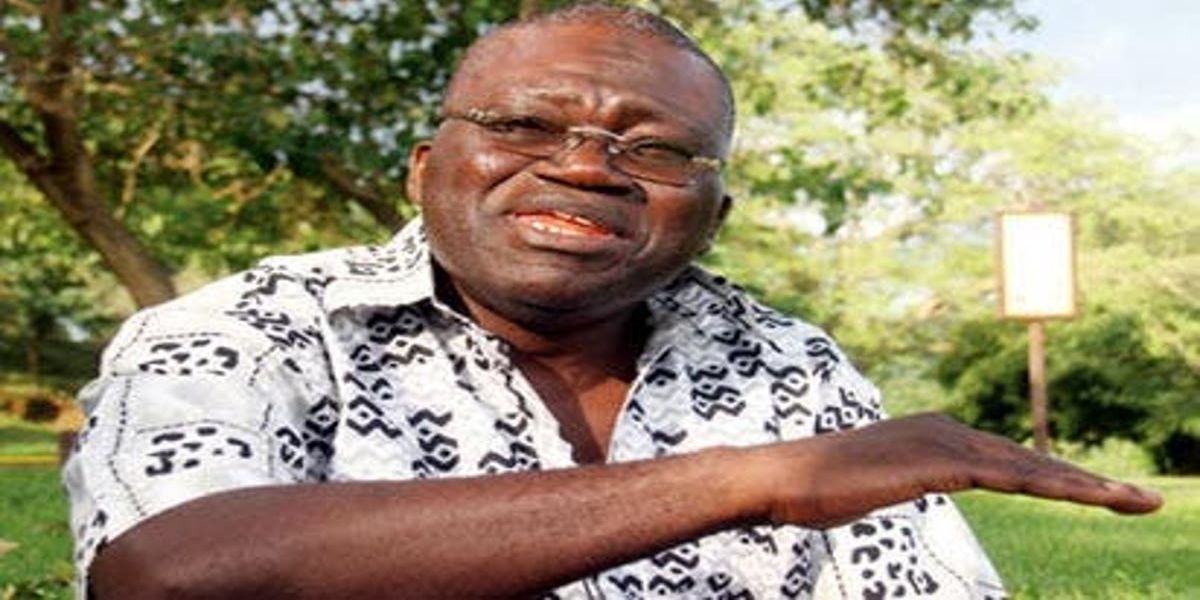
Tensions have intensified at the Michael Imoudu National Institute for Labour Studies (MINILS) in Ilorin, as staff members remain adamant in their rejection of Comrade Issa Aremu’s reappointment as Director-General. Their defiance continues despite direct intervention from the Federal Government, including an appeal by the Minister to restore order.
On Thursday, the Minister of State for Labour and Employment, Hon. Nkiruka Onyejeocha, paid a surprise visit to the institute’s campus in a bid to mediate the standoff.
However, her appeal for calm and dialogue was met with open resistance as aggrieved workers, who had shut down the facility since Tuesday, refused to allow Aremu access to the premises, even in the minister’s company. The dramatic scene underscores a broader power struggle within the Ministry of Labour and Employment, highlighting deep concerns over leadership accountability and weak oversight in federal labour institutions. For more than four hours, Onyejeocha engaged members of the Joint Action Committee (JAC), which comprises the Academic Staff Union of Research Institutes (ASURI), the Senior Staff Association of Universities, Teaching Hospitals, Research Institutes and Associated Institutions (SSAUTHRAI), and the Non-Academic Staff Union of Educational and Associated Institutions (NASU).
However, efforts to calm the unrest failed, as union leaders stood their ground, reiterating a list of serious allegations against the embattled DG. Workers accused Aremu of mismanaging the institute, creating a hostile work environment, diverting resources, and using security operatives in Kwara State to harass union leaders. They further claimed that despite the expiration of his tenure on May 17, Aremu has continued to present himself as DG, attend official events, and use institute properties, including vehicle plates, without official backing.
In a protest letter dated June 2 and addressed to the Ministry, the unions described the attempt to reinstate Aremu as “a malicious media blitz,” aimed at misleading the public and blackmailing the Ministry. They warned that allowing him to resume could damage the institute’s credibility and inflame existing tension. Further heightening tension, union leaders accused Aremu of sowing ethnic and religious divisions within the institute, making the situation not just a matter of administration but also of institutional security and cohesion.
While Onyejeocha admitted that the Ministry’s oversight had been weak—an admission seen as significant- she promised a more robust supervisory role. She announced plans for a high-powered probe panel to investigate the allegations against Aremu. Nonetheless, the workers remained unmoved. Although Aremu was permitted to enter the institute’s premises in the minister’s convoy, he was not allowed to resume his duties. Shortly after the visit, workers seized the official vehicle assigned to him and maintained the lockdown of the campus.
The workers had made five demands, including formal confirmation that Aremu’s tenure had ended, an order stopping him from acting as DG, retrieval of all the institute’s properties in his possession, placing him on the security watch list, and an unambiguous assurance that he would not be reinstated. The prolonged standoff now threatens to paralyse key operations of the institute, which is mandated to provide research and training for labour policy development and industrial relations in Nigeria. It also casts a shadow over internal cohesion within the Ministry of Labour and Employment, especially under the watch of Minister Muhammadu Maigari Dingyadi, who has yet to address the crisis publicly.
The union’s petition had been escalated to the Presidency, the Secretary to the Government of the Federation, and key security agencies, suggesting a deepening confrontation that could soon require executive intervention. Analysts warn that the longer the Federal Government delays in resolving the issue, the greater the risk to institutional credibility, worker morale, and policy continuity in the labour sector. As the deadlock persists, MINILS has become a litmus test for the Federal Government’s ability to manage internal labour disputes, uphold due process, and restore order in critical national institutions.
Leave feedback about this