
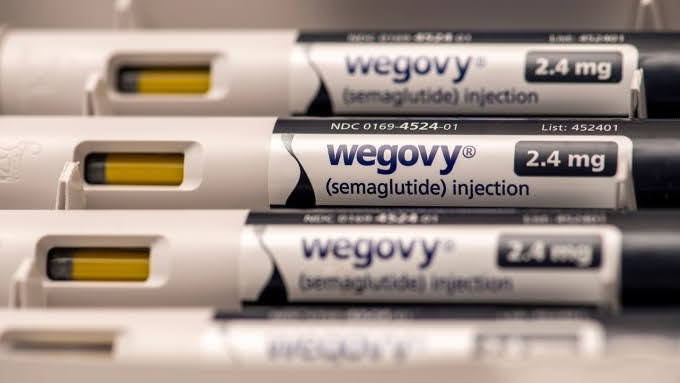
A recent international clinical trial has revealed that semaglutide, a medication commonly used to treat diabetes and help with weight loss, could also be effective in treating a serious type of fatty liver disease known as metabolic dysfunction-associated steatohepatitis (MASH). This condition, which causes fat buildup, inflammation, and scarring in the liver, affects millions worldwide and currently has limited treatment options.
The study involved over 800 adult participants with MASH from 37 countries. For 72 weeks, 534 participants received weekly injections of 2.4 mg semaglutide, while 266 received a placebo. All participants were monitored closely with liver biopsies and standard care treatments. Many of the participants also had type 2 diabetes and obesity, conditions that often worsen liver health. Results showed that nearly 63 per cent of those treated with semaglutide experienced a resolution of liver inflammation without worsening of fibrosis, compared to just 34 per cent in the placebo group.
Moreover, approximately 37 per cent of semaglutide users experienced an improvement in liver scarring, compared to 22 per cent in the placebo group. The drug also helped participants lose an average of 10.5 per cent of their body weight, a benefit that experts believe contributed to improvements in their liver function. Despite more reports of mild side effects like nausea and constipation in the semaglutide group, no new safety concerns emerged during the trial.
Researchers caution that the study had a limited number of Black and lean participants and is ongoing to determine long-term effects, including survival without liver cirrhosis.
Experts say this discovery offers a promising new treatment option for MASH patients and states the importance of addressing obesity and metabolic problems to improve liver health. For many Nigerians facing rising rates of diabetes, obesity, and liver diseases, semaglutide could represent a significant breakthrough.
Leave feedback about this