
A new article published in the Journal of Oral Health & Dental Science proposes a groundbreaking strategy to help African and other developing countries quickly and affordably move away from the use of mercury in dental treatments.
The strategy, known as “leapfrogging,” aims to accelerate the implementation of the Children’s Amendment to the Minamata Convention on Mercury, which mandates the cessation of mercury-containing dental fillings for children, pregnant women, and breastfeeding mothers.
This amendment officially came into force on September 28 2023, and is now mandatory for all 152 countries that are parties to the Convention.
The lead author, Professor Godwin Arotiba, founder of Dentists for a Mercury-Free Africa and former Dean of the Lagos University Teaching Hospital (LUTH), collaborated with fellow academics and NGO leaders from Nigeria and Cameroon to develop the strategy.
Professor Arotiba explained that “leapfrogging” involves bypassing traditional, slower policy processes in favour of quicker, more innovative solutions.
This includes updating dental school curricula, reforming health insurance policies to support mercury-free alternatives, retraining dental professionals through conferences and workshops, and applying a WHO-aligned approach called the “II-PPP-BPOC” framework, which focuses on integration, prevention, promotion, and partnerships.
According to the study, the leapfrogging model is not only relevant to low-income nations with weak waste management systems but can also be beneficial for developed countries with underserved communities or those seeking to reduce healthcare costs.
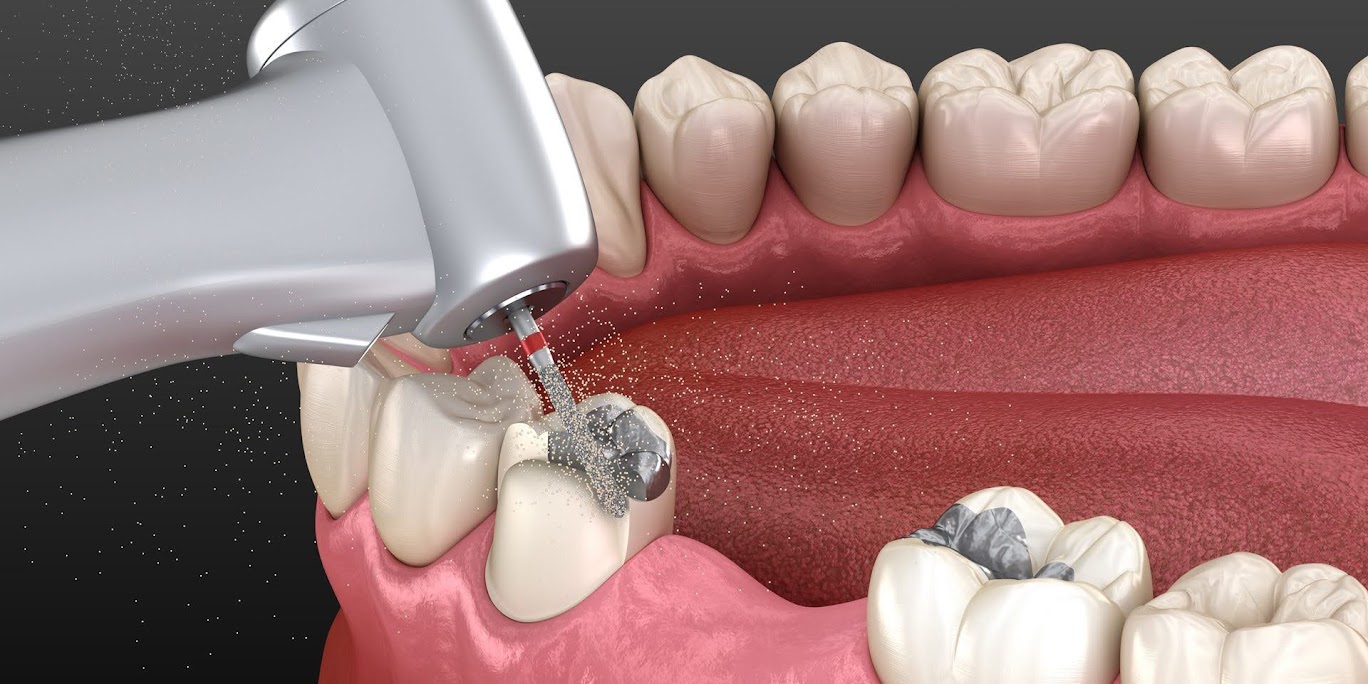
The authors stress that poverty should not be used as a justification for continuing the use of dental amalgam, which contains 45–55% mercury, a substance known to pose serious environmental and health risks.
They point out that in Sub-Saharan Africa, 35% of diseases have been linked to environmental pollution, significantly higher than the global average of 25%.
Professor Arotiba urged swift adoption of this model to achieve mercury-free dentistry by 2030, noting that efforts have been ongoing since 2014.
The paper concludes that leapfrogging is a realistic, desirable, and achievable approach for countries seeking to meet the goals of the Children’s Amendment while also protecting vulnerable populations and the environment.
Leave feedback about this