
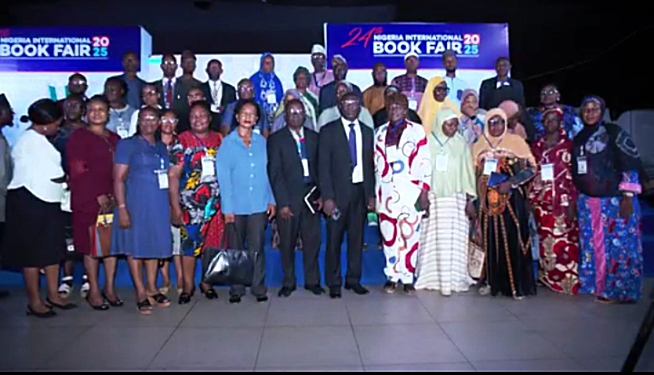
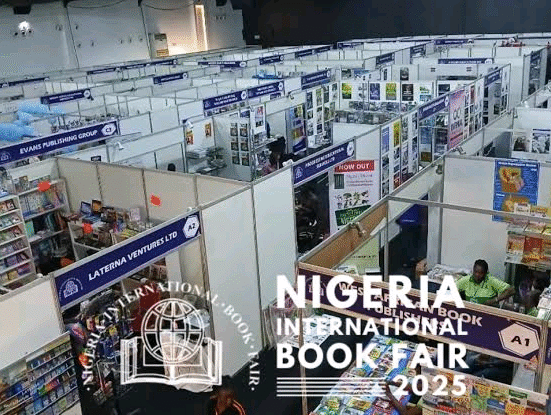
The 24th Nigeria International Book Fair (NIBF) commenced on Wednesday, May 7, 2025, at the Balmoral Convention Centre, Sheraton Hotel, Ikeja, Lagos.
The three-day event, organised by the Nigerian Book Fair Trust (NBFT), aims to address Nigeria’s educational challenges and stimulate economic development by promoting local paper production and affordable book publishing.
This year’s theme, “Local Paper Production: Panacea to Affordable Book Production and Qualitative Education,” focuses on revitalising Nigeria’s paper industry to reduce book production costs, thereby making educational materials more accessible to students across the country.
The initiative seeks to combat the high cost of books, which has been a significant barrier to education for many Nigerian children.
Key speakers at the fair include Professor Abiodun Oluwadare, Segun Ajayi-Kadir, and Rogers Nforgwei, who are expected to share insights on boosting local publishing, job creation, and improving learning nationwide.
Their discussions will centre on practical solutions to enhance the book ecosystem and support Nigeria’s educational infrastructure.
The fair comes at a critical time, following reports that many students scored below 200 in the 2025 Unified Tertiary Matriculation Examination (UTME).
Organisers of NIBF hope that the event will lead to actionable strategies to address these challenges and promote literacy.
Last year’s fair generated over ₦200 million book sales, underscoring its economic impact.
This year, stakeholders across Africa and beyond are attending to explore partnerships and promote African literature and education.
The event also features a Tertiary Education Summit, focusing on “Overcoming the Global Competitiveness Challenge in Nigeria’s Tertiary Education Landscape,” aiming to address issues such as brain drain and the need for policy reforms in higher education.
With the support of government officials, educators, and industry leaders, NIBF 2025 aspires to be a catalyst for change in Nigeria’s education sector, fostering a culture of reading and learning that can drive national development.
Leave feedback about this