

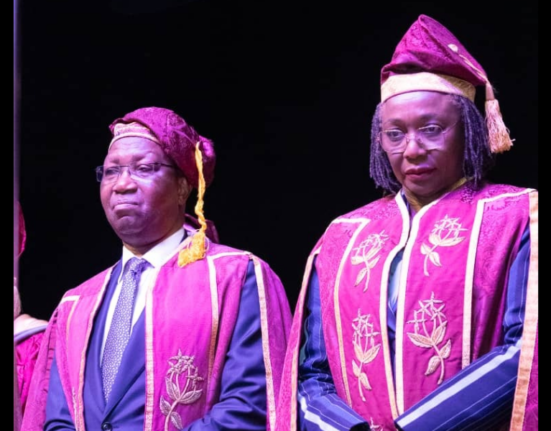
Prof. Folasade Ogunshola, Vice-Chancellor, UNILAG
UNILAG’s Vision Offers a Blueprint
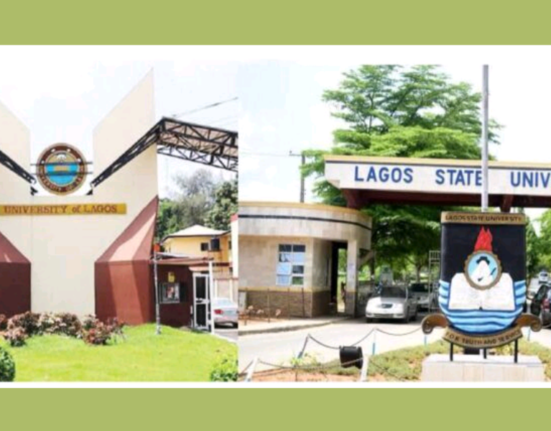
One question that has long lingered in academia and elsewhere is whether Nigerian universities can truly compete on the global stage. The answer to that question is far from straightforward. However, at the University of Lagos, the answer is no longer merely an aspiration—it is becoming a deliberate strategy, shaped by research, partnerships, and a shift in mindset.
At the maiden dinner with the Corporate World organised by the UNILAG Alumni Association, Vice-Chancellor Prof. Folasade Ogunshola made a passionate case for a new kind of university—one that is research-driven, innovation-led, and deeply connected to its external environment. According to her, global competitiveness is not achieved by wishful thinking but by building strong systems and alliances.
“Modern universities cannot thrive in isolation,” she noted, stressing that global relevance now depends on how well academia collaborates with industry, alumni, and multilateral partners. For UNILAG, this means strengthening ties with international institutions, deepening engagement with bodies such as the UN, the World Bank, and other multilateral agencies, and prioritising innovation through centres such as the Entrepreneurship and Skills Development hub.
Experts say this approach is timely. Dr Akintoye Akindele, Chairman of Platform Capital, argued that Nigerian universities must think beyond classrooms and embrace industry-backed problem-solving. He believes that global competitiveness arises when universities produce graduates who can translate knowledge into tangible solutions. His own partnership with UNILAG Business School, which includes infrastructure support and capacity building, reflects this philosophy.
Infrastructure also plays a critical role in UNILAG’s global vision. Prof. Ogunshola highlights ongoing renewal projects to improve learning, research, and residential environments. Education specialists who attended the event noted that universities with modern facilities attract stronger research funding, better collaborations, and a more internationalised student community.
Nevertheless, UNILAG understands that facilities alone are not enough. Alumni engagement, according to Lagos Branch Chairman Comrade Owoeye Adedeji, is now central to the institution’s growth. He described the dinner as a bridge between “the gown and the town,” explaining that alumni networks can drive mentorship, internships, academic funding, and innovation clusters—factors that global university rankings increasingly measure.
Stakeholders at the event agreed on one thing: Nigerian universities can compete globally, but only if they adopt UNILAG’s emerging blueprint—research-driven education, strong industry partnerships, robust alumni networks, and consistent collaboration with multilateral organisations.
The journey may be long, but as UNILAG’s recent momentum shows, Nigeria is not without a map.



Leave feedback about this