
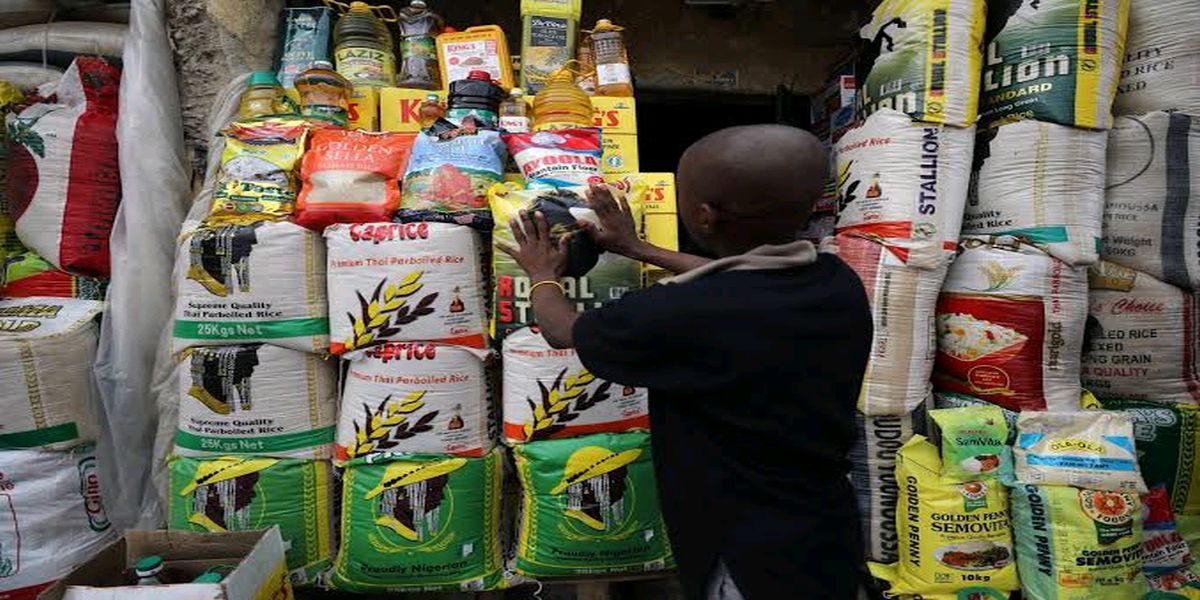
Rice has become one of the most important foods in Nigeria. From weddings to Christmas celebrations, Sunday lunch to burial ceremonies, rice is always present on the table. However, despite many government programmes and billions of naira invested, the country still cannot produce enough rice to feed its people.
In Ekoi Atan Ubom village, Ini Local Government of Akwa Ibom State, a young farmer, Ndianaabasi Innocent, knows this struggle well. During the last farming season, he invested almost ₦400,000 to cultivate four plots of rice. Nevertheless, the investment was a waste because of poor rainfall and scorching sun, which destroyed half of his farm. The soil that once retained water could not cope, and his expected harvest ended in disappointment.
This story is not just peculiar to Ndianaabasi, as it affects many rice farmers across Nigeria. Experts have blamed it on climate change, which has made farming unpredictable. Rainfall patterns have changed, temperatures are rising, and most farmers lack irrigation and modern equipment to protect their crops. Every year, many farmers lose their investment.
Meanwhile, demand for rice in Nigeria continues to increase. Last year, domestic rice production reached about 5.2 million metric tonnes, but it was still not enough as Nigerians consumed nearly 7.6 million tonnes. The implication is that as much as 2.4 million tonnes needed to be imported. The heavy import bill puts pressure on the country’s dwindling foreign exchange, while consumers face soaring prices. Today, a 50kg bag of local rice sells for about ₦70,000, almost the same as imported rice.
The government has made several attempts since the 1970s, from seed projects to research institutes, and most recently the Anchor Borrowers Programme. However, farmers insist that the impact has been limited. Many say loans and support do not get to real farmers, while others blame mismanagement and political interference. Even the ₦1 trillion Anchor Borrowers Fund is currently under probe.
Farmers in Ebonyi and Akwa Ibom also face problems of land clearing, high labour costs, pests, and poor transportation. Swampy farmlands require machines, but many cannot afford them. Transport costs have also tripled since the removal of fuel subsidies.
Experts believe solutions are possible: large-scale mechanised farming, affordable fertiliser, improved seedlings, and better rural roads. Until these are achieved, however, Nigeria will continue to import rice and ordinary families will keep struggling to afford their favourite staple.
Leave feedback about this