
Education experts and human rights groups are deeply concerned about the impact on students in Nigeria due to issues with major examinations. They claim that these issues are jeopardising the future of many students and denying them their right to a quality education.
Examinations like JAMB and WAEC are supposed to help students move to higher institutions. However, these examinations are now plagued by numerous problems—technical errors, missing results, last-minute changes to examination timetables, poor examination conditions, and more. These problems are not just making students angry—they are also causing deep pain. In one unfortunate story, a student took her own life after scoring low in JAMB because of a technical mistake. “Examinations are meant to test knowledge fairly, but when the system is broken, it becomes unfair and hurts students,” said Vincent Ezeme, a lecturer at Legacy University in Anambra.
The International Human Rights Commission (IHRC) also condemned WAEC’s recent conduct. They called it a clear violation of students’ rights. Their report on the 2025 WAEC examinations revealed a high number of failures, missing papers, technical issues, and stress resulting from last-minute changes to the examination timetable.
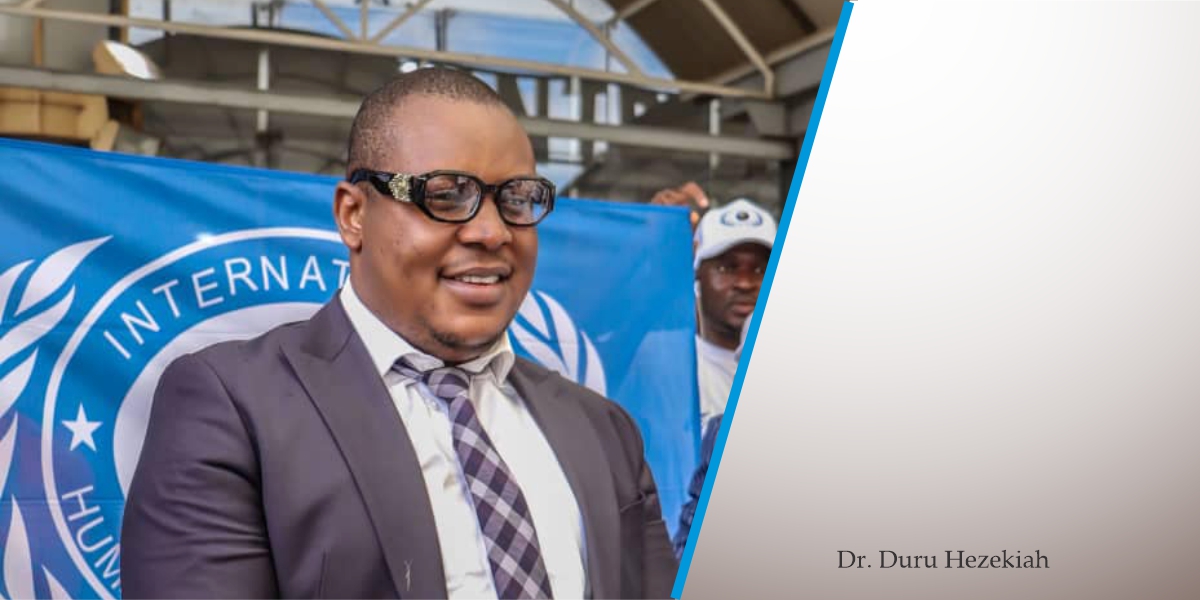
In a letter to the Federal Ministry of Education, the IHRC requested that the government investigate the incident, compensate the affected students, and reform the examination system to make it more transparent and fair. “Just saying sorry is not enough,” said Dr. Duru Hezekiah, IHRC’s Nigeria Representative. “This is more than poor management—it is a serious injustice to thousands of students.”
One shocking incident that drew national attention was when some students had to write their WAEC examinations at night using torchlights because there was no power. Comfort Michael-Sule, an author and education activist, called it a “national shame.” He added, “We cannot talk about education progress if students are writing examinations in the dark.” He suggested that schools be equipped with solar power and that proper checks be conducted at all examination centres.
UNICEF and the World Bank have both stated that education is a fundamental human right and a crucial factor in a country’s development and growth. However, in Nigeria, with over 10.5 million children out of school—especially in the North—and examinations filled with errors, the system is struggling. “All children, no matter where they come from, deserve a fair chance at education,” UNICEF said.
Experts believe that corruption, poor planning, and a lack of seriousness on the part of the government are contributing factors to the problem. Public affairs analyst Ade Adesokan said the solution is not just about more money, but about better utilisation of what is already available. “Nigeria does not need more funds—it needs to manage what it has properly,” he said. With more students failing examinations, more complaints, and even cases of suicide, many are calling for urgent changes. Without serious reform, they warn, the future of Nigeria’s education system and its young people is in danger.

Leave feedback about this