
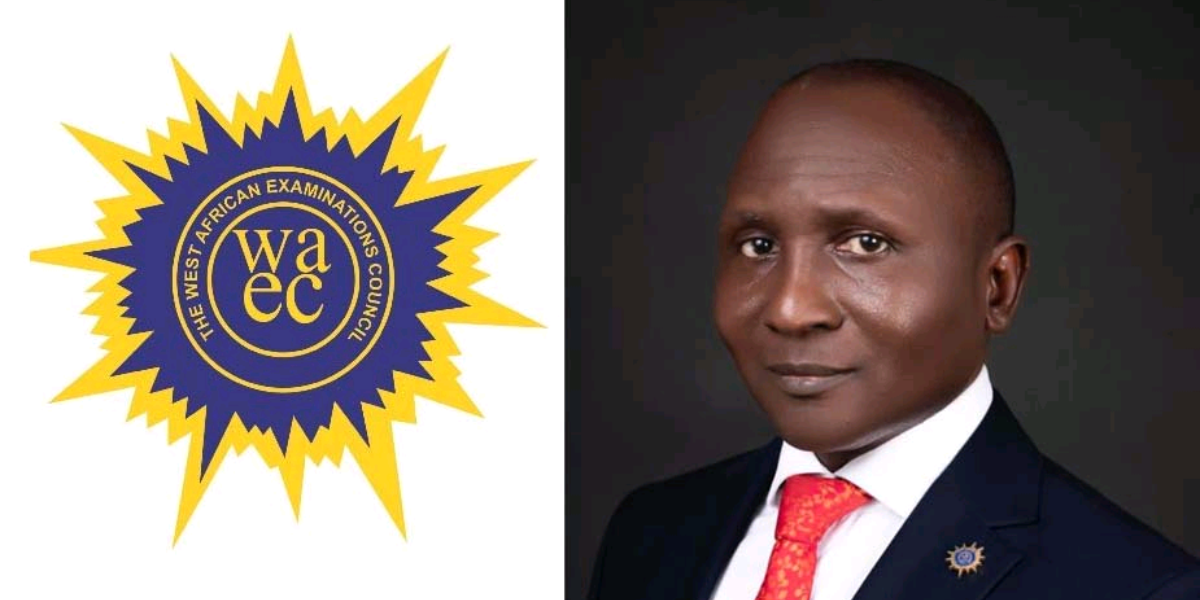
Dr. Amos Dangut, WAEC’s Head of National Office.jpg
Nigeria came dangerously close to another education crisis this week, after the Senate halted the sudden rollout of new WAEC guidelines that would have reshaped the 2026 Senior Secondary Certificate Examination. In what appeared to be an emergency rescue operation, lawmakers summoned the Minister of Education, Dr Tunji Alausa, and the Head of the WAEC National Office, Dr Amos Dangut, demanding explanations for what many described as a “policy ambush.”
At the heart of the uproar is a simple but troubling question: why did WAEC attempt to implement a new curriculum immediately, despite earlier promises that the changes would take effect in 2027 or 2028?
For Senator Sunday Karimi, who raised the motion, the move was nothing short of catastrophic. He warned that removing subjects such as Computer Studies, Civic Education, and several trade subjects would leave students with only six examinable subjects—far below WAEC’s requirement of eight or nine. The implication is clear: students would be required to take new subjects they have never been taught, just months before their exams. In Karimi’s words, “This is how mass failure begins.”
The Senate’s fear of a looming mass-failure crisis is well-founded. Teachers were not trained. Classrooms had not been adjusted. No new materials were provided. However, WAEC expected students to sit for completely restructured exams in May/June 2026.
While lawmakers openly admit that the country needed curriculum reform, they insist that such reforms must be phased, predictable and humane.
Voices like Senator Adams Oshiomhole added another dimension: the culture of abrupt policymaking in Nigeria. He criticised what he called the country’s “habitual rush to implement ideas without groundwork,” questioning whether schools even have the teachers or laboratories needed for the new subjects.
Senator Idiat Adebule, a former education commissioner and deputy governor, raised a governance concern: Why was the National Council on Education bypassed? Traditionally, no significant curriculum change is approved without the consent of all 36 state commissioners.
Ultimately, the Senate’s swift intervention signals growing impatience with poorly considered educational changes. By ordering a probe and putting the plan on hold, lawmakers may have saved the country from another round of confusion—and given WAEC a chance to rethink how reforms should truly work in a fragile education system.






Leave feedback about this