
It is no longer news that the 2025 Unified Tertiary Matriculation Examination (UTME), conducted by the Joint Admissions and Matriculation Board (JAMB), was marred by technical hitches in many centres. Nevertheless, what many people did not realise is that the flaws were primarily a result of a calculated cyber-attack by a nationwide syndicate.
A recent report by one of Nigeria’s leading newspapers shows that this was more than mere technical glitches. It was the planned work of a nationwide syndicate that was all out to mar the examination and embarrass JAMB.
The syndicate also had a financial motive for their crime as they turned Nigeria’s most important university entrance examination into a multi-million-naira racket.
According to reports, the hackers, located in cities such as Abuja, Lagos, Kano, and Benin, operated discreetly in cafes, private homes, and hidden “special centres.” With high-grade laptops, routers, and malicious software, they launched an attack on JAMB’s computer-based testing (CBT) system.
They were determined to breach JAMB’s digital infrastructure during the examination, and their efforts paid off.
They did this by creating custom software that could access the examination platform from any location. Afterwards, they installed powerful routers very close to selected CBT centres.
These allowed them to secretly breach JAMB’s systems and have unrestricted access to view live questions and answers, which they then transmitted to candidates who paid for their services. All of these happened in real-time.
However, there was a flaw. The software was not perfect. It sometimes mismatched answers with questions, causing a wave of incorrect submissions and widespread failure, especially for candidates who had not paid for the “premium service.”
This was not a petty crime. It was a full-blown industry as desperate parents paid between N700,000 and N2 million to secure high scores for their children. Candidates were promised over 300 marks — enough to gain admission into Nigeria’s top universities.
“Most of them do not even study,” said a whistleblower who worked briefly with one of the special centres in Delta State. “Their parents just want results, and they are willing to pay. We had more than 80 candidates this year.”
Sources close to the investigation revealed that the syndicate’s masterminds include owners of private schools and tutorial centres across Lagos, Anambra, Edo, and Kano. Many of them operate under the guise of legitimate educational institutions while running sophisticated networks that facilitate examination fraud.
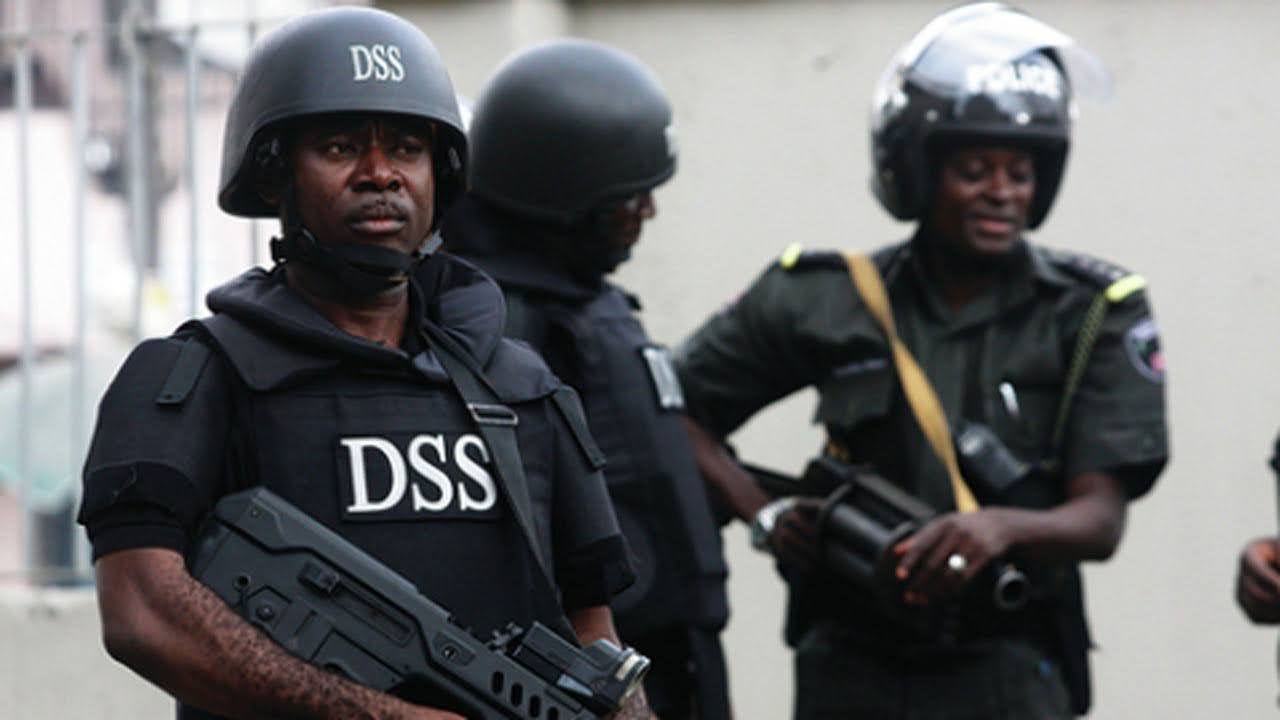
Security agents from the DSS and Police say the hackers were not just in it for the money — they had a bigger plan.
“The goal was to discredit JAMB’s CBT model,” one intelligence officer told Business Day. “They fear that if WAEC and NECO also adopt CBT, their business will die. So they wanted to make it look like CBT is unreliable.”
The Department of State Services had been monitoring the syndicate for months. Using surveillance tools, agents tracked suspicious internet activity around CBT centres. The breakthrough came when over 20 members of the group were arrested in a coordinated raid in Abuja.
So far, no JAMB officials have been implicated; however, sources indicate that the investigation is ongoing.
“This syndicate is deeply connected,” said one official who asked not to be named. “They have been exploiting the system for years. We are only scratching the surface.”
Students who sat the UTME are now left confused and afraid.
“I studied so hard and still failed,” said Halimat, a 17-year-old from Kaduna. “I do not understand how my answers were all wrong. This is unfair.”
Teachers and parents are also furious.
“This crime is stealing the future of honest children,” said Mr Okonkwo, a secondary school principal in Awka. “It is time we expose and punish every single person involved — from the hacker to the parent who paid.”
Education experts are now calling for a comprehensive overhaul of the system, including improved digital infrastructure, enhanced firewalls, an ethical reorientation, and stricter penalties for examination fraud.
Others suggest Nigeria look to countries like Kenya and South Africa, where strict laws and modern cybersecurity systems back CBT.
This exposé has laid bare how greed, corruption, and desperation have created a black market around Nigeria’s education system. If unchecked, these criminals will not just rob students of admission — they will rob the country of its future.
As one DSS officer warned, “If we lose the integrity of our examinations, we lose everything.”





Leave feedback about this