
The Lagos State government has launched the full-scale digitisation of public primary and junior secondary schools, in partnership with the Universal Basic Education Commission (UBEC), to transform basic education through technology.
The event, held at Queen’s College, Yaba, marked Lagos State’s participation in a nationwide initiative by UBEC to integrate digital learning tools into classrooms and enhance teaching quality in public schools.
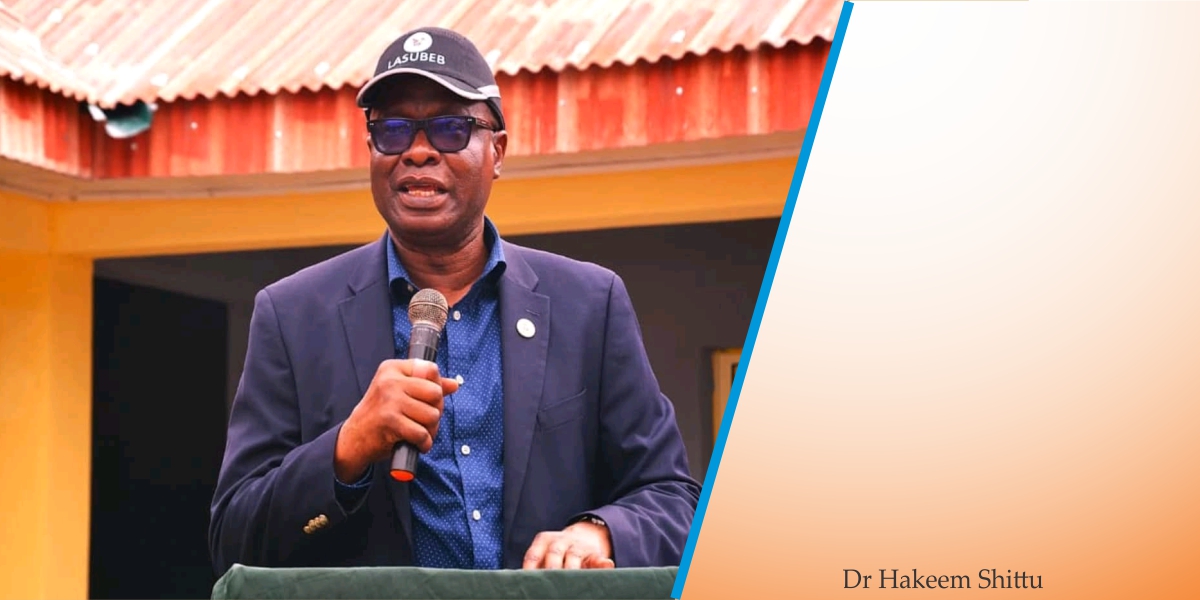
Speaking at the launch, the Executive Chairman of the Lagos State Universal Basic Education Board (LASUBEB), Dr Hakeem Shittu, described the project as a significant step towards equipping pupils with 21st-century skills.
He said the initiative aligns with President Bola Tinubu’s Renewed Hope Agenda and Governor Babajide Sanwo-Olu’s THEMES Plus policy, particularly under the education and technology pillar.
Dr Shittu noted that the success of the EKOEXCEL digital learning programme has positioned Lagos as a model for technology-driven education in Nigeria, adding that the new UBEC collaboration would build on the state’s existing infrastructure.
“We appreciate UBEC for this visionary partnership and assure the Commission of our continued collaboration towards the full realisation of this initiative across all Lagos public schools,” he said.
Commissioner for Basic and Secondary Education, Jamiu Tolani Alli-Balogun, said over 800 interactive smart boards had been distributed to schools nationwide, describing the move as a milestone in bridging the learning gap and ensuring equitable access to quality education.
“The introduction of interactive smart boards in our public schools will revolutionise the way teachers teach and students learn,” he said.
UBEC Executive Secretary, Aisha Garba, said the programme demonstrates the Commission’s commitment to ensuring that no child, teacher or school is left behind in the digital era.
“Learning now happens through digital content, interactive simulations and online collaboration,” she said. “To prepare our children for the realities of the 21st century, we must embrace technology-enabled education as a central pillar of our development strategy.”
Minister of Education, Dr Tunji Alausa, said the smart boards will allow teachers to integrate multimedia and digital textbooks into their lessons, describing the initiative as “the beginning of a new era in Nigerian education — one that is inclusive, data-driven and innovation-led.”

Leave feedback about this