
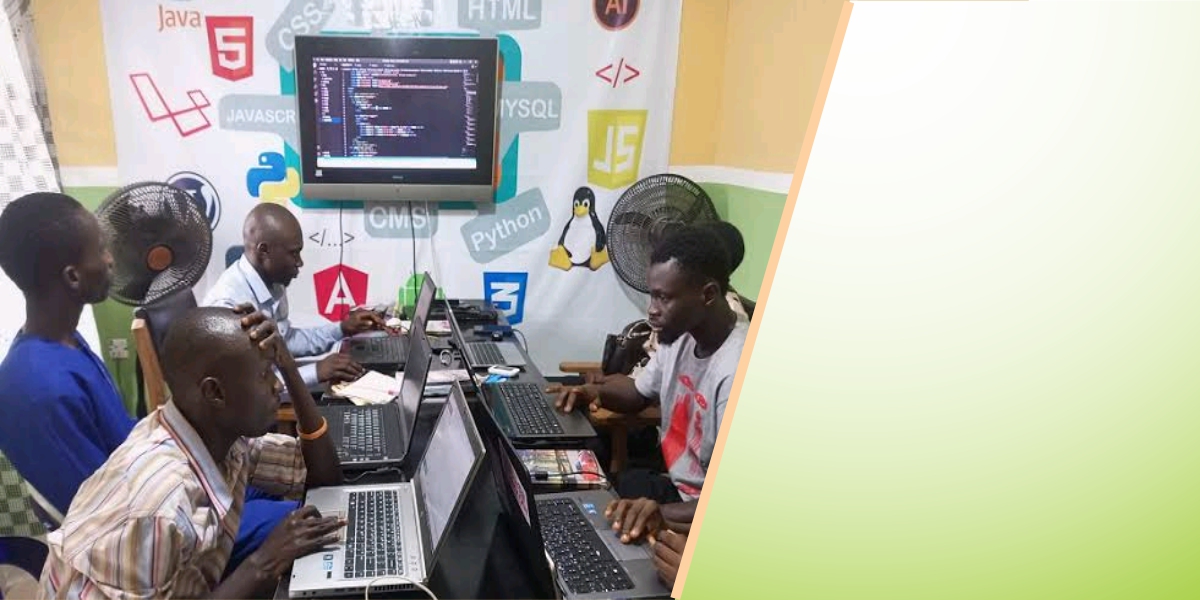
Artificial Intelligence (AI) is fast reshaping the world of work. Experts say it will not only change how we work but also create careers we cannot even imagine yet. Nevertheless, as the global AI wave gathers momentum, one big question remains: is Nigeria’s education system ready?
A new report by Cambridge University Press and Assessment warns that for Nigeria to thrive in the age of AI, schools must shift focus from grades to competencies. “If AI can replace us, then we are not teaching the right things,” the report stated, urging educators to focus on human skills like creativity, critical thinking, empathy, and ethics — the very things machines cannot do better.
According to the World Economic Forum, while about 85 million jobs may be displaced by AI globally, another 97 million new roles will emerge by 2025. That means today’s Nigerian students will likely work in jobs that do not exist yet — roles like AI ethicist, climate data analyst, robot psychologist, or virtual fashion designer.
However, the real challenge lies in Nigeria’s current school system, which is still heavily built around rote learning and examination success. “Our schools are preparing students for yesterday’s jobs, not tomorrow’s opportunities,” says human resource expert and career coach, Tolu Adediran. “Employers now look for problem-solvers, not paper certificates. The future of work is about adaptability.”
Startup founders also agree that the country must move from theory to practice. “We cannot keep producing graduates who know definitions but cannot solve real-world problems,” says Samuel Ojo, founder of Lagos-based edtech startup LearnForward. “If we start teaching coding, robotics, and design thinking in secondary schools today, Nigeria could become Africa’s innovation hub in ten years.”
Youth organisations are already taking small but bold steps. Groups like Tech4Naija and AI for Teens Africa are running free bootcamps that teach young people skills like data analysis, prompt engineering, and app development. “We are building Africa’s next generation of creators, not consumers,” says programme lead Mary Okeke.
Experts insist that the future belongs to countries that balance technology with humanity, adding that AI should not replace teachers; instead, it should empower them to nurture curiosity and collaborate.
If Nigeria begins this shift now — from memorising facts to mastering skills — then in 10 or 20 years, its young people will not just be job seekers in the AI era. They will be the job inventors.


Leave feedback about this