
Releaf Earth, a Nigerian climate-tech startup, has launched the country’s first industrial-scale biochar production facility in Iwuru, Cross River State.
The plant aims to remove 40,000 tonnes of carbon dioxide equivalent (CO₂e) by 2030, with plans to scale up to 100,000 tonnes through the addition of new facilities.
The facility utilises palm kernel shells, a byproduct of Releaf Earth’s nut processing operations, converting them into biochar through pyrolysis.
This process locks carbon into a stable form that can remain in the soil for thousands of years, preventing its release into the atmosphere.
Beyond carbon removal, applying biochar to farmland has improved soil quality, increased water retention, and enhanced nutrient efficiency.
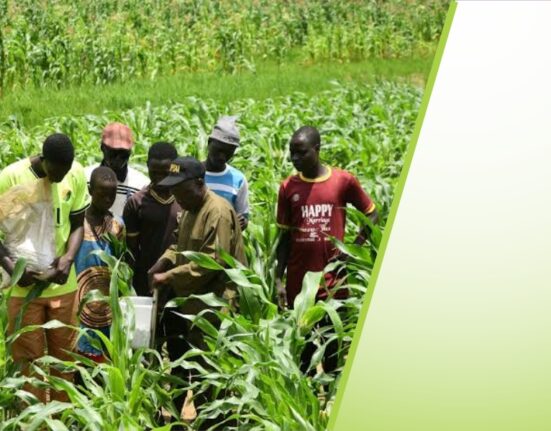
In field trials conducted in Cross River State in 2024, farmers reported a 23% increase in crop yields and an improvement in soil health.
Releaf Earth’s biochar production process is largely energy self-sufficient, powered by heat generated during pyrolysis and requiring minimal solar input.
This makes the system viable in off-grid rural areas, offering a practical solution for regions that lack reliable electricity but are rich in agricultural byproducts.
The company plans to certify its carbon removal credits through the Reverse Registry, ensuring transparency and integrity in the verification process.
These credits can provide additional revenue streams for smallholder farmers, potentially boosting their incomes by over 50%.
Releaf Earth’s initiative has garnered support from major investors, including Y Combinator, Breakthrough Energy Ventures, AirMiners, and Angaza Capital, positioning Nigeria as a leader in scalable carbon removal and sustainable agriculture solutions.


Leave feedback about this