
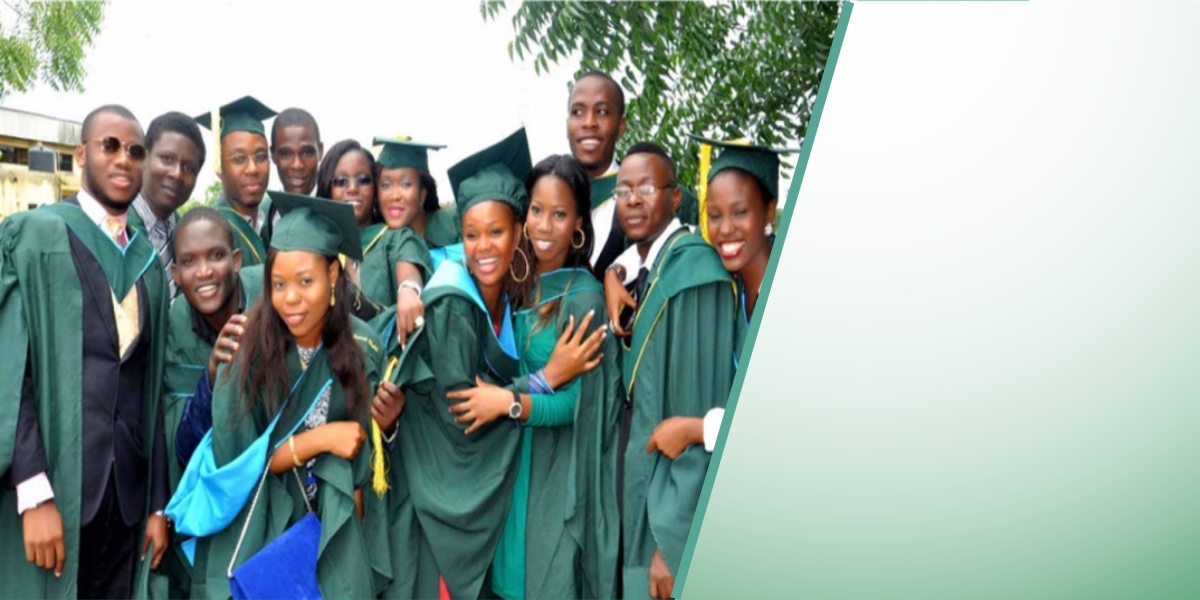
When Covenant University in Otta, Ogun State, was ranked the number one university in Nigeria by Times Higher Education 2025 ranking, many people clapped and said, “At last, private universities have arrived.” For years, people used to mock them as “glorified secondary schools.” Now they are topping the chart. Nevertheless, behind this joy, there is also a warning sign.
The ranking showed Covenant University ahead, while Ahmadu Bello University, Landmark University, University of Ibadan, and University of Lagos came second. However, even though Covenant was first in Nigeria, it only managed to sit in the 801–1000 category globally. That tells us something is wrong with our overall system.
Before now, many parents swore they would never take their children to private universities. Employers, too, did not take their graduates seriously. People felt the schools were only after money, not knowledge. But things have been changing, and public universities themselves are the reason.
Strikes are the biggest problem. Lecturers go on strike for months, sometimes almost a full year. In 2022, students in federal and state universities lost eight months to a strike. When lecturers resumed, non-academic staff also started their own. Sometimes students protest violently, and the schools close again. A four-year course can easily turn into a six-year commitment.
Facilities in public schools are another headache. Libraries have old books, labs are empty, classrooms are overcrowded, and hostels are like prisons. Imagine ten students sharing a room meant for four. Some even sleep on the floor.
Then there are stories of lecturers harassing or exploiting students. Female students especially complain about sex-for-marks. Others are forced to buy handouts. Admission too is filled with corruption. Candidates with higher scores are often ignored, while others with lower scores get in.
Parents also worry about the lifestyle in public schools – cultism, drugs, prostitution, rape, and violence. Nevertheless, in private universities, especially those run by churches, rules are strict. If you misbehave, you are sent home, and no parent wants to waste millions only to see their child expelled. This is why middle-class families are now sending their children to private universities. Those who cannot afford to send their kids abroad see them as the safer option. Employers are also beginning to respect their graduates. Once upon a time, people hid it. Today, they proudly say, “I graduated from a private university.”
Nevertheless, this progress carries a warning. The same thing happened in the past with primary and secondary schools. In the 70s and 80s, government schools were the pride of Nigeria. By the 90s, they had collapsed, and private schools took over. Today, only the poor attend public schools. That same fate is coming for public universities.
If nothing is done, in 10 years, only the children of the poor will remain in public universities. However, unlike in the past, private schools and universities don’t always provide the comprehensive training that produces well-rounded graduates. Many lack sports grounds or extracurricular activities. Nigeria discovered many of its best athletes in public schools, not private ones.
This is why the government must not abandon public universities. Both public and private must run together, side by side. That is the only way every Nigerian – rich or poor – can get a fair chance at a good education.

Leave feedback about this