
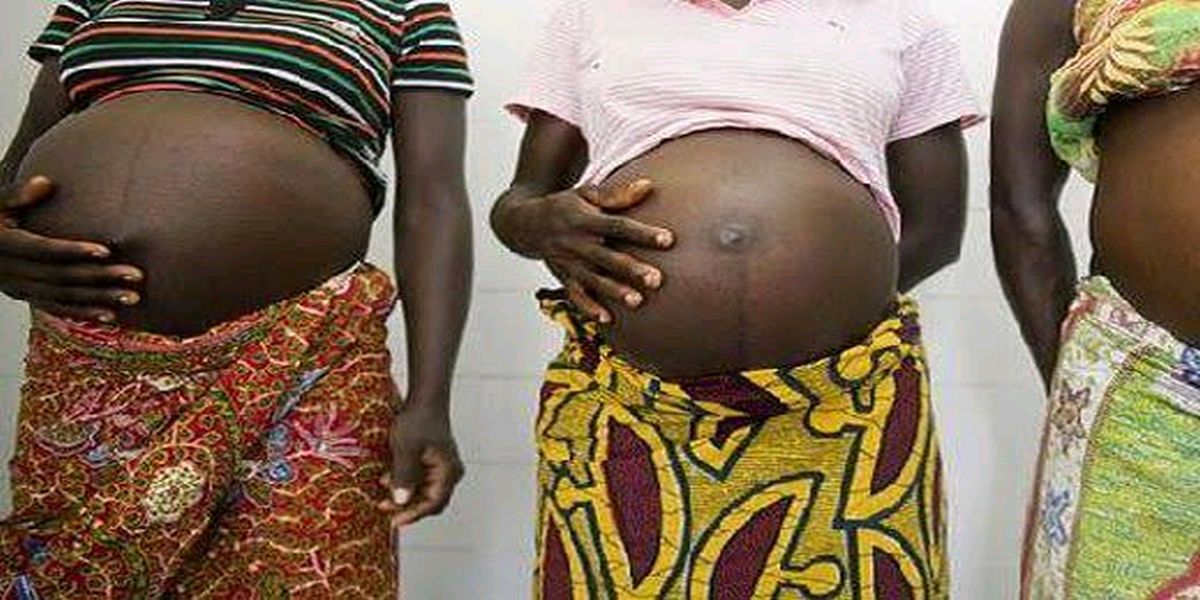
In many Nigerian homes, sex and reproductive health are topics people avoid. Parents often find it difficult to discuss them, and culture or religion sometimes makes the matter even more sensitive. Because of this silence, many young people are left to figure things out on their own. Sadly, the result has been more teenage pregnancies, unsafe abortions, and rising cases of sexually transmitted infections.
According to the 2023 Nigeria Demographic and Health Survey, 15 per cent of girls aged 15 to 19 had already started childbearing. The numbers were even higher in rural areas. Another report showed that only about one-third of adolescents in Nigeria have proper knowledge of sexual and reproductive health. This means many young people, especially those in villages, still lack access to the correct information.
To tackle the problem, the Federal Government introduced the Family Life and HIV Education (FLHE) curriculum more than ten years ago. This programme was developed with the support of the UN Population Fund and other partners. It is designed to teach children about puberty, peer pressure, relationships, HIV prevention, and how to make safe decisions.
These lessons are included in subjects like Social Studies, Basic Science, and Civic Education in schools. However, even with these efforts, teaching is not the same everywhere. Some schools and communities still refuse to teach topics like condom use, saying they go against cultural or religious beliefs. Religious leaders also share their views.
For example, Islamic scholars stress that parents and Islamic schools should guide children in ways that agree with Islamic values. On the Christian side, church leaders say the Bible already teaches morality, respect, and love, so churches should help prepare young people to make wise decisions.
Parents also have a vital role. Some, like Mrs. Monica Moru, start teaching their children early about their bodies and changes such as menstruation. Others, however, find it challenging to have these conversations. As a result, their children look for answers from teachers, nurses, or friends.
Some education experts in Nigeria believe schools provide a structured and professional way to deliver this education, but they insist that no single group can do it alone. Hence, parents, teachers, religious leaders, and health workers must all join hands.
If Nigeria wants to achieve its 2030 development goals, then sexual reproductive health education must be inclusive, age-appropriate, and culturally sensitive. Breaking the silence and giving young people correct information will help them live healthier lives and build a stronger future for the country.

Leave feedback about this