
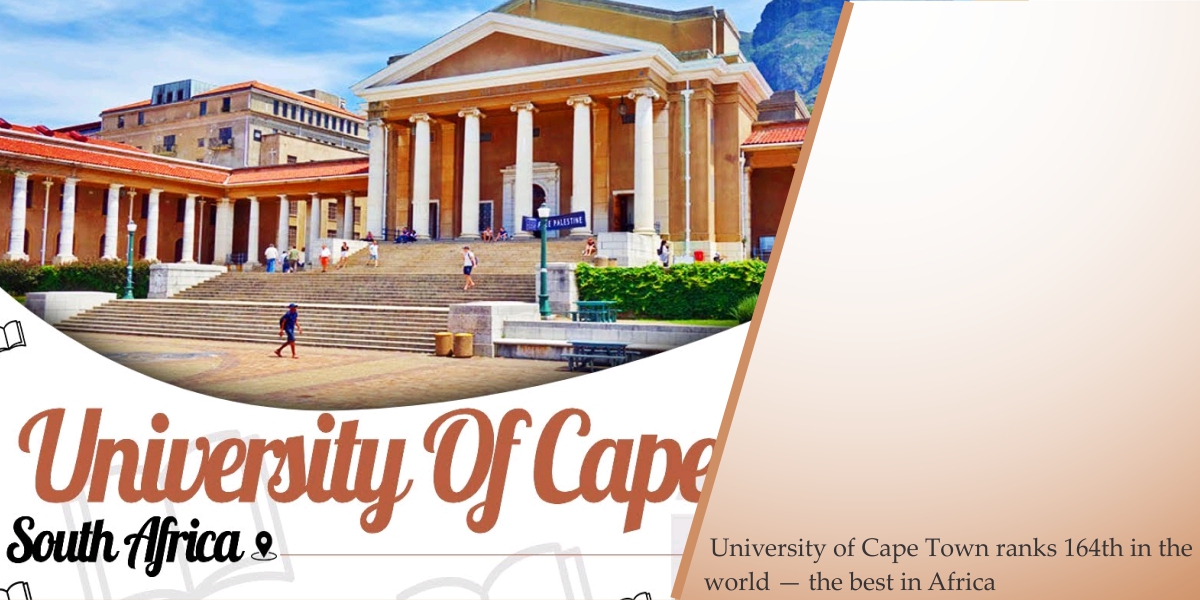
Nigeria may have taken the crown for having the most universities in the 2026 Times Higher Education Sub-Saharan Africa Rankings. However, when it comes to real performance, South Africa is still ahead. The University of Cape Town ranks 164th in the world — the best in Africa — while four other South African universities made it to the top 500. Nigeria’s leading schools, the University of Ibadan and the University of Lagos, only entered the world’s top 1,000 for the first time. This brings up a big question: What are South African universities doing better? Moreover, what can Nigeria learn from them?
Education experts say the difference lies in funding, leadership, and learning culture. South African universities receive more financial support from both the government and private donors. In 2023 alone, their government spent over R130 billion (around ₦3.2 trillion) on higher education, with a strong focus on research and innovation. In Nigeria, poor funding, decaying infrastructure, and constant strikes continue to hold universities back.
Dr Toyin Adeyinka, who studied International Law and Diplomacy at the University of Witwatersrand, told journalists that South African universities stand out because of their “good infrastructure, flexible courses, and modern teaching methods.” She explained that at Wits, “lecturers encourage students to speak up and think outside the box,” unlike in many Nigerian universities where “students are discouraged from exploring new ideas.”
Another key factor is autonomy. It is well known that South African universities have the freedom to make quick academic and administrative decisions, while Nigerian institutions are tightly controlled by agencies like the National Universities Commission (NUC). This undue regulation by the NUC and the Nigerian government often slows down progress and limits innovation.
Also, South African universities have a strong research culture. As a result, they attract foreign partnerships and publish influential research in global journals. The University of Cape Town, for instance, works with international institutions on climate change, medicine, and technology — areas where Nigerian universities are still playing catch-up.
Education consultant Dr Uche Udo believes Nigeria can close the gap “if our universities cut down bureaucracy, increase research funding, and reward hard work instead of politics.”
Nigeria’s growing presence in global rankings shows promise. However, without better funding, genuine autonomy, and a renewed focus on research, experts warn that the country will have more universities on paper, but few that truly compete globally.
As one educationist summed it up, “Nigeria has the brains, but South Africa created the environment to make them shine.”


Leave feedback about this