
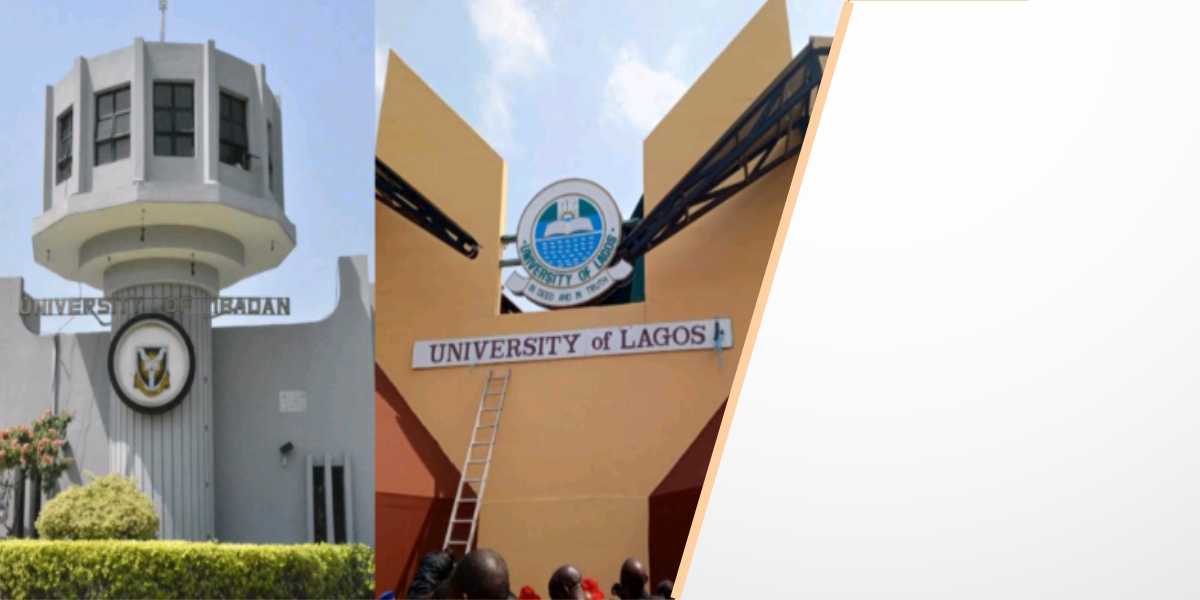
Nigerian universities appear to be gradually regaining the global spotlight after several days in obscurity. The 2026 Times Higher Education (THE) World University Rankings has placed the University of Ibadan (UI) and the University of Lagos (UNILAG) among the world’s top 1,000 universities, marking a significant comeback for Nigeria’s higher education sector.
However, that is not all. According to the THE Sub-Saharan Africa Insights 2026 Report, Nigeria now leads the region with 24 ranked universities, ahead of South Africa with 13. It is the clearest sign yet of a resurgence among Nigerian universities, resulting from many years of reforms, innovation, and resilience.
A Long Road to Recovery
It was not always this way. Years of strikes, poor funding, and brain drain almost crippled the system. “There was a time when we could not even attract visiting scholars. Now, our research collaborations with foreign institutions are growing again, Dr Tunde Akinola, a lecturer at the University of Ibadan (UI), said.
The turning point came as universities began to prioritise research visibility, international partnerships, and digital transformation. In recent years, UNILAG has made significant investments in research labs and online learning platforms, which have played an important role in advancing its global reputation. “We now have more faculty publishing in high-impact journals, and that is making a difference,” explained Professor Femi Bello, from the university’s Faculty of Science.
Celebrating a New Era
For many students, the recognition is both emotional and inspiring. “It feels good to say my university is globally ranked,” said Amina Yusuf, a postgraduate student at UNILAG. “We have always known the quality was here; now the world knows too.”
Private Universities Joining the Rise
Experts say the rise of private universities also played a significant role. With better infrastructure, flexible learning models, and less political interference, they have raised the bar for quality. Furthermore, institutions like Covenant University, Babcock, Bowen, Landmark, and Afe Babalola University have become benchmarks for discipline, technology adoption, and research culture.
Education consultant Dr Uche Udo believes that the success of these institutions has “pressured government-owned universities to reform and modernise.” He adds, “Competition from private universities is one of the best things to happen to Nigerian higher education.”
Africa’s Moment on the Global Stage
Across Sub-Saharan Africa, 55 universities from 14 countries made the 2026 list — the highest ever. THE’s Chief Global Affairs Officer, Phil Baty, described it as a “moment of celebration” for African higher education.
For Nigeria, this milestone is more than a ranking — it is a testament to resilience. After years of setbacks, the nation’s universities are proving that with reforms, leadership, and focus on quality research, they can once again stand tall among the world’s best.


Leave feedback about this