

When Phil Baty, Chief Global Affairs Officer at Times Higher Education (THE), said Africa now has “a great opportunity to drive innovation and development,” it sounded like a challenge to the continent’s leaders in education. For the first time, African universities are not just being counted, they are being noticed.
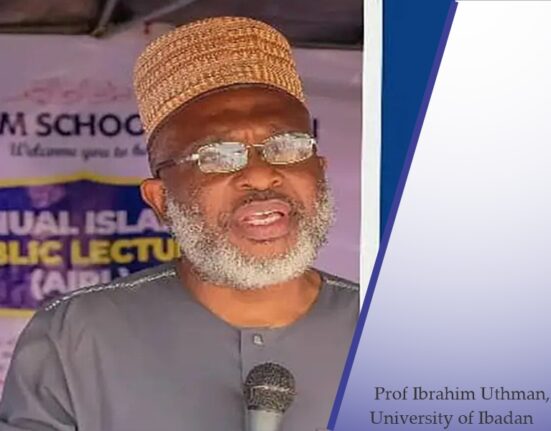
According to the 2026 Times Higher Education World University Rankings, Nigeria now leads Sub-Saharan Africa with 24 universities on the global list, ahead of South Africa’s 13. In total, 55 universities from 14 African countries made the ranking, a big jump from just 12 less than ten years ago. Top performers include the University of Cape Town (164th globally), the University of Johannesburg, Makerere University, the University of Cape Coast, and the University of Ibadan.
This progress shows that African universities are improving not only in numbers but also in quality. However, experts say the big question is whether Africa can use this moment to build world-class universities that can compete globally in research and innovation.
The Global Shift in Education
The world of higher education is changing fast. Some top universities in Asia, like Tsinghua University and the National University of Singapore, are slowing down in growth. In Europe and America, funding cuts and political issues are affecting research and quality. This global shake-up, experts say, opens a window for Africa to rise.
The African Union’s Year of Education 2024 campaign already pushed countries to focus on digital skills, innovation, and creative thinking. With Africa projected to have the world’s largest young population, the continent must prepare its students for a technology-driven future.
A New Kind of University
Education experts believe that for Africa to move forward, universities must become centres of innovation, not just certificate factories. The British Council in Nigeria has said that institutions must begin to train job creators, not job seekers. What this means is that the universities must do more in teaching entrepreneurship, promoting research, and connecting closely with industries.
Some Nigerian private universities, such as Covenant University, Afe Babalola University, and Babcock, are already taking giant steps with practical learning and a strong research culture. The government also needs to do more for public universities. Public universities also need more funding, better infrastructure, and freedom to make decisions that encourage innovation.
Looking Ahead
There are already useful tools to support the shift. For example, GPE’s Debt2Ed programme helps convert national debts into education funds. What Africa needs now is strong political will and consistent leadership.
Experts say that if the momentum is sustained, by 2030, African universities could become global leaders, dictating the pace in research, innovation, and talent development.




Leave feedback about this