
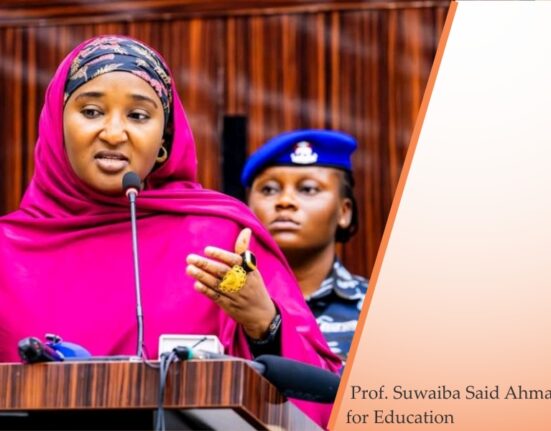
The Universal Basic Education Commission (UBEC) says it has made significant progress in improving access, quality and infrastructure in Nigeria’s basic education sector in just seven months under its Executive Secretary, Aisha Garba.
Garba, who joined UBEC in December 2024 after years at the World Bank, has introduced major reforms, overhauling the curriculum to include digital literacy, entrepreneurship and critical thinking, while rolling out the Teacher Professional Development Initiative, which has already trained more than 978,800 teachers.
In that short time, UBEC has built 4,951 new classrooms, renovated another 3,070, supplied over 353,000 pieces of school furniture and distributed more than six million textbooks, 420,000 library materials, and 158,000 Nigerian history books. One of the biggest game changers is the reform of the matching grant process, which, for years, made it difficult for states to access funds. Thanks to a more straightforward and more transparent system, 28 states and the FCT have now accessed N78.6 billion of the N120 billion allocated for 2024.
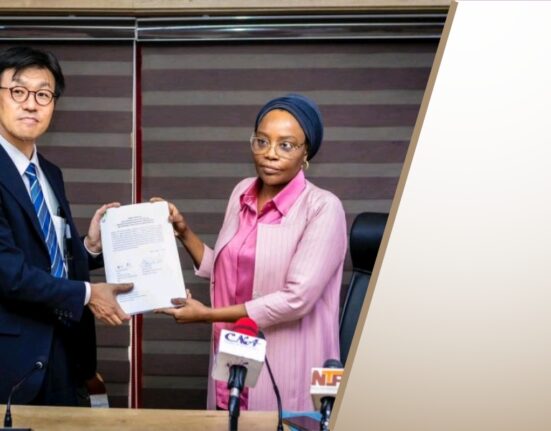
UBEC has also deepened partnerships with UNICEF, KOICA, the Islamic Development Bank, and the UK’s FCDO. At the same time, Garba has leveraged her global network to attract more funding for education.
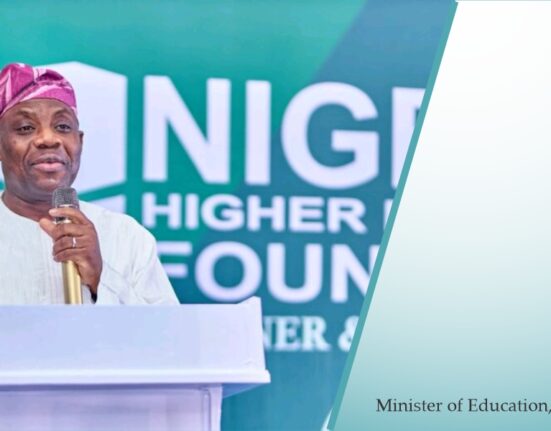
Although not without its critics, the reforms have received strong backing from the Minister of Education, Tunji Alausa, who says UBEC is finally delivering the quality education it was created to provide.

Leave feedback about this