
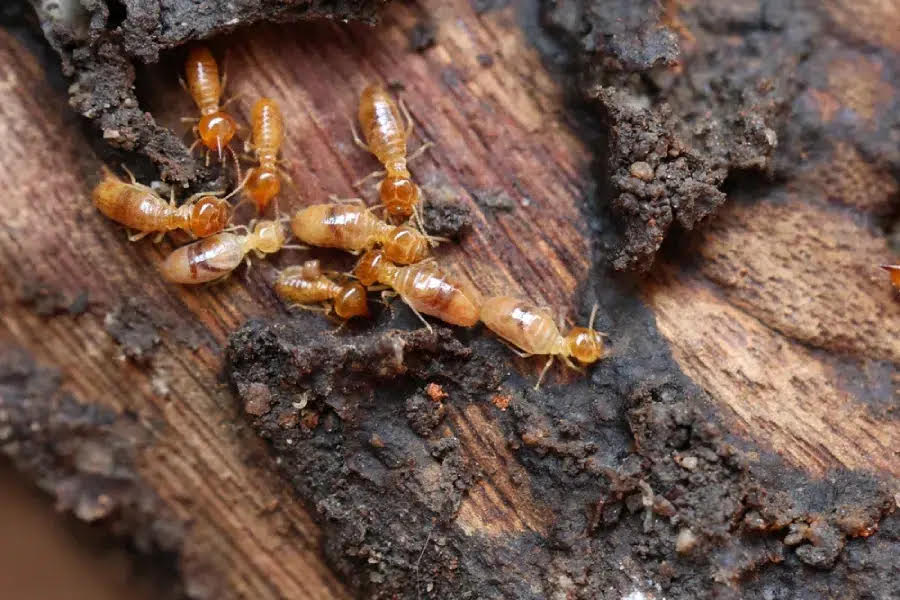
Charles Darwin University in Australia has revealed that termites, often seen as pests, could teach homebuilders how to design cooler and better-ventilated homes.
According to Lindy Burton, the university’s new Professor of Architecture, termite mounds in the Northern Territory naturally maintain their interiors at a cool temperature without requiring energy.
She says these structures are examples of how nature designs buildings that maintain airflow and reduce heat.
Professor Burton explains that good air circulation is key to helping people live comfortably inside buildings, especially in hot climates like the Northern Territory.
She believes architects and homebuilders should study termite mounds to find ways to reduce energy use and make homes healthier.
The university recently started its Bachelor of Architectural Design course, aiming to train architects who understand local climate, culture, and community needs.
Professor Burton hopes that more researchers will join her in exploring how nature’s designs can inspire new building techniques.
She points out that many buildings in the Northern Territory still rely on designs made for southern Australia, which do not work well in the tropical climate.
Utilising local knowledge, including that of Indigenous communities, is crucial for creating homes that suit the unique environment and lifestyle.
Before joining Charles Darwin University, Professor Burton worked on designing hospitals and laboratories, focusing on how buildings affect people’s well-being through lighting, air quality, and connection to nature.
Now, she wants her students to apply the same care when designing homes for the Northern Territory.
Leave feedback about this