
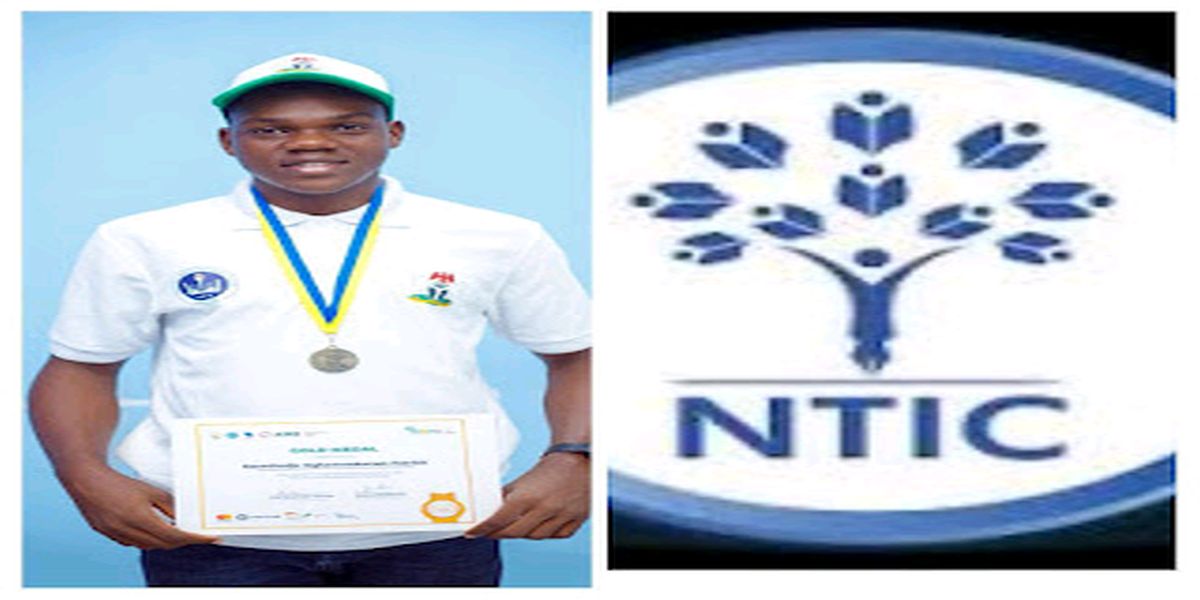
Every year in July, Nigeria sends some of its sharpest young minds to represent the country at the International Mathematical Olympiad (IMO). The global contest, now in its 65th year, brings together the best teenage problem solvers from different nations. In 2025, the stage is Australia.
However, after the medals are collected and the cameras go off, what happens to these math champions? Where do they end up years later?
A recent study that looked at more than 60 Nigerian IMO participants between 2006 and 2021 gives us some answers. The findings are both impressive and worrying. Many of these brilliant young Nigerians have built careers in some of the world’s biggest technology companies like Google, Microsoft, Amazon, and Bloomberg. Some are even working on advanced engineering and artificial intelligence projects.
The report, put together by AI scientist Dr. Wálé Akínfadérìn, shows a clear pattern. Most of the winners first pass through Nigeria’s National Mathematical Centre, then move on to scholarships in top universities abroad. From there, many find jobs in Silicon Valley and other tech hubs. About two-thirds of Nigeria’s Olympiad alumni are now living and working outside the country.
Around 60 per cent of them are in technology and engineering roles, while half of them have gone on to earn master’s or PhD degrees. Only about one-third of these students remain in Nigeria, with a small number choosing to lecture or work in academic roles.
This means while Nigeria continues to produce outstanding talents every year, other countries are the ones enjoying most of the economic value. Experts call it “brain drain” – the loss of skilled professionals to other nations.
However, the talent pipeline remains strong. Just two years ago, in 2023, Nigerian students like Esemitodje Oghenerukevwe Patrick and Uwakfon Nyon Jacob won gold medals both at the IMO in Japan and at the Pan-African Mathematics Olympiad. With records like this, it is almost sure they too will get offers from top global universities and tech companies.
The big question is: can Nigeria find a way to keep more of its champions at home? Until then, the story remains the same – Nigeria produces the brains, but the world reaps the benefits.

Leave feedback about this