
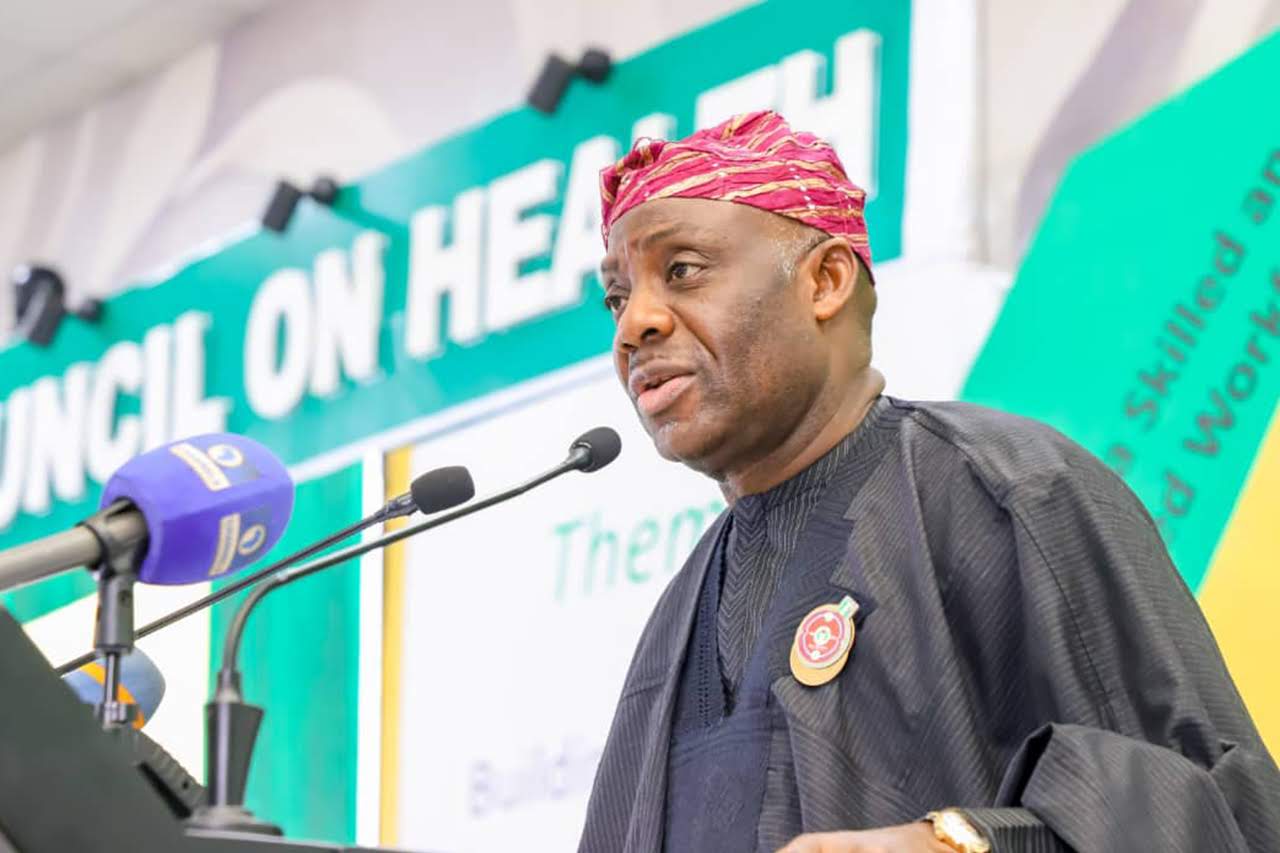
More than 150 federal universities, polytechnics, and mono-technics in Nigeria have openly disregarded a clear directive from the Federal Government to publish their annual budgets and other key financial details on their websites. Despite a May 31, 2025, deadline, only a handful of these institutions have complied with the order, raising questions about transparency, accountability, and potential hidden corruption in the nation’s higher education system.
In April 2025, the Federal Ministry of Education issued a directive asking all vice-chancellors, rectors, and provosts of federal tertiary institutions to publish key information online. This includes their Annual Budget Allocation, Research Grant Revenue, TETFund Allocation, Endowment Fund, and Total Student Population.
According to the Minister of Education, Dr. Tunji Alausa, the goal was simple: to promote transparency, accountability, and good governance in Nigerian higher institutions. “This is in line with global best practices,” he said.
The FG also appointed the Athena Centre for Policy and Leadership to monitor compliance. Nevertheless, so far, the results have been disappointing: only 32 of 64 universities, 10 of 41 polytechnics, and just 3 of 90 mono-techniques have followed the directive.
Transparency has long been a problem in Nigeria’s public universities. Over the years, various reports have linked several institutions to mismanagement of funds, ghost workers, inflated contracts, and even missing salaries.
For instance, in 2020, a federal audit uncovered billions of naira in unaccounted funds in some universities. In some cases, funds allocated for research and infrastructure were lost without a trace. However, very few administrators were punished.
A senior lecturer at a federal university who spoke anonymously told Sunday Punch, “Many schools do not want to publish their budgets because it will expose a lot. From inflated procurement to questionable allowances—everything will be out in the open.”
Although the directive originated from the Federal Ministry of Education, many observers argue that it lacks proper legal authority. While the FG has threatened to take “administrative action” against non-compliant schools, it is unclear what exact penalties will follow, or if they will be enforced at all.
“Unless there is a law that ties budget transparency to funding or accreditation, schools will continue to ignore the directive,” says education policy expert Dr Tunde Adepoju.
In many countries, especially in Europe and North America, universities are required by Law to publish detailed annual financial reports. These reports are not just for the government but also students, parents, and donors. For example, in the United States, all public universities are required to make their financial records publicly available as a condition for receiving federal funding.
Experts suggest a mix of rewards and sanctions. Institutions that comply could be given priority in TETFund grants, while those that do not should face funding cuts. The government can also collaborate with NGOs and civil society to encourage institutions to do the right thing.
Ultimately, if Nigerian universities genuinely want to earn the public’s trust, they must recognise that openness is not a threat; it is a duty.



Leave feedback about this