
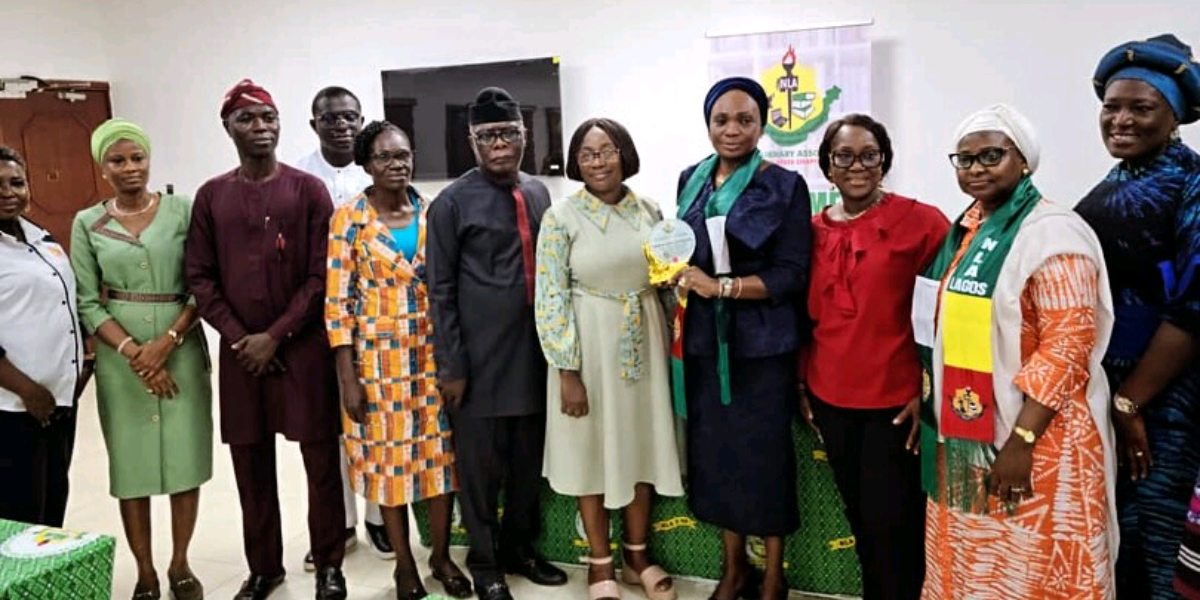
Participants at the 2025 Library Week organised by the Nigerian Library Association (NLA), Lagos Chapter
Nigeria may soon find itself unable to remember its own story. This was the sobering warning that echoed through the halls of the 2025 Library Week organised by the Nigerian Library Association (NLA), Lagos Chapter. For five days, librarians, archivists, scholars and cultural-heritage experts confronted a common fear: that the country’s cultural memory is slipping away because its archives are too weak to hold it.
The Permanent Secretary of the Lagos Cabinet Office, Mrs Toyin Ogunlana, set the tone in her presentation on “Libraries and Archives as Gateways to Intangible Cultural Heritage.” She reminded participants that Nigeria’s cultural practices, oral histories, indigenous knowledge systems and community memories cannot survive on sentiment alone. They must be documented, digitised and intentionally preserved. “We must embrace technology,” she insisted, warning that a nation that fails to record its past will struggle to claim its identity in the future.
Her words reflect a growing national crisis. Nigeria’s fading languages, disappearing customs and poorly kept records mean that many stories are at risk of vanishing as soon as the elders who carry them die. Hence, without strategic policies, investment and collaboration, the country risks an irreversible loss of identity.
At the Lagos seminar, hosted by the Lagos State Records and Archives Bureau (LASRAB), professionals explored ways to solve this crisis. The NLA Chairperson, Mrs Aisha Askira, urged families to reinforce heritage through everyday practices—food, attire, and language—while also pushing government agencies to scale up archival infrastructure. She praised LASRAB for opening its photo gallery, archives and newspaper morgue, showing just how much hidden history sits quietly on dusty shelves.
Panels throughout the week focused on the evolving role of librarians, who now serve as digital curators, community ethnographers, and guardians of cultural memory. They stressed that preserving heritage is no longer an academic task but a national emergency which requires legislation, funding and inter-agency collaboration.
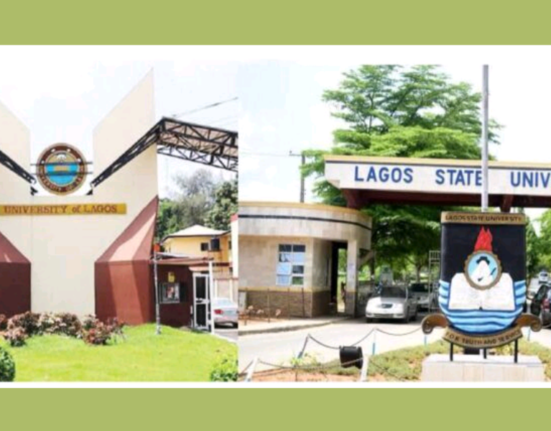
Dr Ekeh Motunrayo of Lagos State University deepened the conversation, linking heritage preservation to national unity. With over 250 ethnic groups, she said, libraries remain one of the few public spaces capable of promoting mutual understanding in a fast-changing, multicultural society.
As Library Week moved toward a cultural-heritage tour of Badagry, one message was unmistakable: Nigeria cannot afford to continue losing pieces of itself. Strengthening archives is not optional; it is a patriotic responsibility. A nation that forgets its past cannot meaningfully shape its future.


Leave feedback about this