
As the world marks World Mental Health Day, experts are calling for more attention to the mental health of people living with intellectual and Developmental Disabilities (IDD) — a group often left behind in conversations about health and inclusion. They say proper inclusive education must start with recognising the rights, feelings, and dreams of people with IDD.
Across the world, millions of people with IDD face learning difficulties and emotional struggles. A series of reports have shown that between 30 and 40 per cent of them live with some form of mental health issue, while 20 to 30 per cent deal with severe conditions like depression, anxiety, or schizophrenia. Sadly, many of these challenges are ignored. Families and teachers are quick to notice anger but fail to identify the deep emotional pain behind it.
Disability rights advocate Alok Kumar explained that ignorance and stigma remain the most significant barriers. “As long as families and teachers hold on to prejudice, people with IDD will continue to be seen as burdens instead of individuals with potential,” he said. Kumar added that people with IDD also need therapy, counselling, and medical care like everyone else, so that they can live with dignity and confidence.
Here in Nigeria, the Association for Intellectual and Developmental Disabilities of Nigeria (AIDDN) is working hard to change this narrative. With support from the Disability Rights Fund, the group recently organised a three-day stakeholders’ meeting to review and finalise a new National Policy for Persons with Intellectual and Developmental Disabilities. The meeting brought together government officials, civil society groups, and experts from different fields, all of whom called for better inclusion.
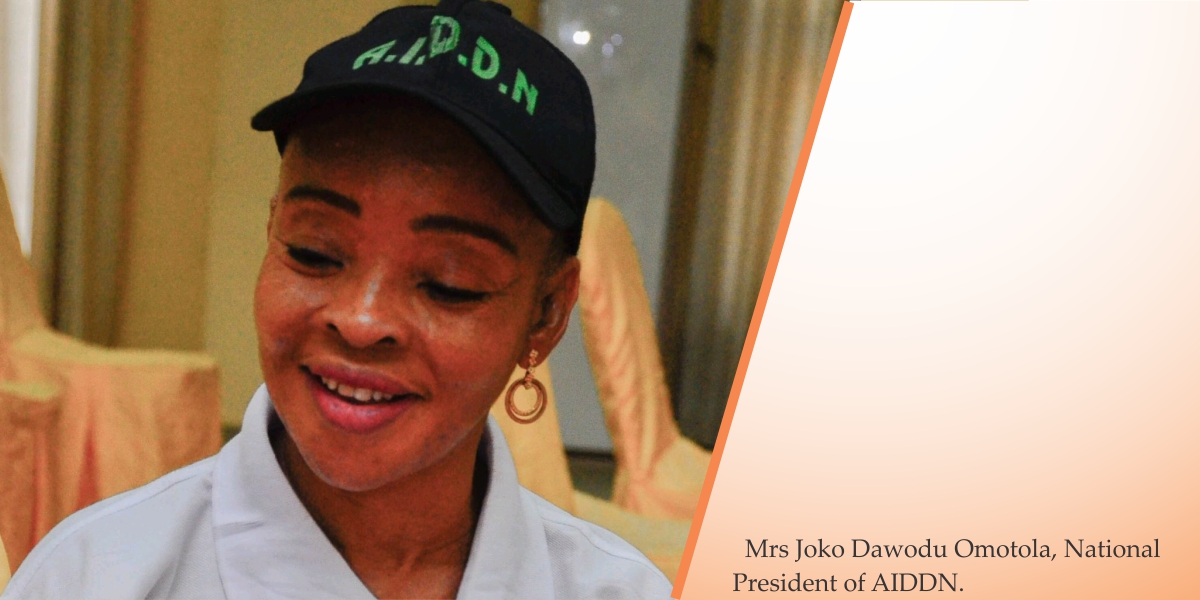
Speaking at the event, Mrs Omotola, AIDDN’s National President, said the policy would focus on key areas like education, healthcare, jobs, and social inclusion. “We must build a country where everyone can live and grow. Parents should not hide their children — they should speak up and seek help,” she urged.
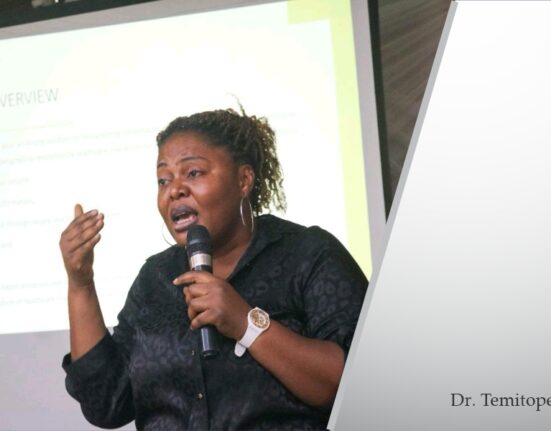
Also speaking, Dr Ogechi Nwokedi, Chairman of AIDDN’s Board of Trustees, said people with IDD have suffered neglect for too long. “We need everyone — doctors, teachers, parents, and government — to work together for their welfare,” she said.
Once approved, the new policy is expected to promote early intervention, mental health care, and inclusive education. As the world celebrates World Mental Health Day, the message is simple: everyone matters, and inclusion begins with understanding and compassion.

Leave feedback about this