

By Prosper Okoye
The 27th Nigerian University Games Association (NUGA) Games, held earlier this month at the University of Jos, will be remembered not only for the determination of the young athletes but also for the organisational lapses that at times threatened to overshadow their performances.
When contingents began arriving on 5 November, many feared the event might be postponed. The campus looked far from ready to host Nigeria’s largest student multi-sport festival. There were no welcome banners, the grass was overgrown, and painting and renovation work were still ongoing in hostels and at sporting venues.
Exhausted athletes and officials, some after journeys of more than 12 hours, wandered around searching for accreditation points and accommodation and protesting dentistry students at the university gate added to the atmosphere of confusion. It was, unmistakably, a chaotic arrival.


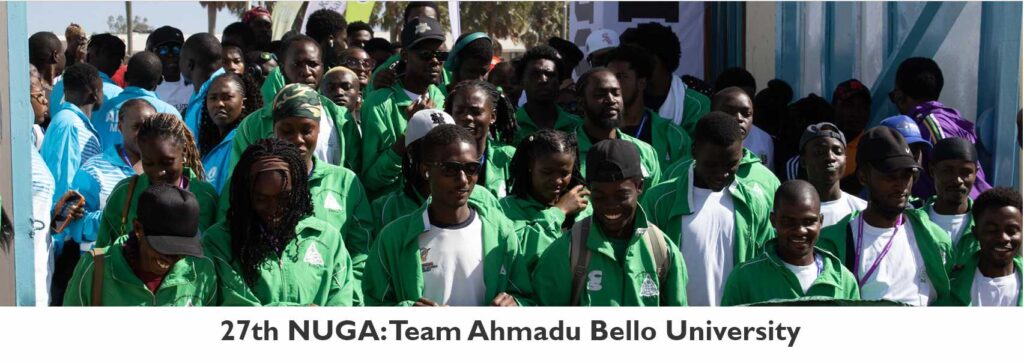
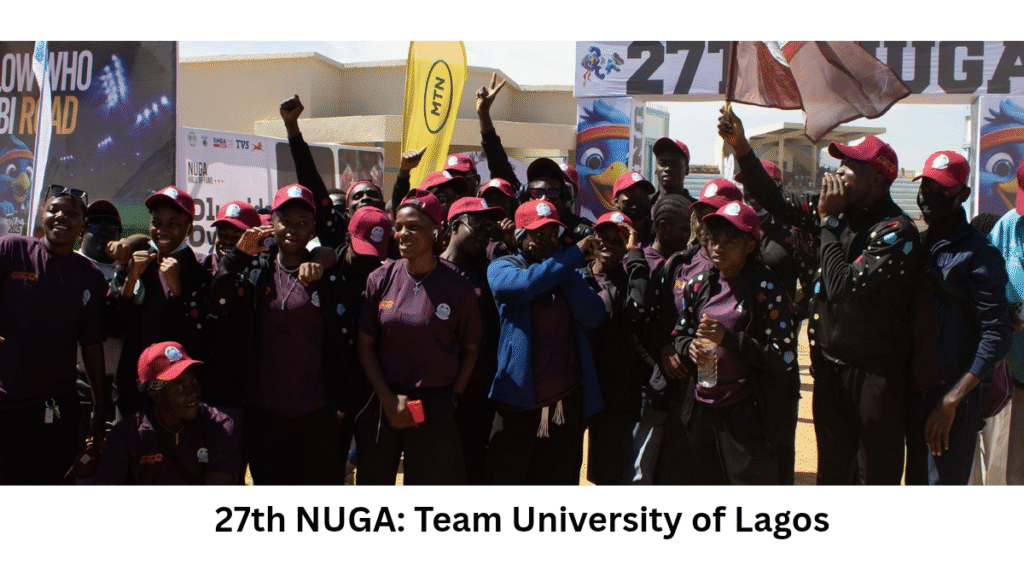
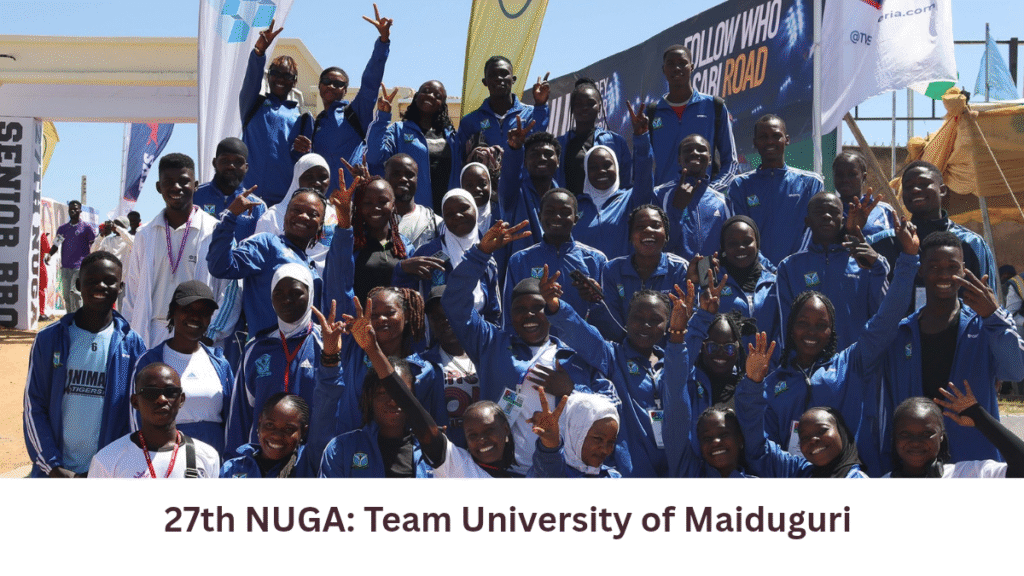
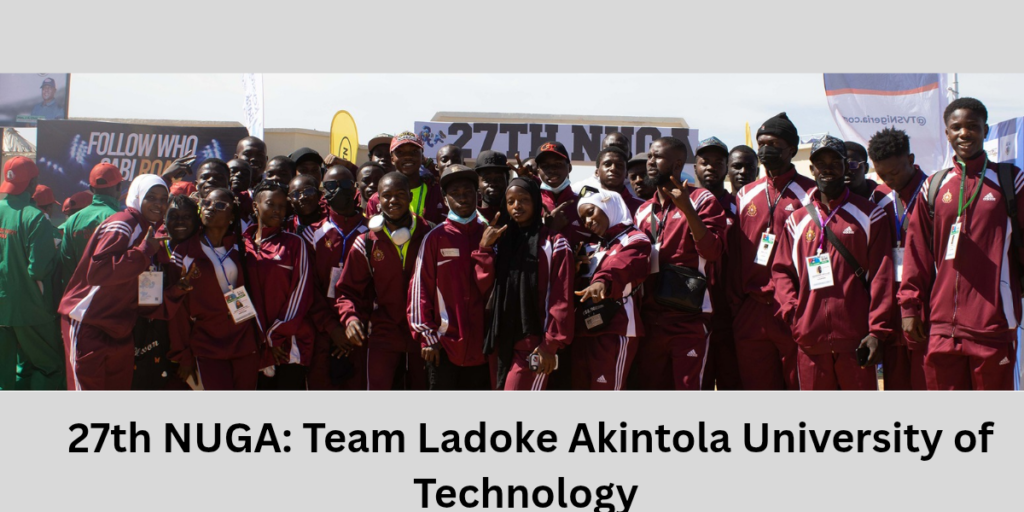
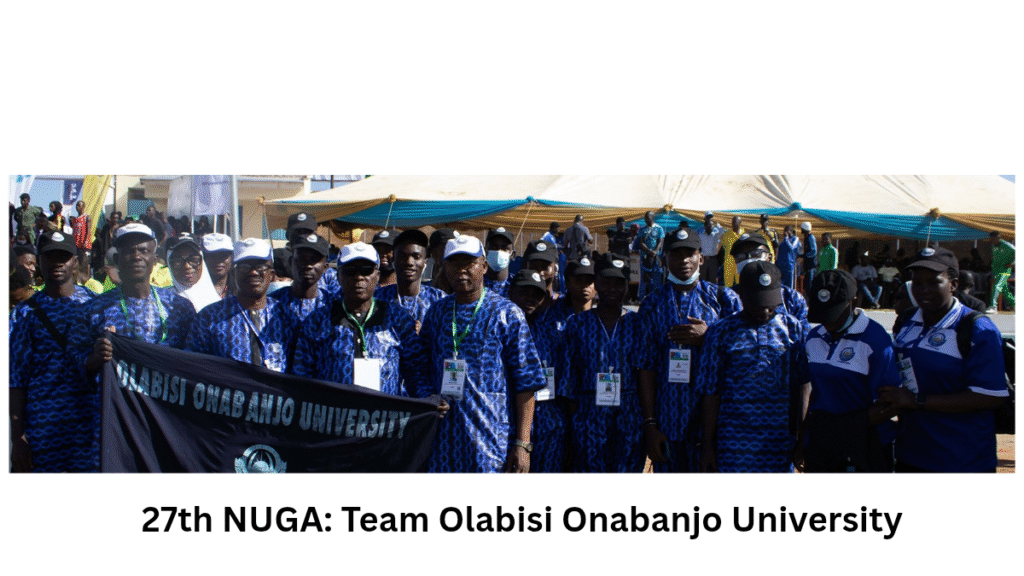
However, the Games went ahead — a testament to the resilience of students, coaches and, eventually, the organisers. About 74 universities participated, competing in 22 sports and 207 events. Moreover, despite the difficulties, there were moments of genuine sporting excellence, as well as a notable step forward in confronting one of Nigerian university sport’s most persistent problems: the use of “mercenaries”.
For the first time, a rigorous accreditation process appears to have been enforced without exception. Even the host institution, the University of Jos, was not spared when its women’s football team was disqualified in the semi-finals for fielding ineligible players. The team was barred from future editions and fined — a bold but necessary move. If NUGA is to remain a credible platform for identifying real student-athletes who can progress to national teams, eliminating impostors must remain non-negotiable.
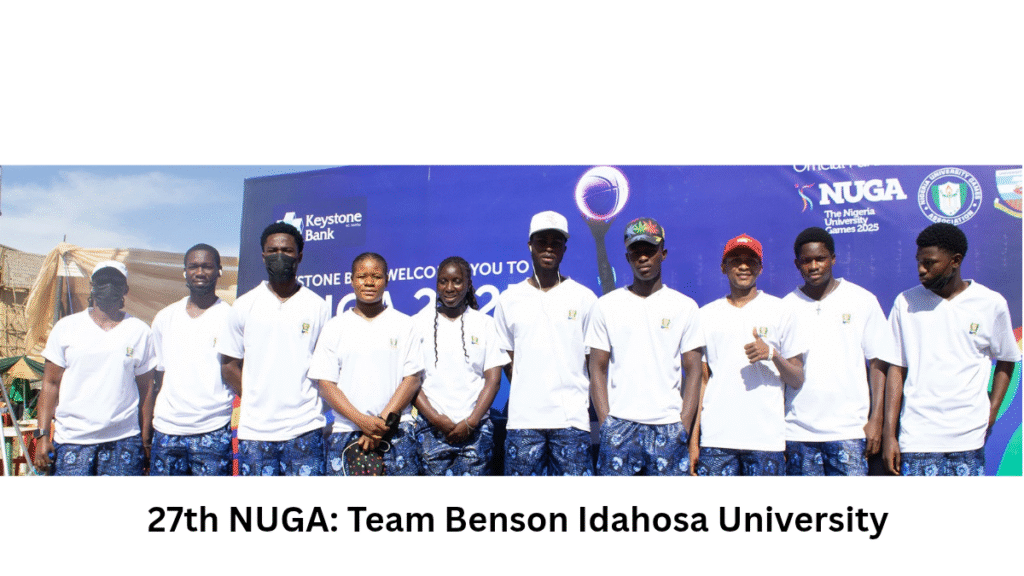
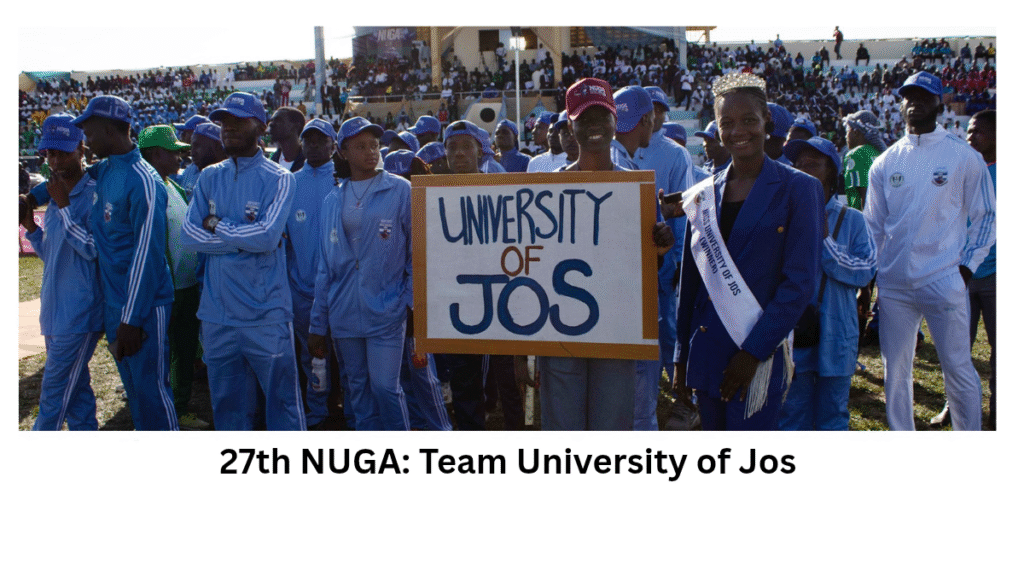
On the field, the standard of competition was often impressive. Events were fiercely contested yet primarily played in good spirit, and officiating was, for the most part, fair. Benson Idahosa University finished atop the medal table — the first time a private institution has achieved such a feat. Its founder, the late Bishop Idahosa, would no doubt be turning in his grave with joy.
The University of Jos followed in second place, with the University of Benin taking third. A total of 607 medals were won, though, disappointingly, none were presented at the closing ceremony.
It was also observed that some institutions took part in only a handful of events, allowing teams in those categories to win medals without real competition. For instance, Nile University reportedly competed solely in basketball and went on to claim the gold. While this achievement is commendable, it underscores a broader issue: universities should be encouraged to field teams across multiple sports.

NUGA should not be viewed merely as a medal chase, but as a developmental platform. Institutions do not need entirely professional teams before presenting athletes; participation itself helps nurture talent, build experience and strengthen university sport as a whole.
Still, the 27th NUGA Games exposed familiar weaknesses that future hosts, starting with the University of Calabar in 2026, must urgently address.
Facilities at the University of Jos were inadequate. Some venues were isolated, and the swimming competition was staged hundreds of kilometres away in Abuja, undermining the sense of unity the Games are expected to foster.
Accommodation also proved problematic: with insufficient on-campus rooms, several delegations were housed at far-off NYSC and Civil Defence camps. Promised transport often failed to appear, forcing officials to pay out of pocket. Some teams resorted to booking hotels at additional cost. Such logistical failures do more than inconvenience participants. They erode the camaraderie that has long defined NUGA.
It is worth noting the presence of several youth-friendly brands — including telecom giants MTN, Glo and Airtel, as well as Nestlé, Indomie, banks and other food and beverage companies. However, because the venues were scattered, many commercial stands recorded far less patronage than expected.
Perhaps most troubling were reports that unpaid allowances nearly forced the postponement of several finals, prompting officials to withhold results in protest. The issues were later resolved, but their emergence at all was unacceptable. Referees and technical officials dedicate their time and expertise — their welfare should never be an afterthought.
As Nigeria works to nurture the next generation of Olympians and international stars, NUGA remains an essential pipeline for developing talent. The experience in Jos highlighted both the depth of talent available and the substantial work required to build an environment worthy of that talent.
If the 28th Games in Calabar can deliver improved facilities, smoother logistics and rock-solid financial arrangements, NUGA can reclaim its place as one of Africa’s leading university sports events. The athletes deserve nothing less.




Leave feedback about this