
In today’s world, Science, Technology, Engineering, and Mathematics, popularly called STEM, have dominated the conversations. Whether it is in the universities, the workplace or among policymakers, the focus has always been on STEM, and little attention is given to other areas of learning.
Experts are beginning to worry that the humanities and arts are being forgotten. They have warned that if Nigeria continues to downplay arts and humanities, the country may end up raising young people who are good with machines but poor in human values, creativity, and morals.
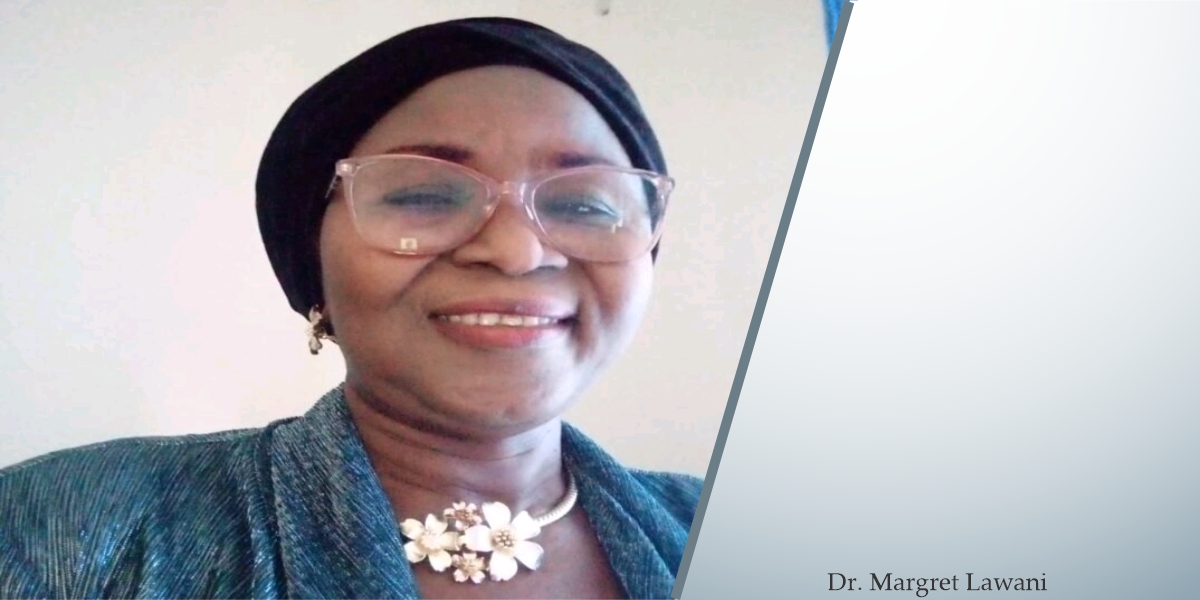
Nigeria’s education system is already facing significant challenges — from poor funding to old teaching methods. Now, it must find a balance between pushing for technology and protecting the human side of learning. “We need scientists who understand people, not just machines,” says Dr Margret Lawani, Acting Executive Secretary of the Nigerian Educational Research and Development Council (NERDC). “Technology should serve people, not control them.”
Experts say the arts help students learn how to think deeply, show empathy, and communicate better — skills that machines can never replace. “The humanities teach us how to be human,” said education consultant Rhoda Odigboh. “Even in this digital age, it is creativity and communication that make innovation valuable.”
Recent figures show that most Nigerian students now prefer STEM courses such as engineering, computer science, and medicine. But less than 5 per cent study the arts or humanities. Education stakeholders are worried and have warned that this could affect the nation’s culture and moral values in the long run.
Interestingly, technology itself is now helping the arts grow. From digital animation to online storytelling, Nigerian artists are using tech to express creativity in new ways. “The line between art and science is fading,” said Osinachi, a popular Lagos-based digital artist. “Today’s artist writes code like a programmer and dreams like a poet.”
Although former President Olusegun Obasanjo once described arts degrees as irrelevant, some academics disagree. “Every invention needs someone to explain and communicate it,” said Prof. Tunde Adebajo of the University of Lagos. “That is what the humanities do — they give meaning to progress.”
As Nigeria prepares its young people for the future, experts are calling for a balance — one that values both STEM and the arts. After all, what is a future without creativity, empathy, and ethics? Such a future may move fast, but it will lack soul.
As Dr Lawani put it, “The future belongs to those who can think deeply, feel compassionately, and create boldly — whether they are scientists or storytellers.”


Leave feedback about this