
Namibia’s bold promise of free university education from 2026 is drawing both applause and raised eyebrows, as experts question whether the country can truly afford the ambitious move.
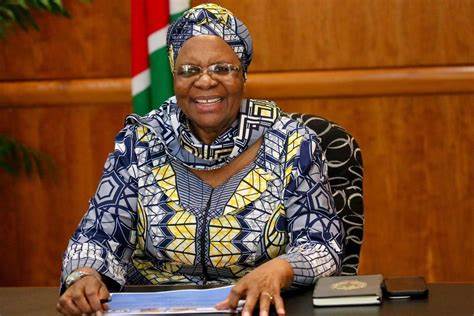
President Netumbo Nandi-Ndaitwah, who made history as Namibia’s first female leader, announced the plan during her maiden State of the Nation Address. She declared that students at all public universities and technical colleges would soon pay “no registration [or] tuition fees.” Yet, she admitted there would be no “significant” extra funding for the initiative.
While many students welcomed the news with cheers, some analysts are urging caution. Economist Tannen Groenewald warned that without fresh investment, universities might cap student admissions to manage stretched resources. “We must learn from South Africa’s #FeesMustFall movement, where promises of free education ended up benefiting only a small segment,” he told the Windhoek Observer.
Educationists, too, are concerned. Dr. Mavis Hamunyela, a former rector at a Namibian college, said that “policy without clear funding mechanisms risks collapsing the quality of education we are trying to expand.”
Budget experts have also noted the government’s tight fiscal space. “Relying solely on existing subsidies and student loan reallocations could create a dangerous shortfall,” said Isaac Amadhila, a Windhoek-based financial analyst.
Meanwhile, student groups like the Affirmative Repositioning Student Command (ARSC) have dismissed the announcement as political grandstanding, questioning whether it covers postgraduates and warning against excluding the so-called “missing middle.”
As Namibia gears up for the 2026 rollout, one thing is clear: free education sounds sweet, but if poorly managed, it could come at a cost the nation is not ready to pay.
News
Can Namibia Afford Free University Education? Experts Weigh In
Related Post

Leave feedback about this